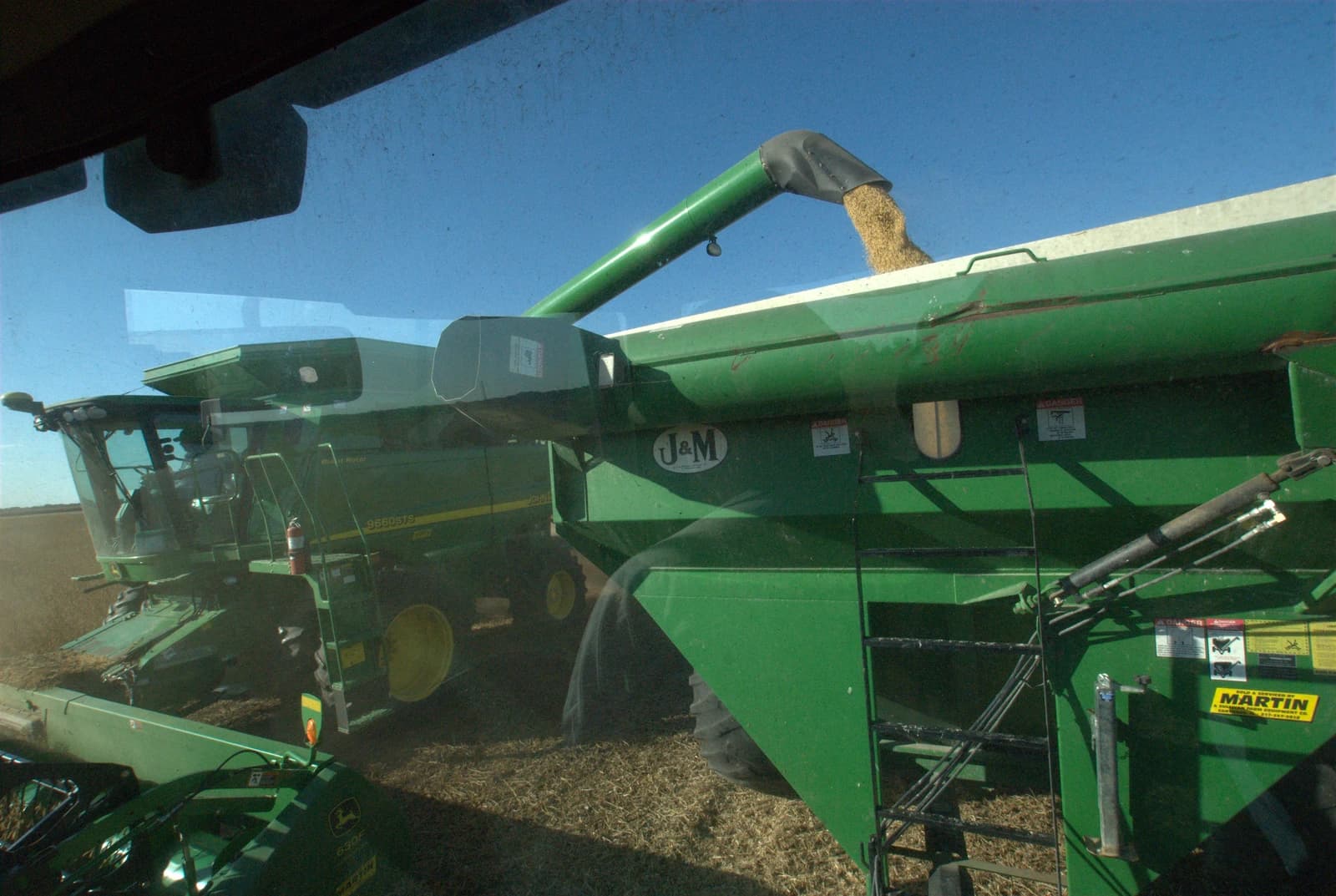
A violent storm that ripped through Tupanciretã, one of Rio Grande do Sul’s biggest soybean-producing areas, has added fresh weather risk to Brazil’s planting season just as the country was already on track for a record harvest.
Brazil soybean storm hits Tupanciretã planting
That matters because Brazil sits at the center of the global soybean market. Any damage in a major producing region can ripple through local supply, farm incomes and, eventually, export volumes. For investors, the key issue is not just the immediate destruction of homes, roofs, walls and commercial buildings, but the possibility that the crop itself — still early in development — could be hurt before farmers can fully assess the damage.
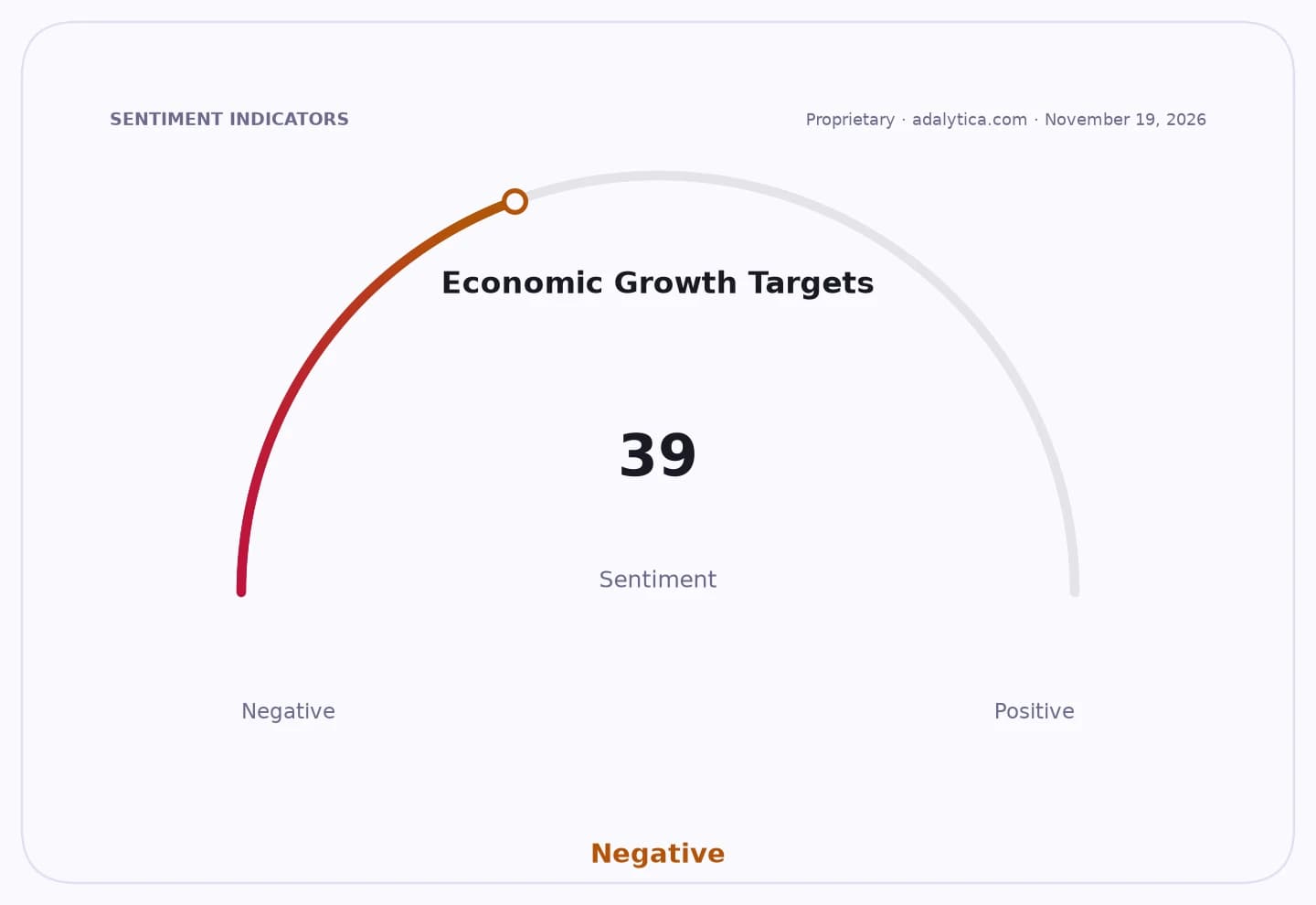
Sentiment Indicators
Local authorities said the scene in Tupanciretã looked like a “war scenario” after strong winds and hail tore through the municipality, with power outages and unstable internet compounding the disruption. Officials suspect a tornado may have passed through, though there is no official damage tally yet. The uncertainty is what markets hate most: producers do not yet know how much of the planted area was hit, and insurers, grain traders and input suppliers are also waiting for a clearer picture.
The timing is especially sensitive. Emater technician Gilberto Welzel said about 70% of the expected soybean area had already been planted, and roughly half of those fields had emerged. That means the crop was exposed, but not yet far enough along for anyone to say the impact is limited. Corn fields are also in development, and one family property between Tupanciretã and Cruz Alta reported a destroyed shed storing soybean seed, with the seed soaked and its usability still uncertain.
For long-term investors, this is a reminder that agricultural returns are built on a chain of weather, logistics and timing. Brazil’s soybean machine has powerful advantages — scale, export demand and a weaker local cost base when the dollar is strong — but it is still vulnerable to localized shocks. If the storm damaged more acreage than expected, it could trim yields in an area that helps anchor southern Brazil’s output, even if the national crop remains large.
That is important for the broader soybean trade too. Brazil has been counting on strong production to offset softer recent Chinese buying and shifting global flows. A bad weather event in a key state does not automatically change the global picture, but it can tighten supply at the margin, support basis levels locally and add another layer of uncertainty to already volatile grain prices.
For investors in agriculture, the takeaway is straightforward: weather setbacks like this usually do not change the long-term case for soybeans, but they can create short-term volatility and buying opportunities in the broader agricultural value chain. Keep an eye on damage assessments, planting progress and crop-condition updates in Rio Grande do Sul. For patient investors, the story is worth watching, not panicking over.
| Entity | Gains | Losses |
|---|---|---|
| Soybean sellers | ▲Potentially firmer local prices | ▼Smaller near-term supply |
| Farmers in Tupanciretã | ▲Possible crop insurance claims | ▼Damage to fields and infrastructure |
| Grain buyers/importers | ▲None | ▼Higher supply uncertainty |
| Agricultural equipment and seed suppliers | ▲Replanting demand | ▼Disrupted farm operations |