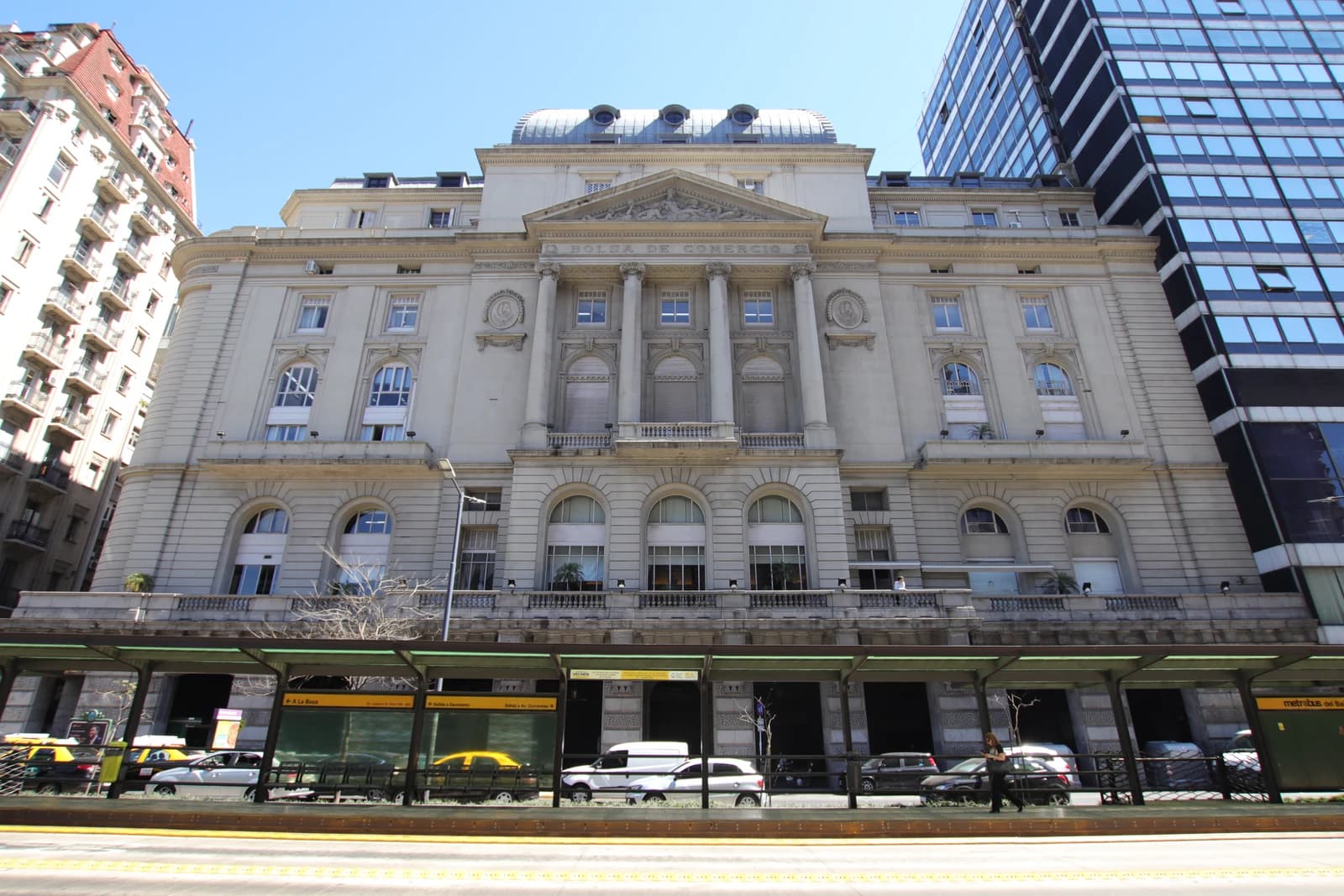
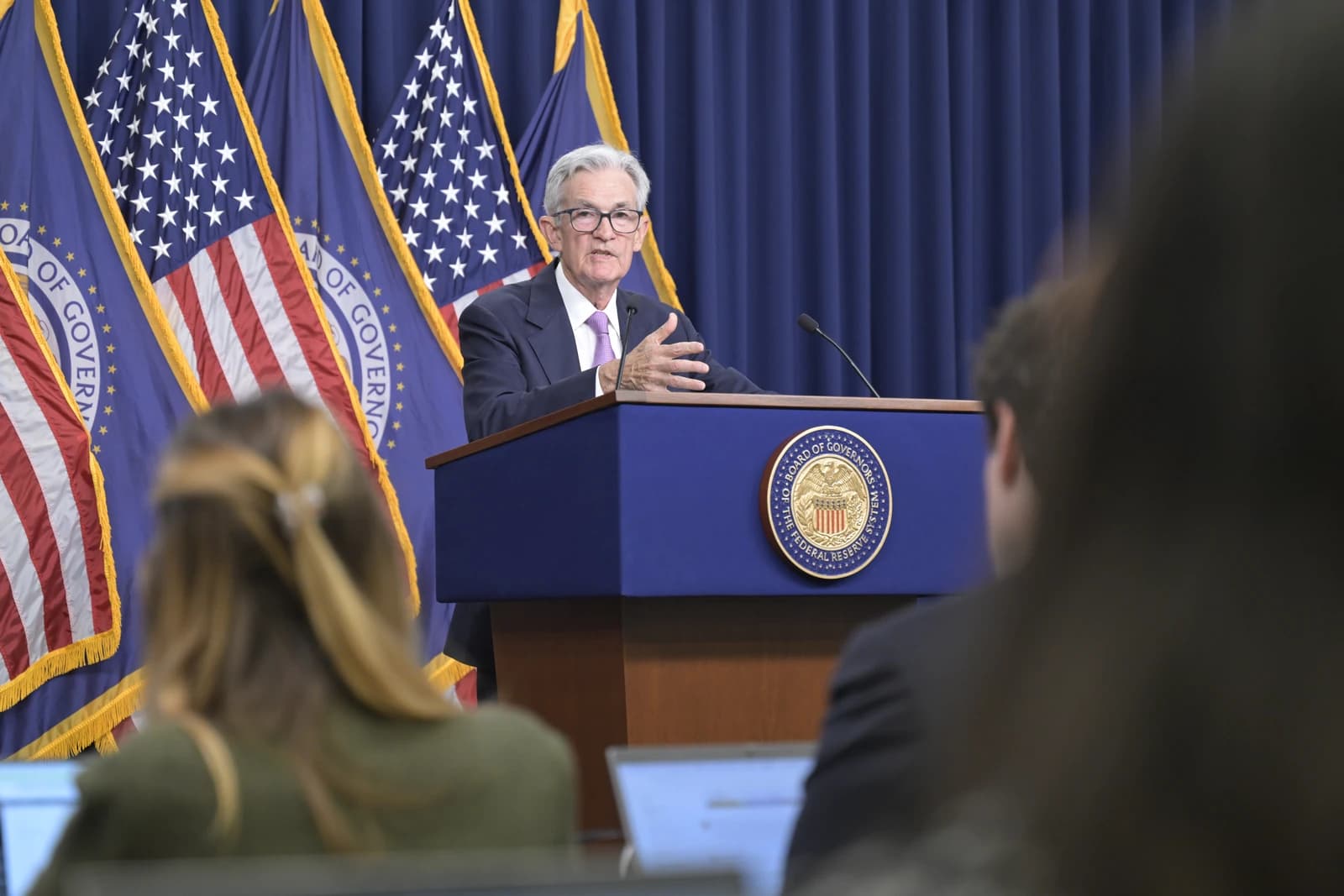
Brazilian inflation and the Federal Reserve’s preferred price gauge are about to do the heavy lifting for markets this week, and that matters because both releases could reshape expectations for interest rates, currencies and risk appetite at a time of thin holiday trading.
Brazil Inflation and U.S. PCE Watch Hits Markets

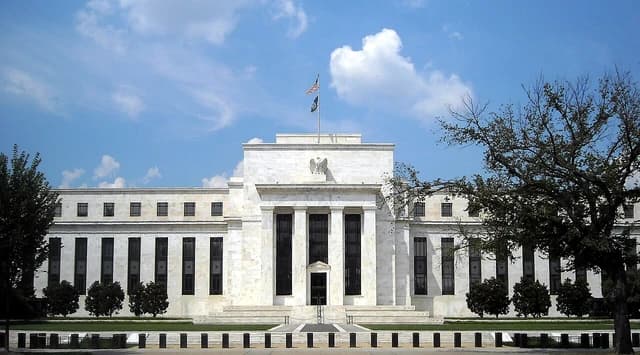
For investors, the key question is not just whether prices are cooling, but whether they are cooling fast enough to give central banks room to ease policy without reigniting inflation fears. In the United States, Wednesday’s personal consumption expenditures, or PCE, report is the main event. It arrives with the 10-year Treasury yield near 4.84%, and markets are already sensitive to any sign that disinflation has stalled. A hotter-than-expected reading would likely keep U.S. rates elevated for longer, support the dollar and pressure global assets that have benefited from hopes of easier policy.
Sentiment Indicators
That is especially important for Brazil. The Brazilian real has been under intense strain, with the currency recently touching a record low near 6 per dollar, and the country’s inflation outlook has been moving the wrong way. The latest context points to a weaker real, higher inflation expectations and a central bank trying to defend price stability while growth slows. Brazil’s exchange-traded fund EWZ has reflected that tension: it trades around 30.16 after falling sharply from above 42 in late October, while its 50-day and 200-day moving averages sit well above the current price, a sign of how hard sentiment has turned. Conventional technical indicators such as the RSI also show the fund recovering from deeply oversold conditions, but the broader trend remains fragile.
Brazil’s own inflation update, the IPCA-15, due on Thursday, will be watched closely for signs that imported price pressure is spreading further through the economy. That would matter not only for local borrowers and consumers, but for global investors deciding whether Brazilian assets are cheap enough to outweigh the currency risk. If inflation stays sticky, the case for high interest rates for longer gets stronger, even as the government faces a slower-growth backdrop and a weaker real that hurts household purchasing power.
US Dollar
The week is also being compressed by the U.S. Thanksgiving holiday, which reduces liquidity as American markets close Thursday and trade only a shortened session Friday. That lower volume can amplify moves if the PCE or Brazilian inflation data surprise. In that environment, even a modest miss can trigger an outsized reaction in the dollar, Treasuries, emerging-market currencies and equity funds tied to Brazil.
The bigger narrative is familiar: inflation is still the market’s master variable. If U.S. PCE comes in firm and Brazilian inflation proves sticky, investors may have to accept that central banks will stay restrictive for longer, which is usually bad news for long-duration assets, emerging markets and currency-sensitive sectors. If both readings come in softer, it could revive hopes for rate cuts and offer relief to beaten-down assets.
For long-term investors, this is a reminder that inflation data does more than move markets for a day or two. It shapes borrowing costs, currency trends and corporate margins for months. Brazil remains an interesting contrarian market, but only if inflation and the real stabilize. Until then, patience and diversification still beat trying to trade every headline.
| Entity | Gains | Losses |
|---|---|---|
| U.S. dollar | ▲Higher-for-longer rates | ▼Softer PCE |
| Brazil exporters | ▲Weak real boosts revenue | ▼Stronger real |
| Brazilian consumers | ▲Lower inflation eases costs | ▼Sticky inflation |
| EWZ investors | ▲Relief if data cools prices | ▼More downside if inflation stays hot |