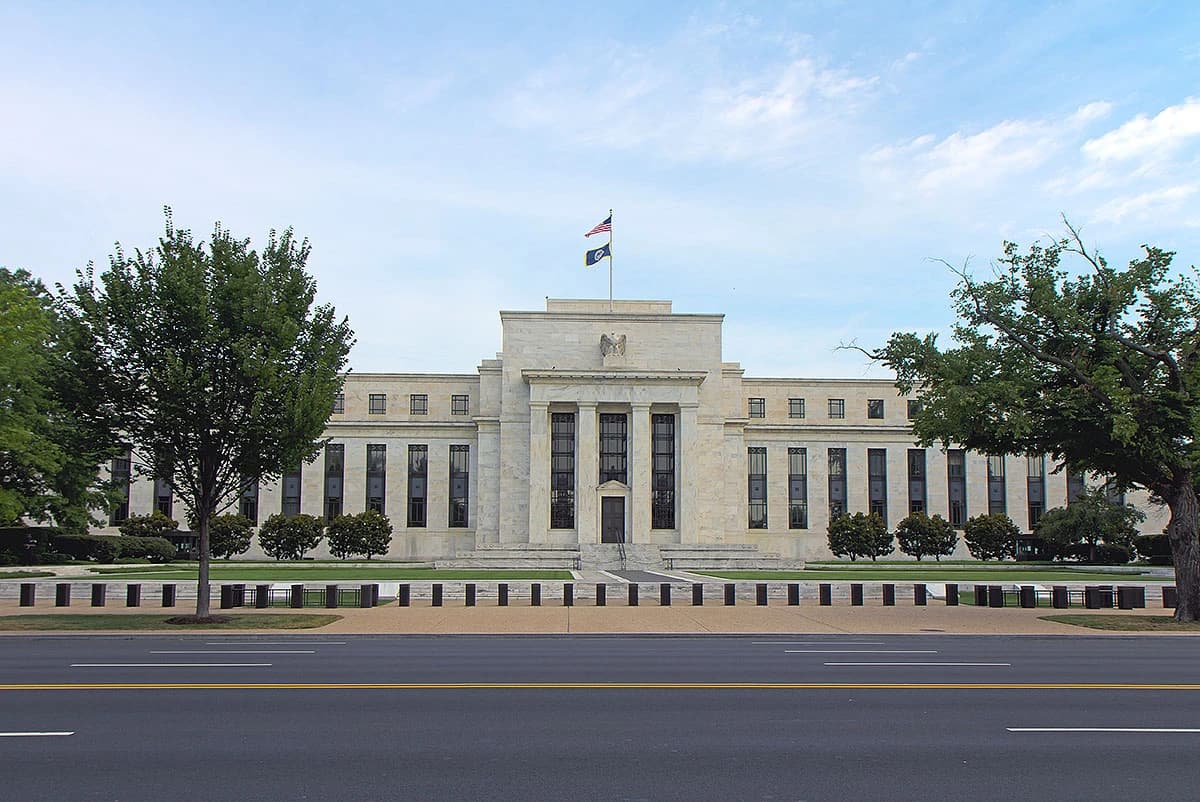
The U.S. dollar is holding its recent upward momentum, with traders still pricing in further Federal Reserve tightening as sticky inflation and resilient labor data keep the greenback supported.
U.S. Dollar Holds Near Recent Highs
The dollar index was last quoted at 103.84, after extending its November advance to the highest level since April 2025, while Vietnam’s State Bank kept its central USD/VND rate unchanged at 25,659 dong. The move comes as investors continue to lean on the view that U.S. rates will stay higher for longer, a backdrop that tends to lift the dollar and tighten financial conditions globally.
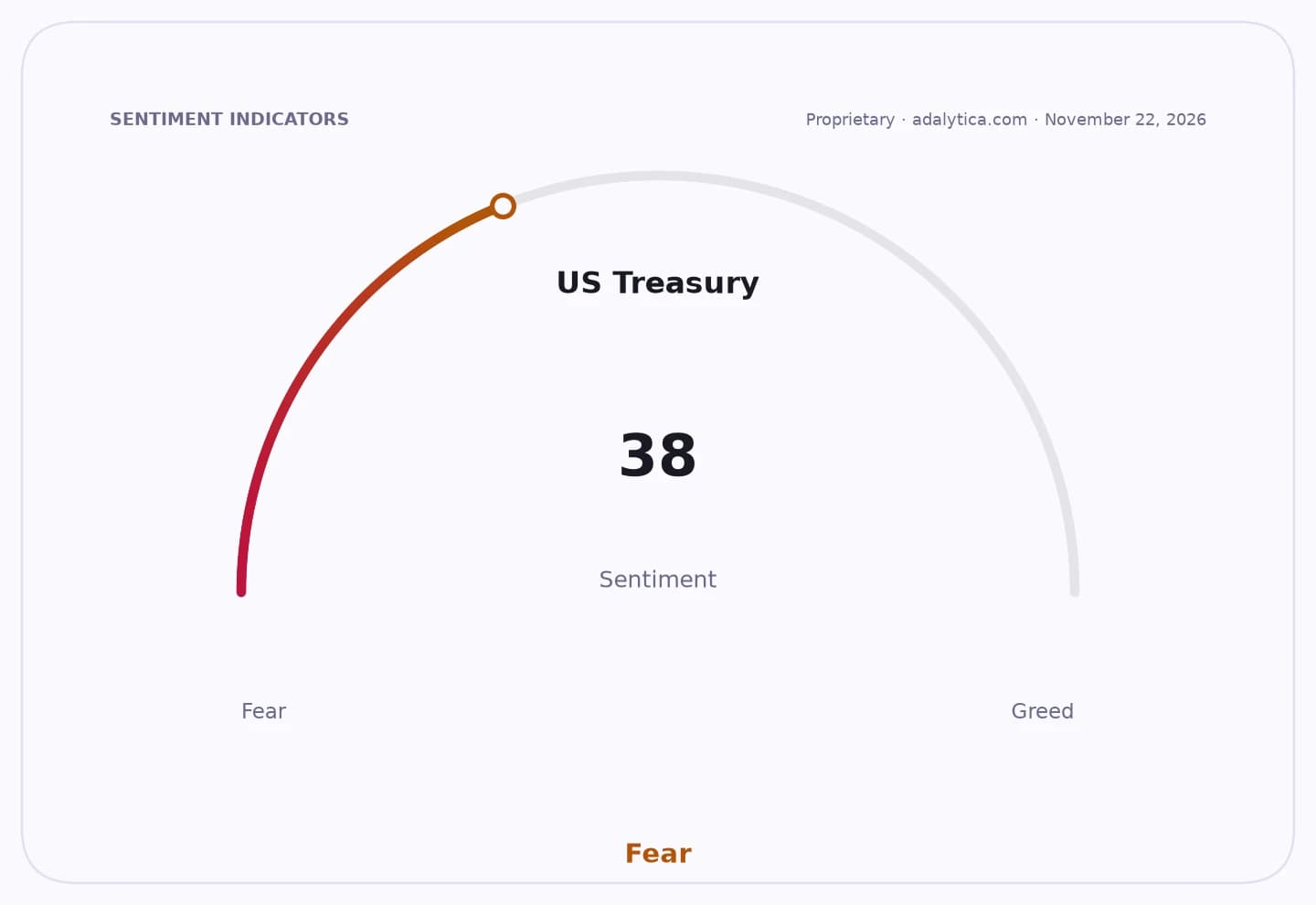
Sentiment Indicators
FX Vol Index
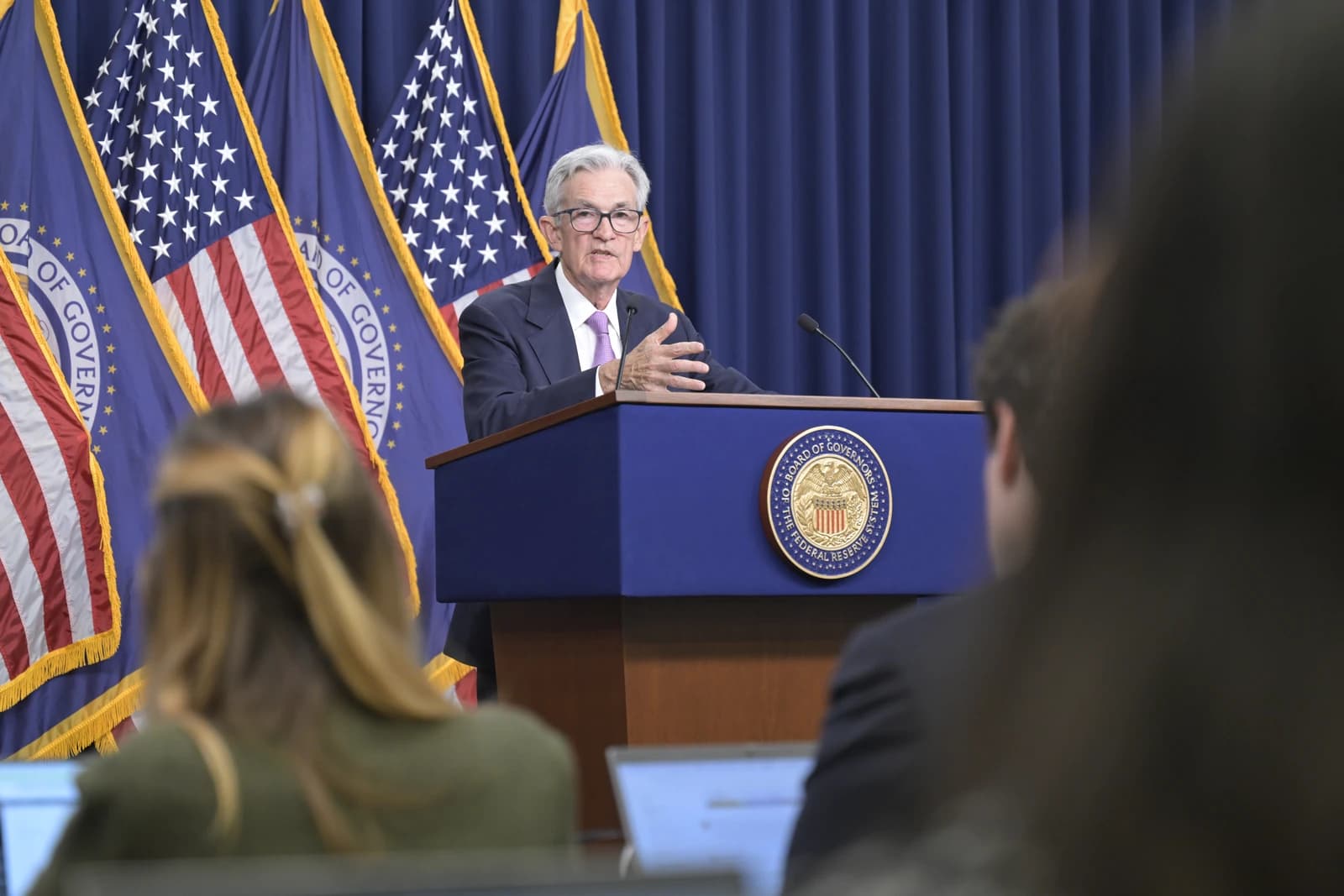
Recent U.S. data have reinforced that view. October nonfarm payrolls showed the labor market still holding up, consumer inflation came in above forecasts and several Fed officials have kept a hawkish tone, pushing markets to nearly fully price a 25-basis-point rate increase at the Dec. 8-9 meeting. A larger 50-basis-point move is seen as a roughly 10% probability, underscoring how firmly the market now expects the Fed to keep pressure on inflation.
That strength matters well beyond currency desks. A stronger dollar typically weighs on emerging-market currencies, raises the local-currency cost of imported goods and debt service, and can feed tighter conditions across trade and capital flows. In Vietnam, where the central rate held steady, a firm dollar can add pressure to importers and borrowers with dollar liabilities even as it helps contain abrupt FX volatility.
For investors, the immediate focus is whether this dollar rally can extend or whether it is due for a pause after several straight weeks of gains. This week’s U.S. PMI readings, the second estimate of third-quarter GDP and October PCE inflation will be the key tests: stronger growth and sticky prices would strengthen the case for more Fed tightening and another leg higher in the dollar, while softer data could trigger a pullback.
Technical signals also point to a stretched but still constructive trend. The UUP dollar ETF closed at 29.78 on Nov. 23, above its 50-day moving average of 28.99 and 200-day average of 28.11, with RSI at 78.1, a level that typically suggests the rally is extended. Adalytica’s U.S. dollar trade signals also show the greenback in “Extreme Fear,” reflecting a sharply weaker 30-day sentiment reading even as the trend gauge remains positive.
The near-term narrative is straightforward: as long as U.S. data keep inflation concerns alive and the Fed stays hawkish, the dollar should remain bid. But after a rapid run-up, even a strong dollar now looks vulnerable to a sharper correction if this week’s numbers hint at slower growth or easing price pressures.
| Entity | Gains | Losses |
|---|---|---|
| U.S. dollar | ▲Higher yield support | ▼FX-sensitive borrowers |
| Federal Reserve hawks | ▲Stronger case for tightening | ▼Doves seeking pause |
| U.S. importers | ▲Cheaper foreign inputs | ▼Exporters facing stronger dollar |
| Emerging-market currencies | ▲Short-term stability if dollar pauses | ▼Further depreciation pressure |