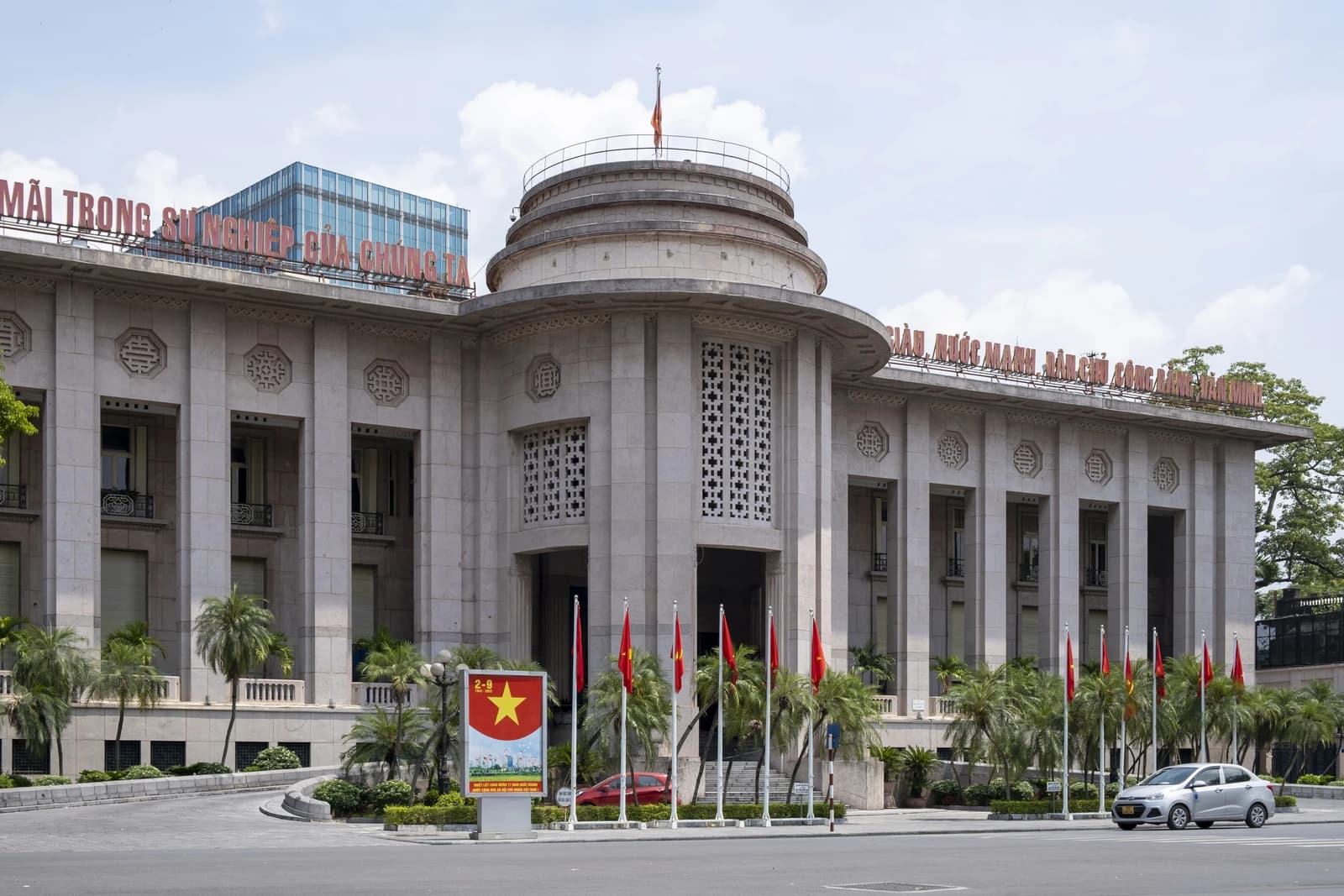
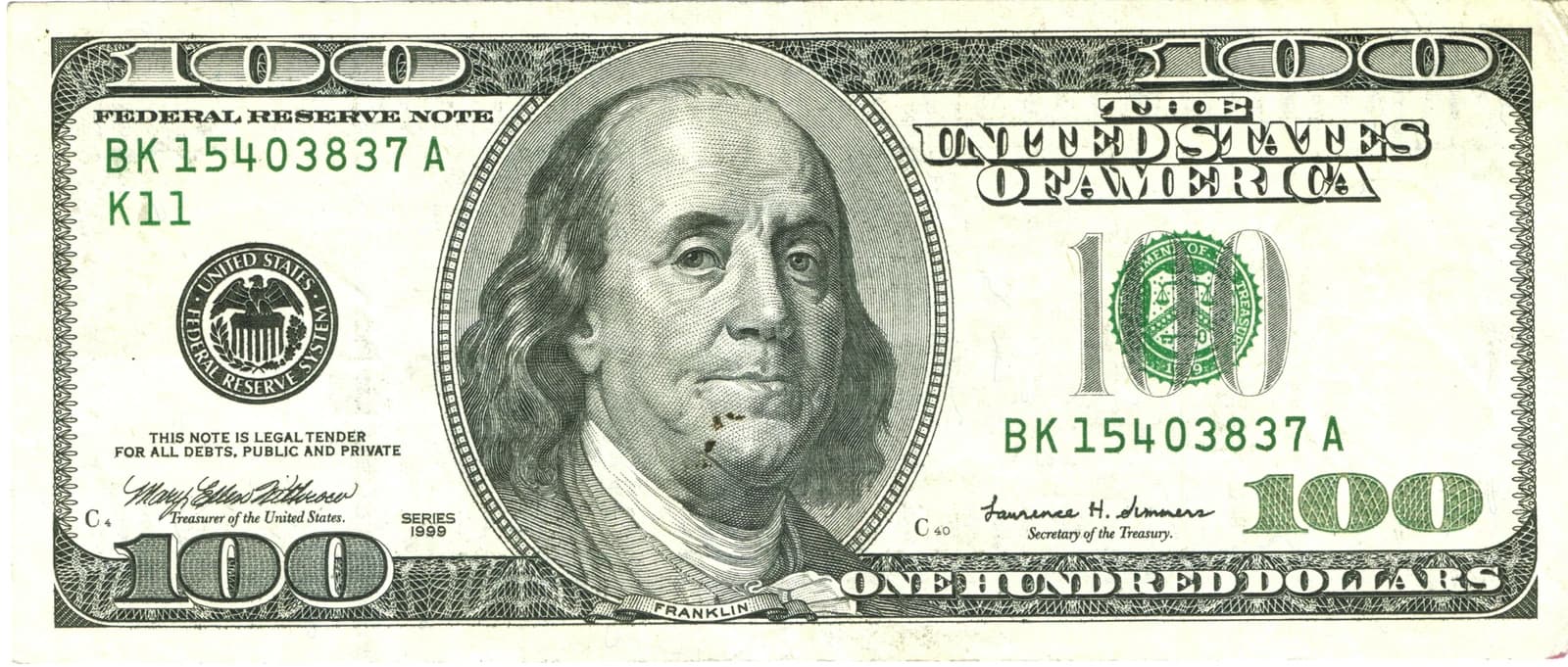
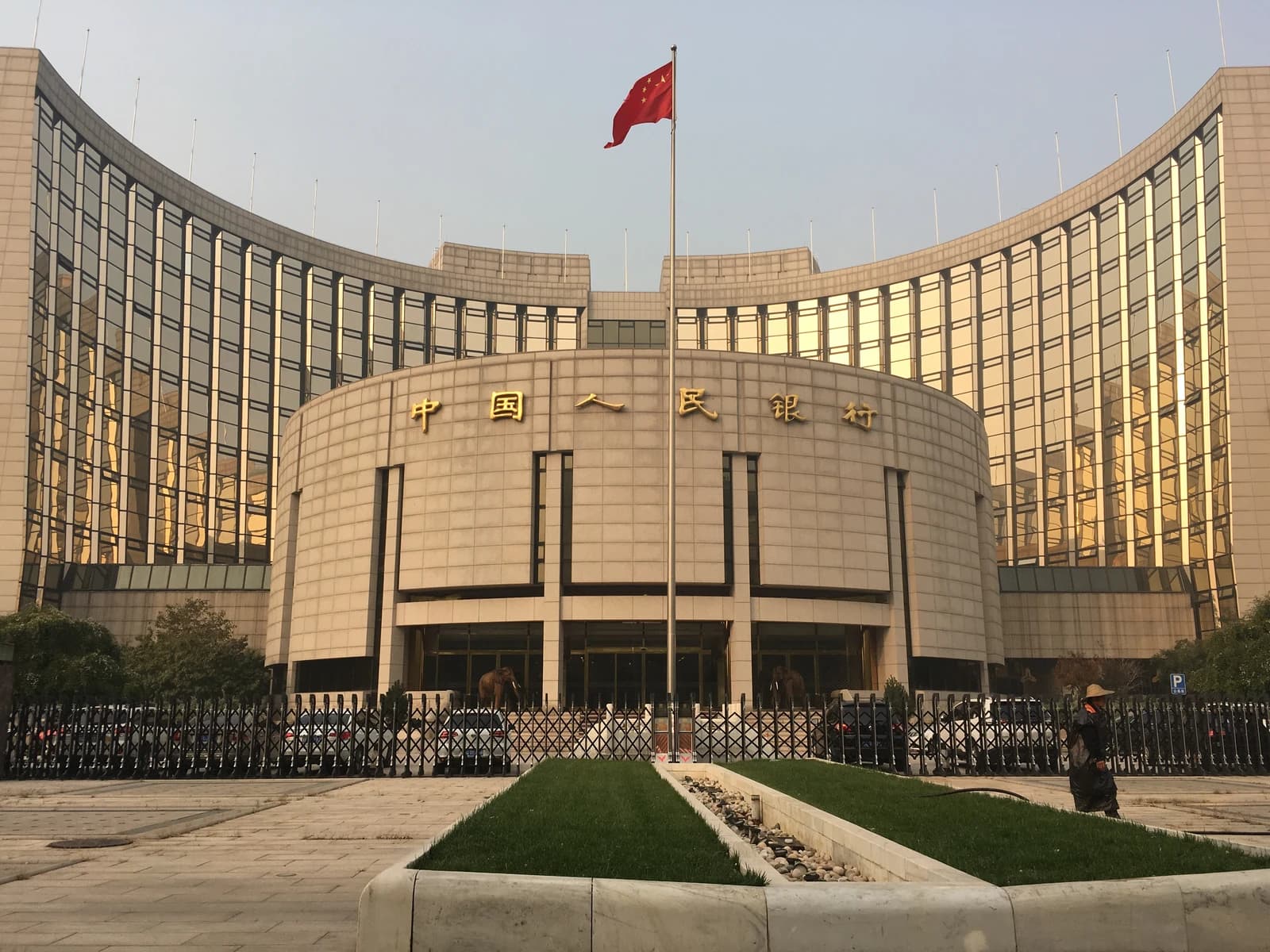
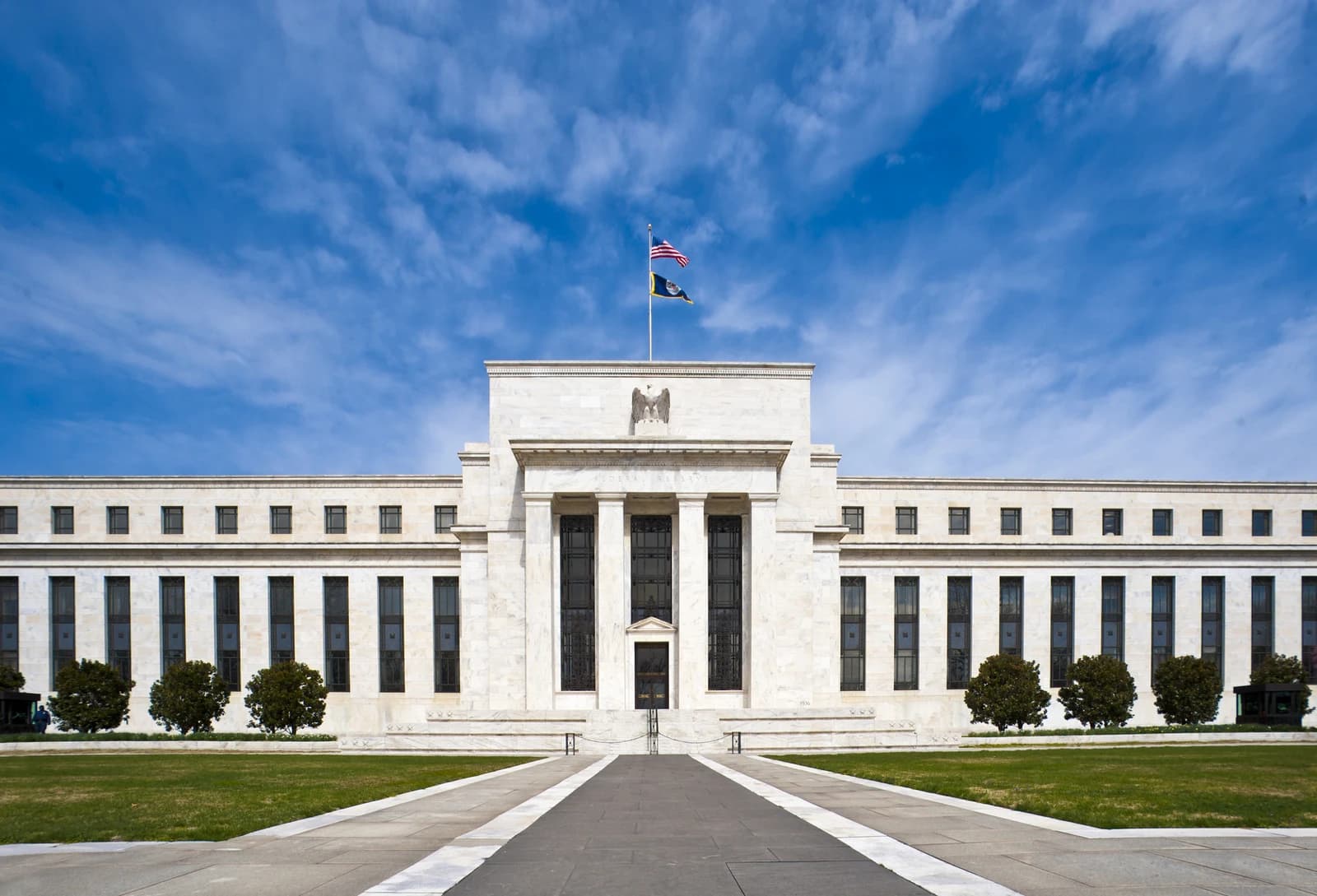
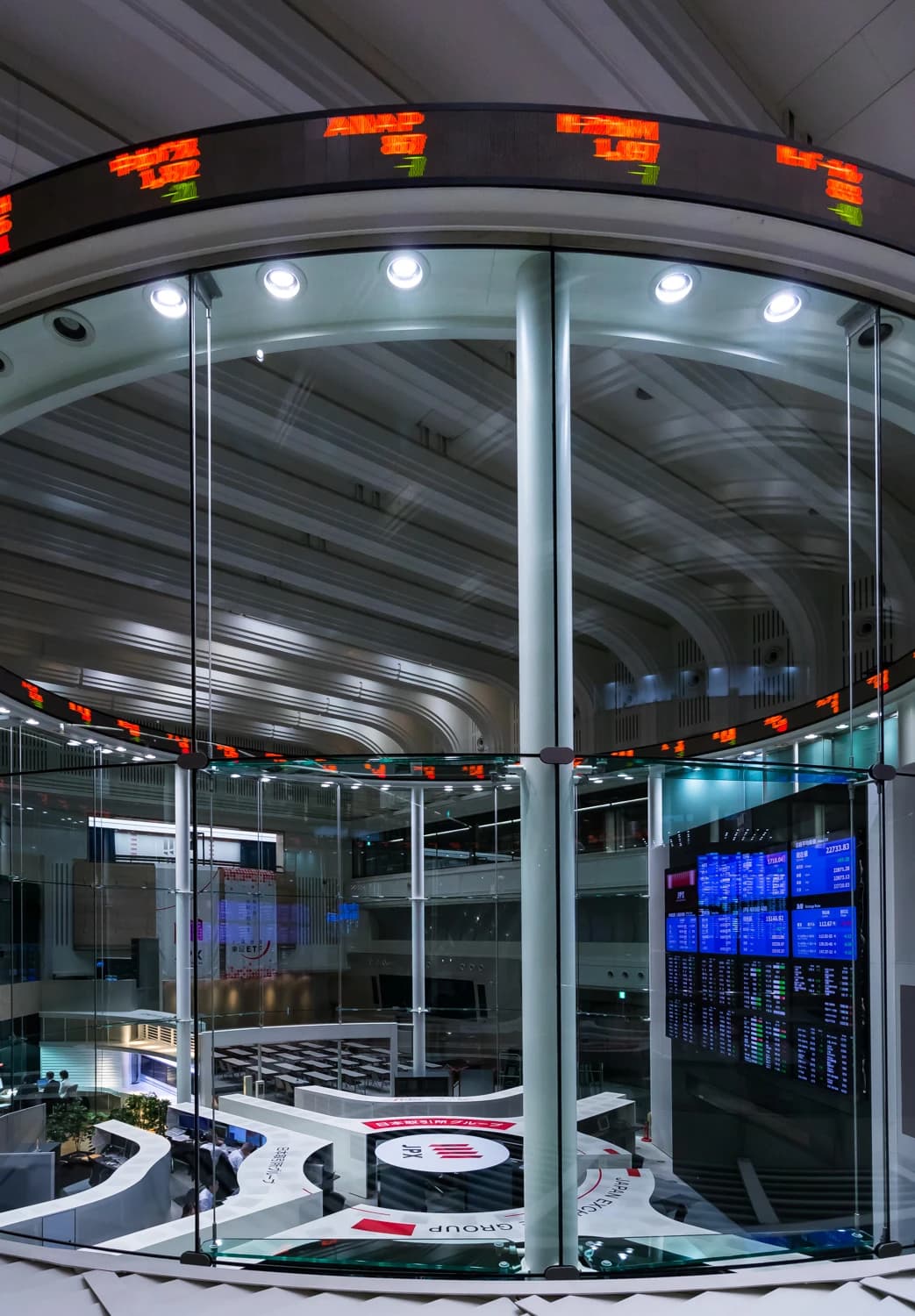
The State Bank of Vietnam lifted its central USD/VND reference rate by 13 dong to 25,659 on Nov. 21 even as the dollar edged lower globally, underscoring how local currency settings are still being pulled by a strong greenback and shifting expectations for Federal Reserve policy.
Vietnam Central Bank Raises USD/VND Reference Rate
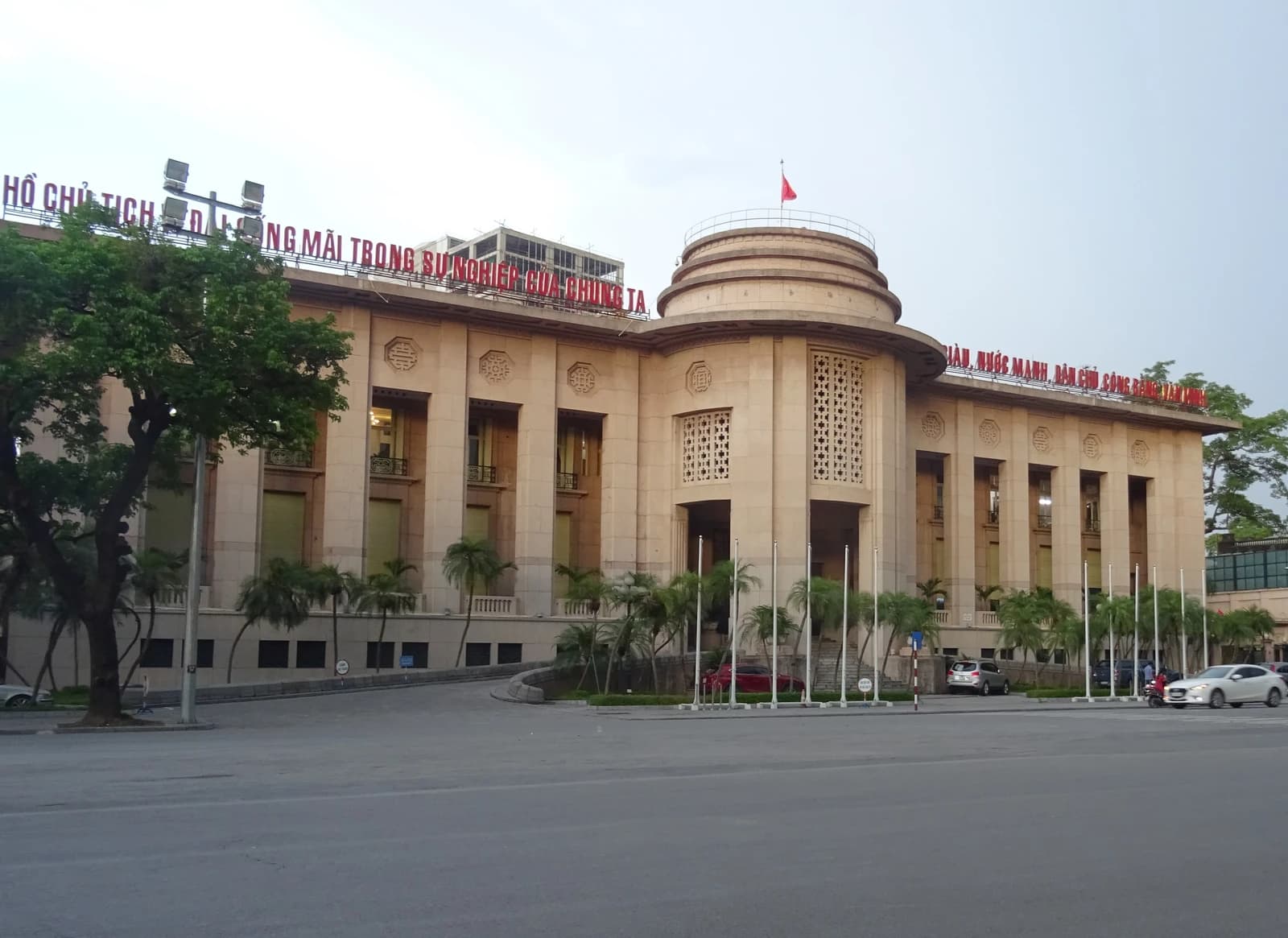
For Vietnam, the move matters because the central rate is the benchmark for banks and the broader foreign-exchange market, shaping import costs, exporter receipts and the State Bank’s room to manage volatility. A firmer dollar against the dong can support exporters’ VND revenues, but it also raises the local-currency cost of fuel, raw materials and other imported inputs at a time when policymakers remain sensitive to inflation and financial stability.
Sentiment Indicators
The dollar itself was softer on the day, with the US Dollar Index down 0.05% to 103.84 as investors pared some of the recent gain driven by sticky US inflation data and increasingly hawkish Fed commentary. Still, the pullback looked more like consolidation than a reversal. Strategic gains in the greenback have been powered by higher US yields and the market’s view that the Fed may keep policy restrictive for longer, a backdrop that continues to pressure Asian currencies and keep central banks on alert.
That tension is visible in the yen, where the dollar slipped 0.6% to 158.78 yen but remained close to levels that prompted Japanese intervention in July. Japan’s core inflation rose to 2.2% in October, adding to expectations that the Bank of Japan may have to tighten further, while analysts at Capital Economics argue that a combination of easing US yields and firmer long-term Japanese inflation expectations could eventually support the yen. Sterling was little changed near a one-year low versus the dollar, another sign that the broader FX market is still being dominated by US rate expectations.
For investors, the key point is that a marginally weaker dollar globally does not yet change the macro picture: the currency remains elevated, volatility is still high and emerging-market exchange-rate management is likely to stay active. In Adalytica’s US dollar trade signals, the dollar is still showing “extreme fear” sentiment despite elevated awareness, a pattern that suggests traders remain wary of chasing the move even as the trend has not clearly broken.
For Vietnam, that means the next moves in the dong will likely depend less on today’s modest dip in the dollar than on the next US inflation print and Fed guidance. If US yields stay firm, pressure on the dong could persist; if the dollar finally gives up momentum, the State Bank may get more breathing room on currency management and imported inflation.
| Entity | Gains | Losses |
|---|---|---|
| Vietnamese exporters | ▲Higher dong revenues | ▼— |
| Vietnamese importers | ▲— | ▼Higher input costs |
| State Bank of Vietnam | ▲More room to manage FX | ▼Pressure to defend the dong |
| US dollar bulls | ▲— | ▼Near-term consolidation risk |