The yuan’s central parity rate has climbed to its strongest level in more than four years, reflecting a market in which foreign-exchange supply remains ample and Chinese companies are still converting overseas currency into renminbi despite a firmer U.S. dollar.
China Yuan Fixing Hits Strongest Since 2022
The People’s Bank of China set the daily fixing at 6.7118 per dollar on Wednesday, the highest since July 2022, underscoring how domestic flows are overpowering some of the dollar’s support from higher U.S. real rates. For investors, the move matters because the fixing still anchors broader yuan expectations and can influence hedging, trade settlement and capital-flow behavior across Asia’s second-largest economy.
Sentiment Indicators
Cheng Shi, chief economist at ICBC International, said the yuan is being helped by improved foreign-exchange supply and stronger corporate conversion demand, even as the greenback draws support from U.S. rate differentials. That combination points to a market where exporters and other holders of foreign currency are still feeding supply into the domestic system, while importers and balance-sheet managers are also shaping near-term demand for the Chinese currency.
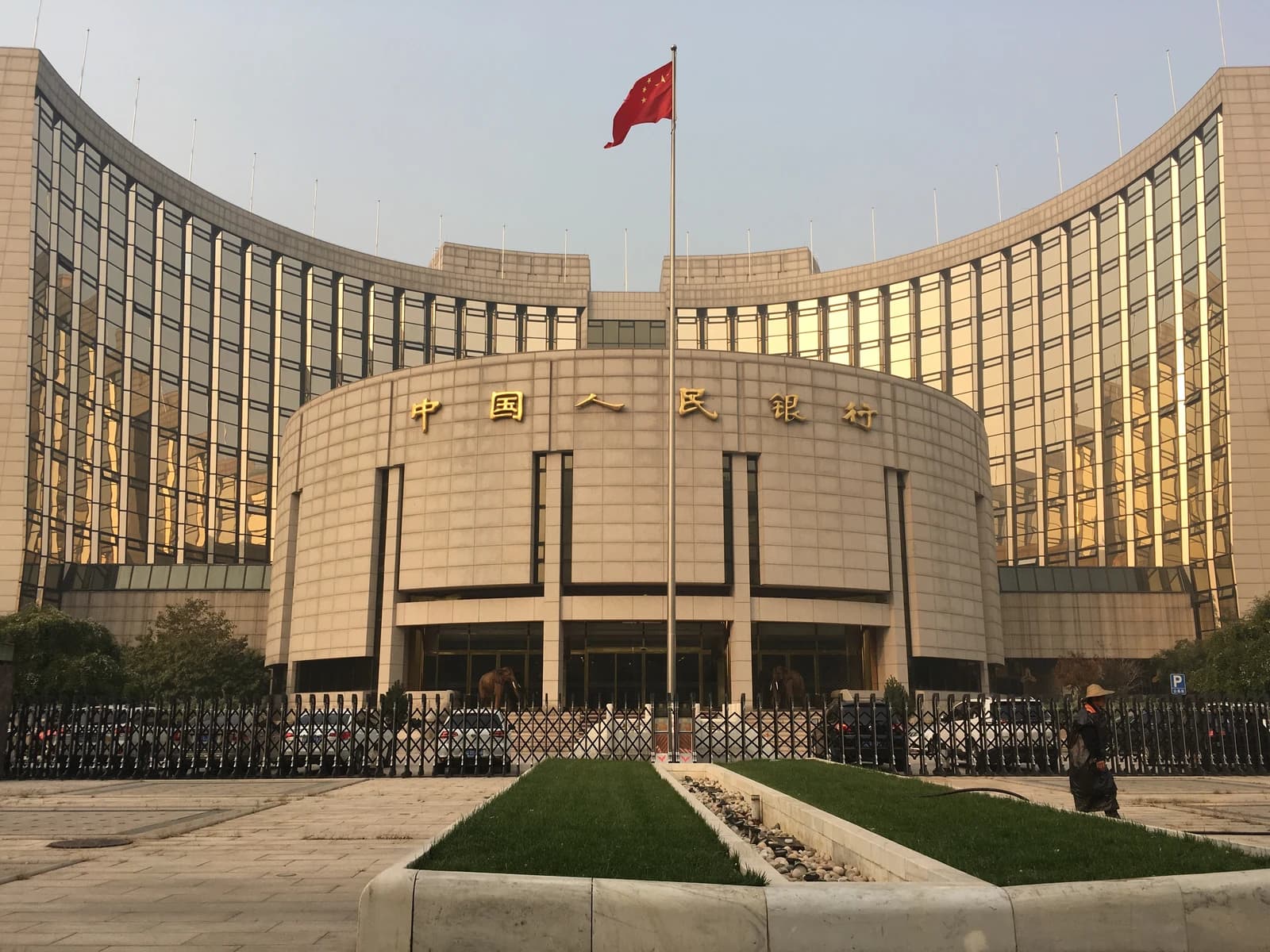
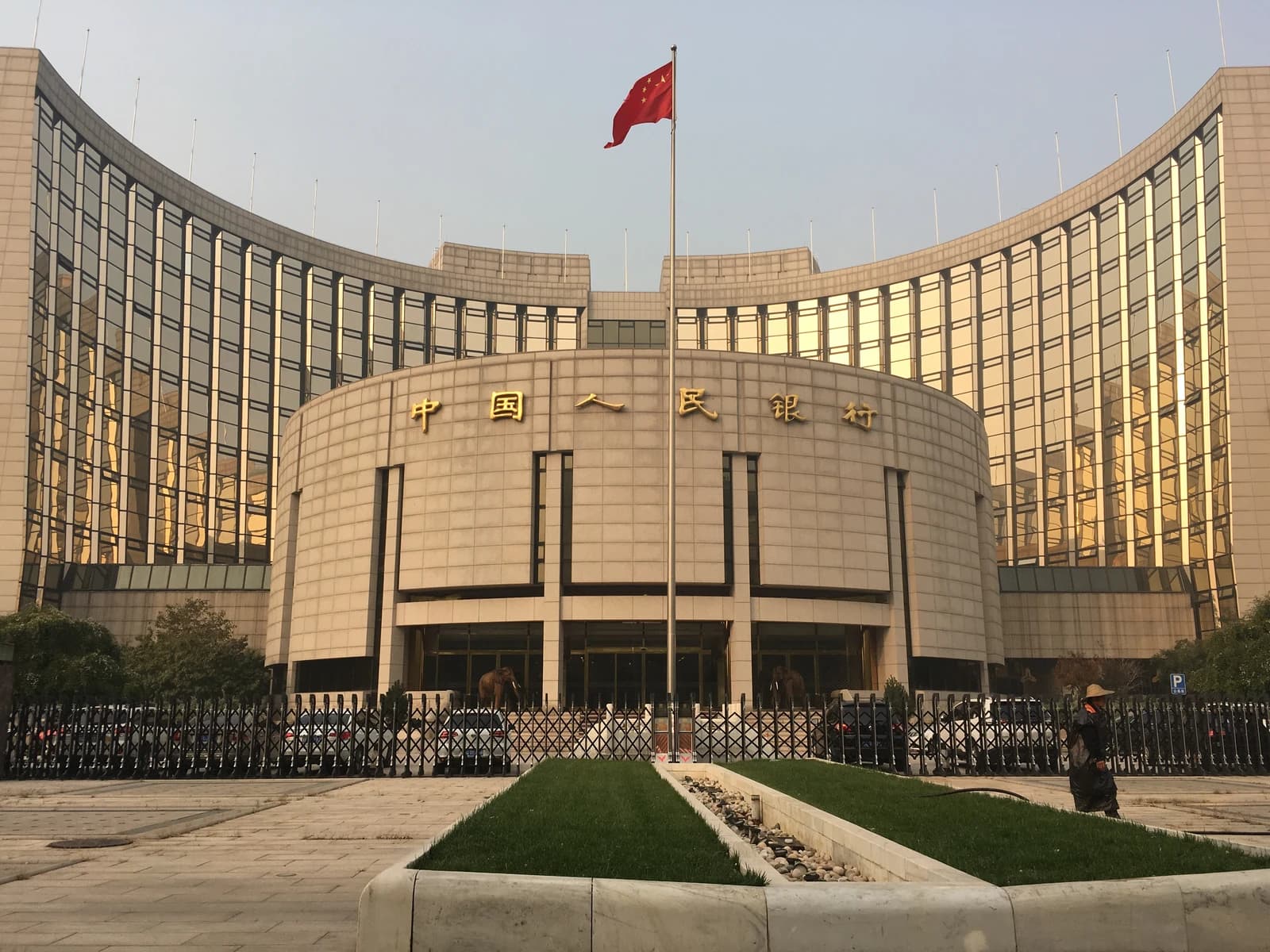
Beijing has also moved to slow the pace of appreciation. On Nov. 3, the central bank raised the foreign-exchange reserve requirement ratio for banks from 4% to 6%, the first increase in nearly five years, in a step that will lock up more foreign-currency liquidity. Wen Bin, chief economist at China Minsheng Bank, estimated the change will freeze about $24 billion based on roughly $1.2 trillion in foreign-currency deposits at the end of September.
The policy action is not large enough to overturn supply and demand by itself in a market with daily turnover above $800 billion, Wen said, but it sends a clear signal that authorities do not want a one-way bet on the currency. That is important for investors because the fixing and reserve-ratio move together show Beijing is trying to slow speculative positioning without abandoning flexibility or a fixed exchange-rate target.
In October, the central bank reiterated that it does not target a preset level for the yuan, but said it would use market-based tools if herd behavior or irrational expectations threatened to drive short-term overshooting. That leaves the near-term narrative in a familiar place: the yuan is being supported by domestic flow dynamics, but authorities are still prepared to damp excessive strength if it starts to become disorderly.
For currency markets, the immediate implication is a narrower path for outright yuan weakness even if the dollar stays firm. For exporters, a stronger fixing and tighter dollar liquidity can raise hedging costs and reduce the incentive to hold foreign-currency proceeds offshore; for importers and overseas investors, it can improve confidence that the currency will not be allowed to weaken abruptly. The key test now is whether corporate conversion demand persists and whether policymakers need to do more to prevent further appreciation.
| Entity | Gains | Losses |
|---|---|---|
| Chinese consumers and importers | ▲Cheaper imports | ▼Export margin pressure |
| Yuan bulls and FX hedgers | ▲Stronger currency signal | ▼Less upside from dollar longs |
| Chinese banks | ▲Policy clarity | ▼Tighter dollar liquidity |
| Chinese exporters | ▲Stable settlement planning | ▼Lower conversion flexibility |