The U.S. dollar strengthened again in global markets on Nov. 20, but the move has not yet translated into a sharp jump in Vietnam’s domestic exchange rates, leaving would-be buyers to weigh timing rather than chase the rally.
U.S. dollar rises as Vietnam dong rates hold steady
The dollar index rose 0.07% to 103.93, helped by a swing toward safe-haven assets as investor appetite for AI-related risk cooled, while hotter-than-expected U.S. inflation data and hawkish Federal Reserve comments kept expectations for tighter policy alive. The greenback also gained 0.2% against the yen to 159.615, ending a four-session slide, while the Australian dollar and sterling weakened as capital rotated back into dollars.
Sentiment Indicators
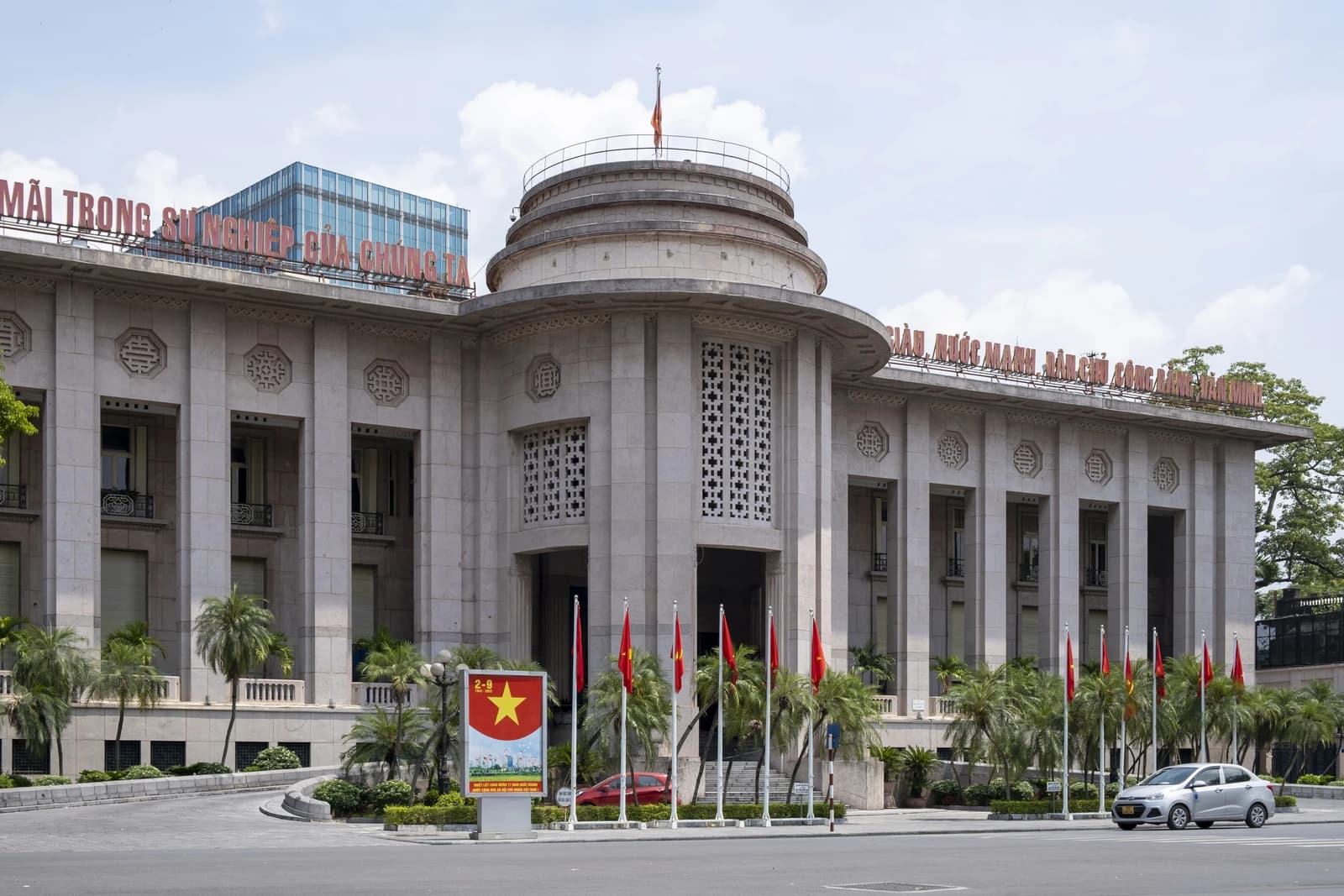
That global backdrop matters because the dollar still sets the tone for trade settlement, debt servicing and import costs across emerging markets. Yet in Vietnam, the central bank’s reference rate fell 10 dong to 25,646 per dollar, and several commercial banks only nudged retail quotes higher. Vietcombank raised its dollar rate by 20 dong to 25,530-25,940, VietinBank lifted rates by 42 dong to 25,522-25,967, and BIDV moved to 25,560-25,940.
The offshore market was more static. At the black market and gold shops, the dollar was unchanged from the prior session at 26,023 dong bid and 26,123 dong offered. That gap between a firmer global dollar and a relatively restrained domestic market suggests local supply-demand conditions are still cushioning the pass-through.
For businesses and households, that distinction is crucial. A stronger dollar abroad does not automatically mean a larger rise in Vietnam’s dollar price, because domestic rates are also shaped by foreign-currency demand for imports, debt payments and other settlement flows. In other words, the headline move in the dollar index is only one input into the Vietnam dong equation.
For investors and savers, the message is more cautious. Buying dollars now to speculate on further gains looks less compelling if domestic prices are not moving in lockstep with global strength. The spread between bank rates and informal market levels also leaves limited room for quick profits unless the dollar extends higher and domestic rates follow.
The near-term question is whether the global dollar rally can find fresh momentum or whether it needs another catalyst to persist. If U.S. yields and risk aversion keep rising, Vietnam’s banks may have to reprice more aggressively. If not, the current pause in domestic rates could continue, making gradual buying more sensible than chasing the currency on a single strong day.
| Entity | Gains | Losses |
|---|---|---|
| U.S. dollar holders | ▲Higher global value | ▼Importers facing FX costs |
| Vietnamese banks | ▲Stable trading conditions | ▼Dollar buyers seeking bargains |
| Importers and students | ▲Predictable near-term pricing | ▼Speculators betting on quick gains |
| Dong savers | ▲Less immediate depreciation pressure | ▼Those waiting for a sharper rally |