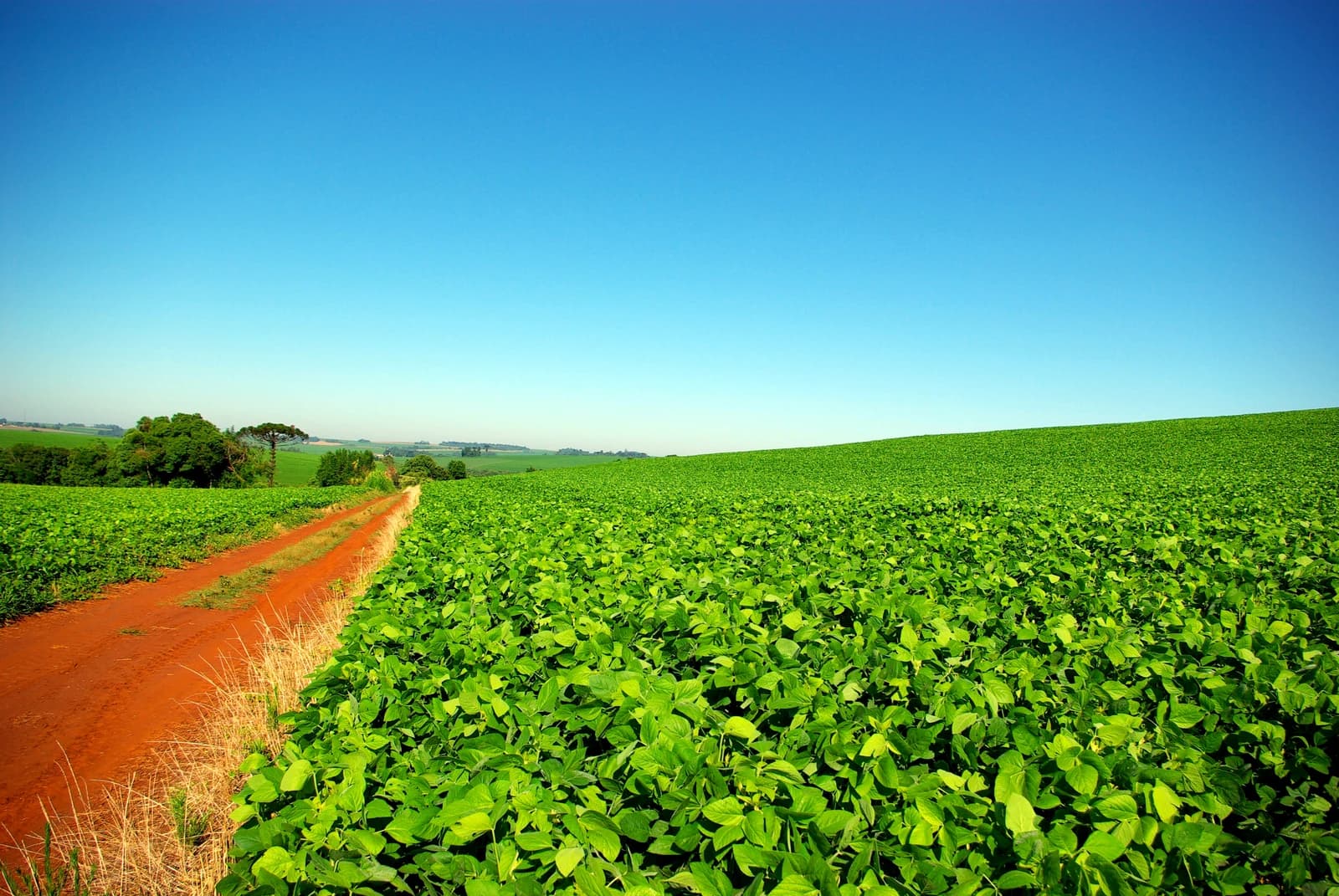
Brazil’s soybean acreage is likely to hold roughly steady in 2026/27, as weaker farm economics limit the incentive to plant more, according to Agroconsult. The outlook matters because Brazil is the world’s biggest soybean supplier and even a pause in area growth can tighten expectations for global oilseed supply, export flows and crushing margins.
Brazil Soybean Acreage Seen Flat in 2026/27

Agroconsult’s view points to a crop cycle in which farmers are still buying into soybeans, but with less room to expand after several years of aggressive growth. Tighter margins are being squeezed by softer commodity pricing, while higher financing costs continue to make the economics of land expansion and input spending less attractive.
Sentiment IndicatorsⓘProprietary · adalytica.com · August 25, 2026
This is a snapshot — live sentiment, awareness and momentum for 130+ markets update continuously in the dashboard.Open AlphaPulse
That backdrop is already visible in grain and oilseed markets. U.S. soybean futures-linked ETFs have firmed in recent sessions, with the SOYB fund trading around $26.26 on Aug. 25, while WEAT and CORN also have moved higher, reflecting a broader bid across agricultural markets. Even so, soybean pricing has been pressured by weaker crude and soybean oil, underscoring how demand for biofuel-linked products still shapes oilseed economics.
The macro setting is not offering much relief. U.S. 10-year Treasury yields are around 4.74%, and the federal funds rate is 3.63%, keeping borrowing costs elevated for growers and agribusinesses alike. In real terms, that makes acreage expansion harder to justify unless crop returns improve materially.
Brazilian growers also face a more nuanced demand picture. China remains the key outlet for South American soybeans, and any shift in Chinese buying patterns can quickly affect farmer planting decisions. Meanwhile, the latest Adalytica Corn Fear & Greed snapshot shows neutral sentiment but extreme awareness, suggesting traders are watching weather, policy and export demand closely as the new planting cycle approaches.
For investors, the implication is that Brazil may not deliver the kind of acreage surge that would quickly relieve global supply concerns. That supports soybean prices relative to a scenario of rapid expansion, while keeping attention on weather in South America, U.S. yield prospects and Chinese import demand as the main catalysts into the next planting season.
| Entity | Gains | Losses |
|---|---|---|
| Soybean bulls | ▲tighter supply expectations | ▼fewer acres added |
| Brazilian farmers | ▲current soybean base | ▼expansion economics |
| Importers/crushers | ▲steadier planning | ▼less supply cushion |
| Competitors in U.S. and Argentina | ▲potential pricing support | ▼Brazil’s slower growth |