Maracaju has reclaimed its position as Mato Grosso do Sul’s biggest soybean producer, a rebound that underscores the state’s rising weight in Brazil’s grain belt after weather-hit output last year.
Maracaju regains top soybean output in Mato Grosso do Sul
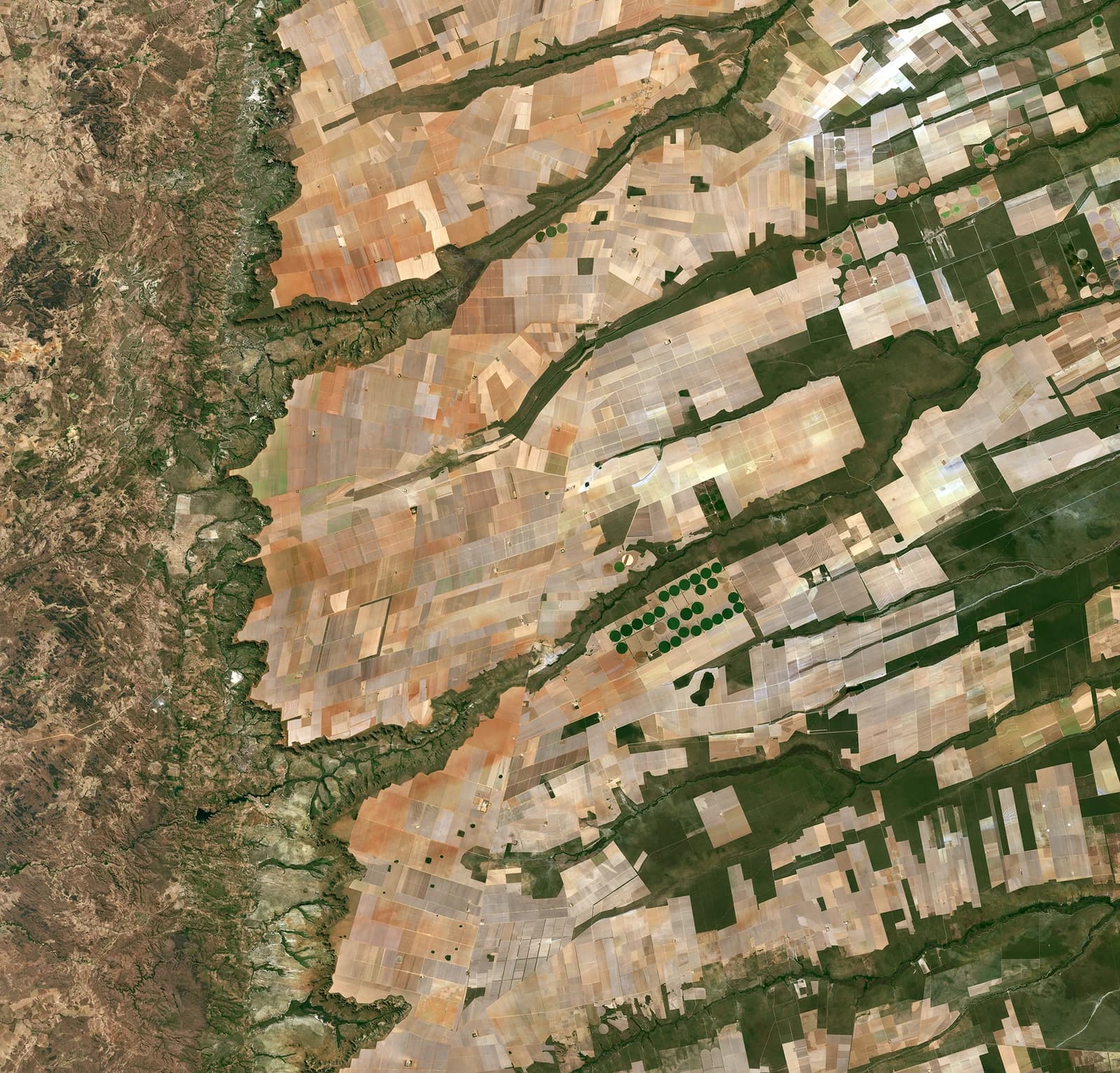
The municipality produced 1.23 million tons of soybeans in 2025, ahead of Ponta Porã’s 899,100 tons and Sidrolândia’s 891,000 tons, according to IBGE’s Municipal Agricultural Production survey released Tuesday. Maracaju also led the state in planted area, with 650,537 hectares, reinforcing its role as the main production hub in a season when Mato Grosso do Sul’s agricultural crop value climbed 33.9% to 47.8 billion reais.
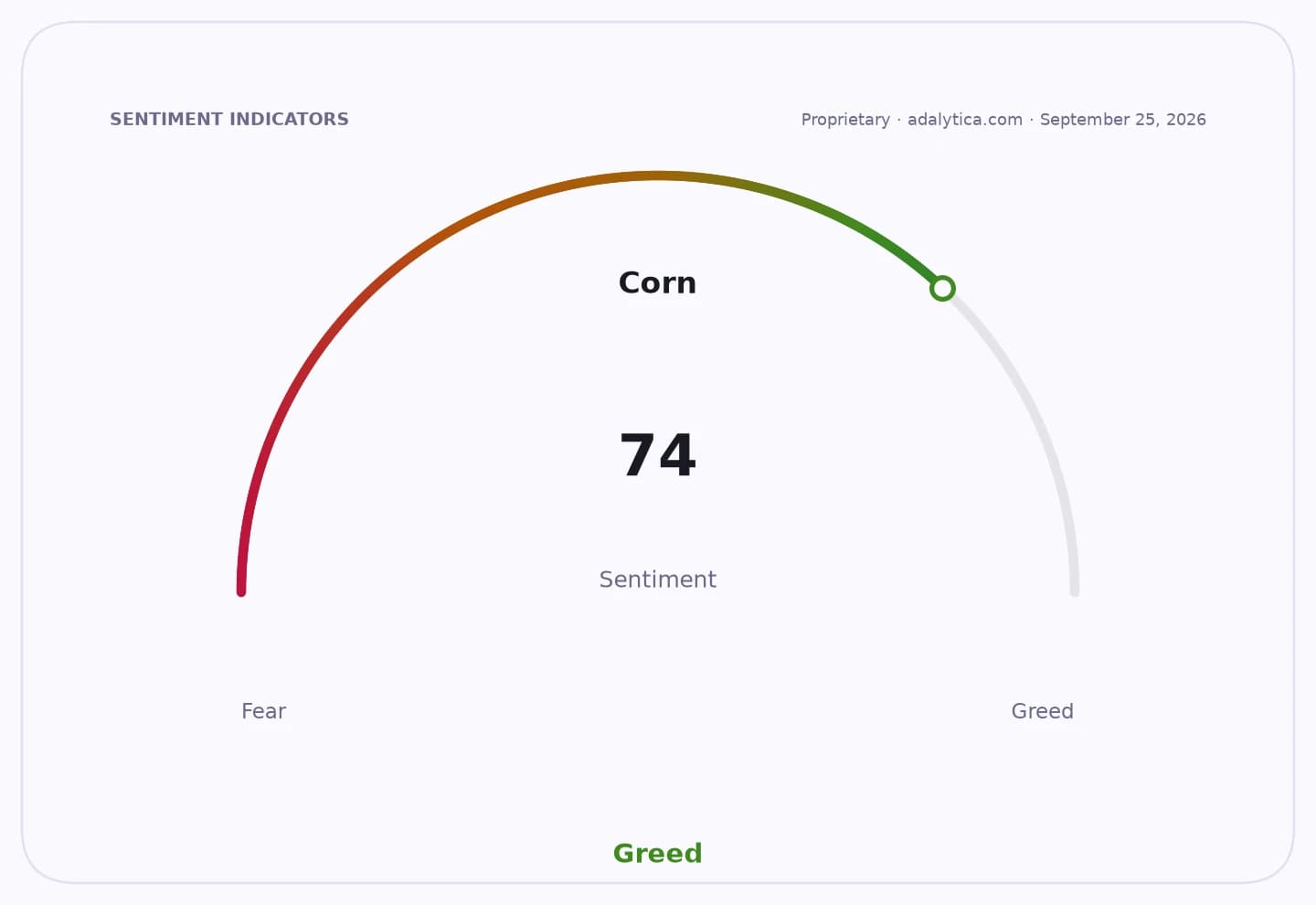
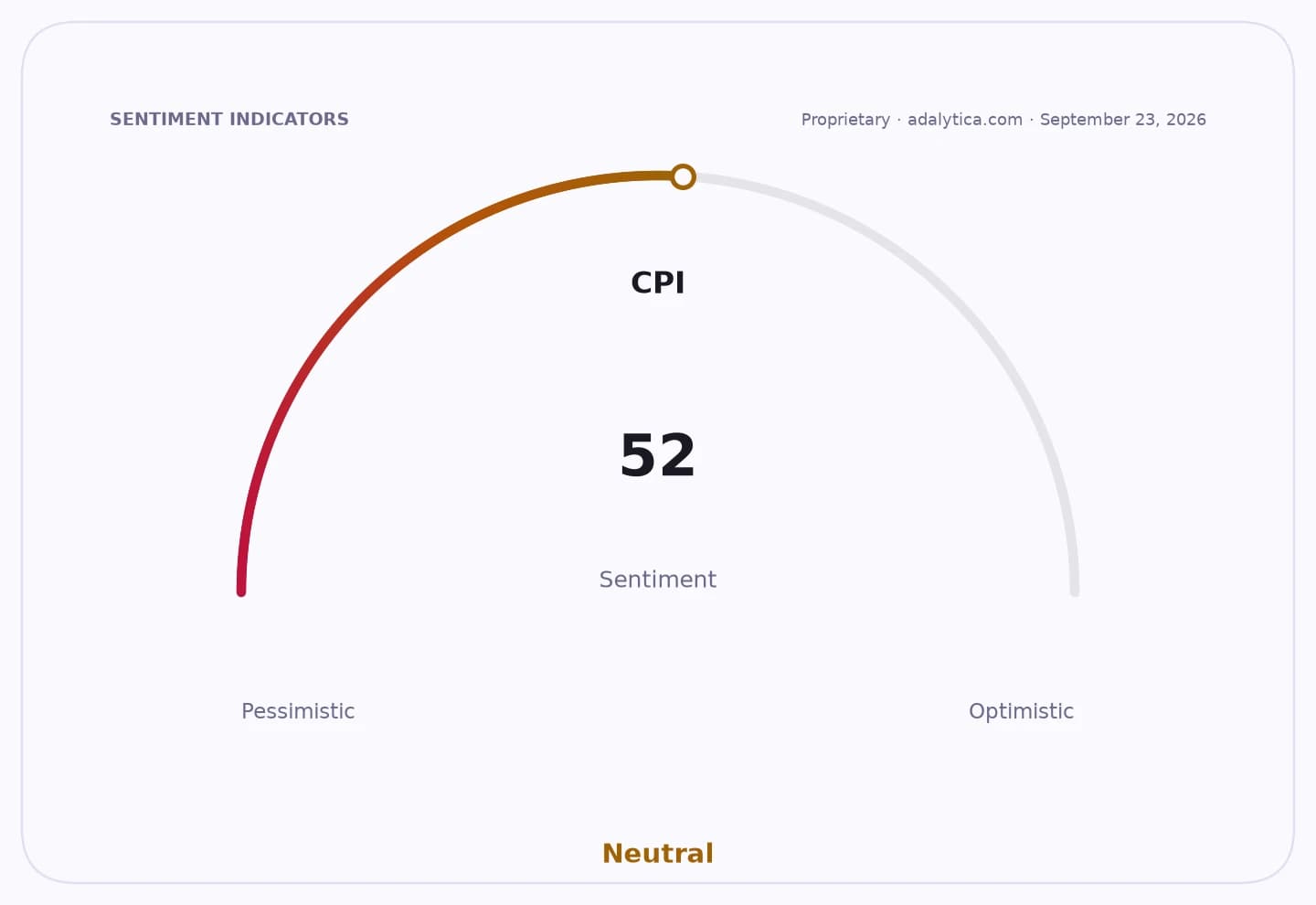
Sentiment IndicatorsⓘProprietary · adalytica.com · September 19, 2026
This is a snapshot — live sentiment, awareness and momentum for 130+ markets update continuously in the dashboard.Open AlphaPulse
The broader recovery matters because it restores volume after 2024 was bruised by El Niño-related weather problems and lifts one of Brazil’s key export regions back into growth mode. Grain production in the state jumped 43.6%, while total planted area reached 7.6 million hectares, up 5.3% from a year earlier, suggesting both better yields and a more aggressive planting cycle.
Corn was the other major driver. Mato Grosso do Sul harvested a record 13.9 million tons in 2025, up 76.8% from the previous year and the highest in the series that began in 1979. Maracaju ranked seventh nationally for corn, with about 1.83 million tons, while Sidrolândia, Ponta Porã and Dourados also placed among the country’s top 25 producers.
For investors, the numbers point to stronger cash generation across the state’s farm economy and firmer throughput for traders, processors and logistics operators tied to Brazil’s soybean and corn exports. The gains also help offset pressure from weaker commodity pricing and currency swings, which can squeeze growers’ margins even when output rises.
Mato Grosso do Sul remained Brazil’s fourth-largest corn producer, behind Mato Grosso, Paraná and Goiás, and Maracaju’s return to the top soybean slot keeps it at the center of the state’s agricultural expansion. The next focus is whether the harvest momentum carries into commercialization, storage and freight demand as farmers bring a larger crop to market.
| Entity | Gains | Losses |
|---|---|---|
| Maracaju | ▲Soybean leadership; higher planted area | ▼Rival municipalities |
| Mato Grosso do Sul farmers | ▲Record corn crop; higher crop value | ▼2024 weather losses |
| Grain traders/processors | ▲Larger volumes to handle | ▼Tight margins from price swings |
| Soybean rivals in MS | ▲— | ▼Maracaju’s regained lead |