Brazil’s public companies remain profitable and are stepping up investment, a rebuttal to far-right claims that state-owned firms are in decline and a message that could shape the privatization debate ahead of next year’s political fights.
Brazil state firms post profit and investment gains
Esther Dweck, the minister for management and innovation in public services, said state-owned companies generated R$484 billion in profit in the first three years of President Luiz Inácio Lula da Silva’s term, 23% more than in the same period under Jair Bolsonaro. She also said investment by state firms reached R$116 billion in 2025, up 125% from the last year of the previous government, and is projected to rise to R$140 billion in 2026.
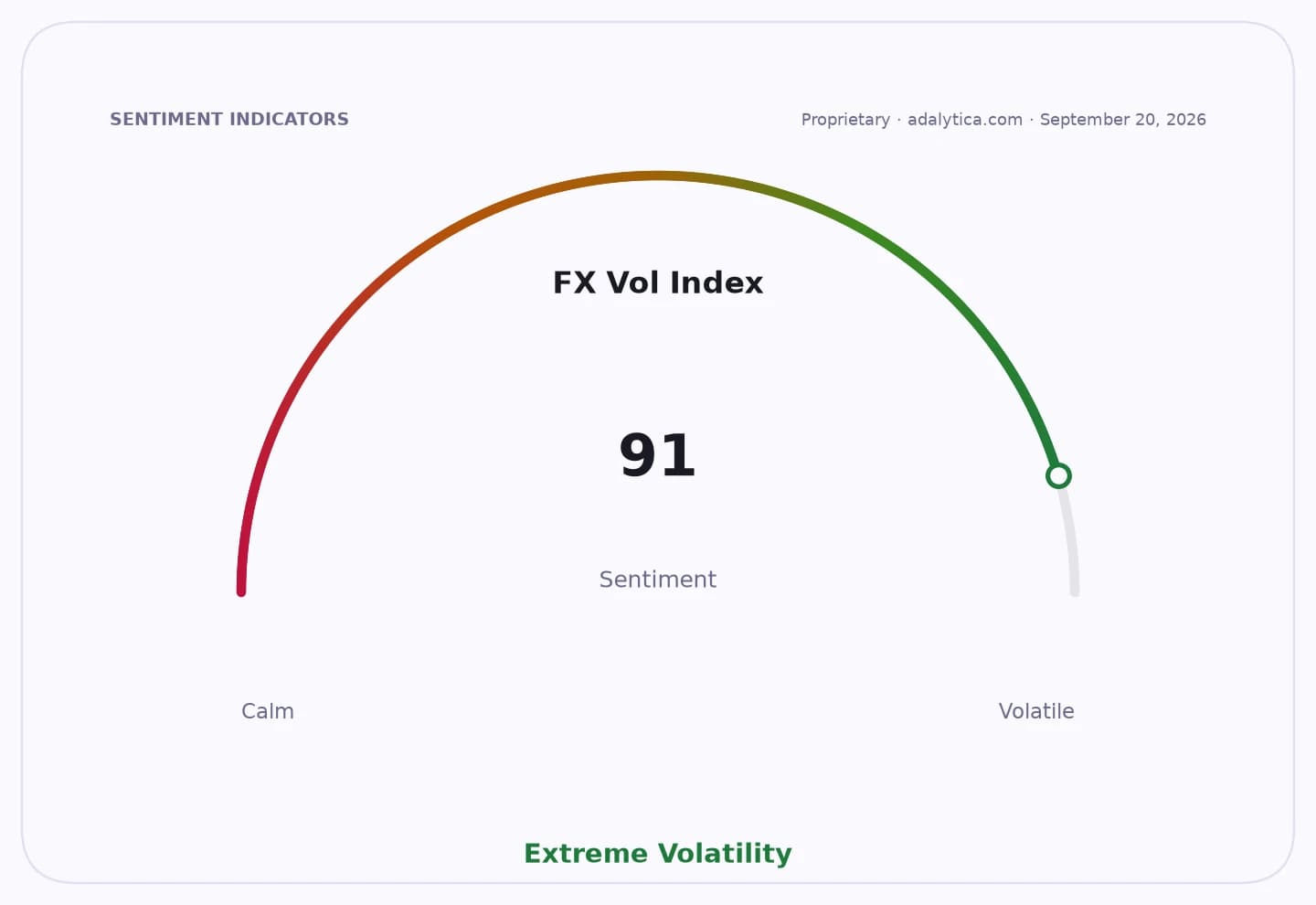
Sentiment IndicatorsⓘProprietary · adalytica.com · October 10, 2026
This is a snapshot — live sentiment, awareness and momentum for 130+ markets update continuously in the dashboard.Open AlphaPulse
The numbers matter economically because Brazil’s state sector still plays a large role in infrastructure, energy, logistics and digital services, and its capital spending feeds into growth, jobs and credit demand. Dweck’s defense of the sector is also aimed at countering arguments that public assets should be sold cheaply, especially in strategic businesses such as Serpro and Dataprev, which handle sensitive government data.
For investors, the message is that Brasília is signaling a more activist stance toward state companies rather than a retreat from them. That can support spending by firms tied to the public sector, but it also raises the prospect of greater policy intervention, slower privatization and continued political risk around pricing, governance and capital allocation.
Dweck said so-called dependent state companies provide essential public services financed directly by the Treasury, and she argued that attacks on the sector are designed to weaken strategic assets before privatization. Her comments come as Brazil’s debate over the role of the state remains a live political issue and as investors watch how Lula balances fiscal constraints with higher public investment.
Technical indicators on Petrobras ADRs underscore the market’s strength around a key state-linked name, with shares at $25.30 on Oct. 9, well above the 50-day and 200-day moving averages, while RSI readings at 83.9 point to an overheated short-term move. Vale shares, by contrast, were at $13.62 on Oct. 9, below both the 50-day and 200-day averages, with RSI at 40.6, reflecting weaker momentum in another major Brazilian heavyweight.
The immediate catalyst is whether Lula’s government can keep lifting investment without worsening fiscal pressure, while the political fight over privatization and the performance of major state-linked stocks will remain in focus.
| Entity | Gains | Losses |
|---|---|---|
| Lula government | ▲Political case for state-led investment | ▼Privatization push |
| State-owned companies | ▲Higher investment and profit narrative | ▼Claims of chronic losses |
| Petrobras | ▲State-sector tailwind and investor attention | ▼Risk of policy intrusion |
| Privatization advocates | ▲— | ▼Public-opinion momentum |