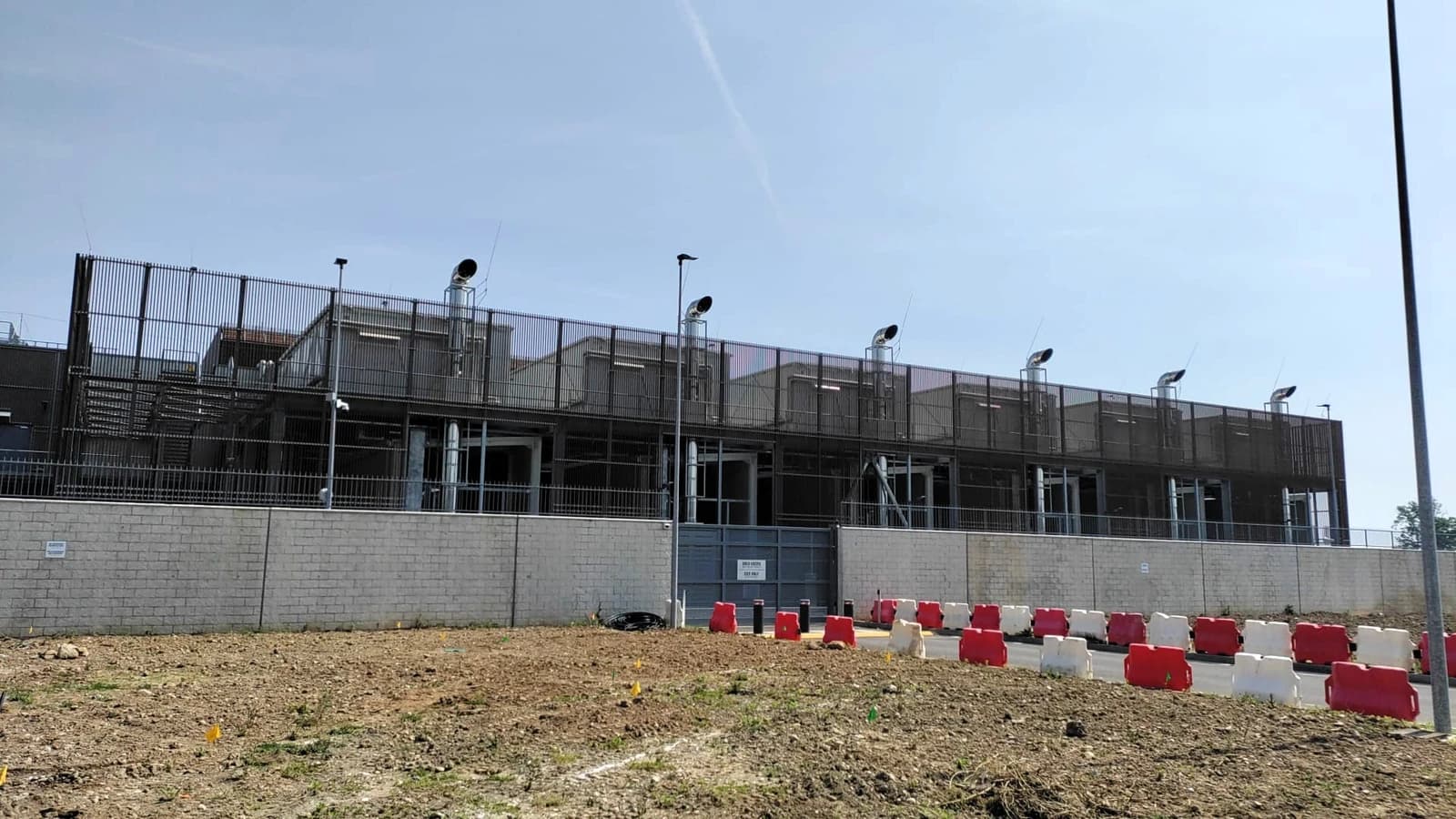
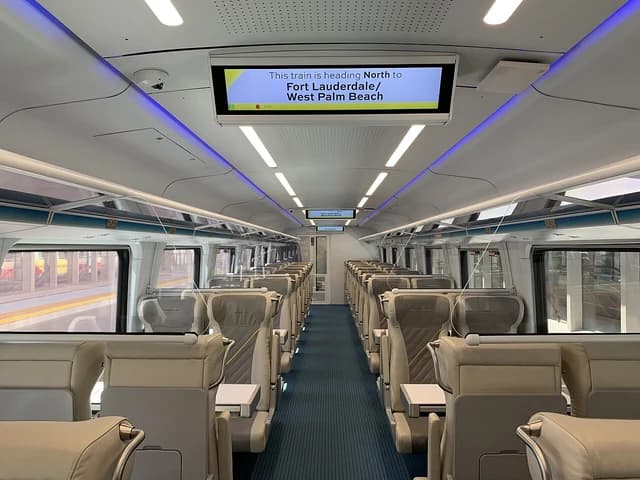
Brightline must restructure its debt, but the company says the distress is not affecting Brightline West, keeping the planned Las Vegas route separate from the financial pressure on its existing Florida rail business.
Brightline restructures debt, keeps Brightline West separate
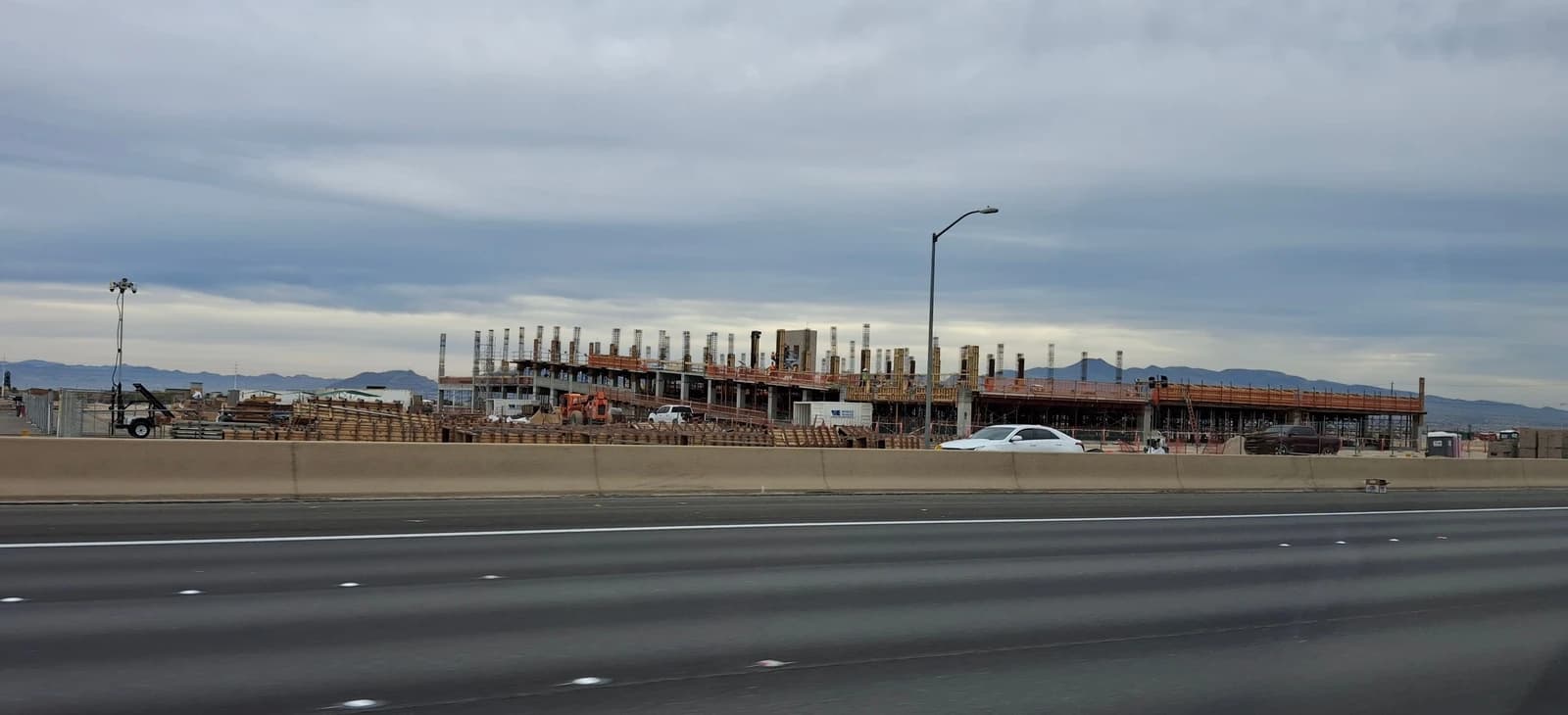
That split matters because Brightline has been one of the most visible private bets on U.S. passenger rail, and any debt work-out raises questions about how far lenders, investors and public backers will keep supporting capital-intensive transit projects. For investors, the key issue is whether the restructuring is a contained fix at the operating business or a sign that private rail’s funding model is running into its limits.
Sentiment Indicators
The development underscores the financing strain in infrastructure projects that depend on long-dated cash flows, high leverage and continued access to capital markets. If Brightline’s core debt stack needs to be reset, lenders may demand more equity, tighter covenants or asset-level ring-fencing, which can reshape returns for sponsors and creditors alike.
Brightline West remains the cleaner story for now. The Las Vegas project has been marketed as a separate expansion play, and the company’s effort to keep it outside the restructuring suggests it is trying to preserve optionality for one of the few U.S. rail projects with broader strategic and political visibility.
Shares of Southwest Airlines, which trades under the ticker LUV and is a key comparator for U.S. transportation investors, were little changed in recent trading, with the stock at $42.37 on Tuesday, still below its 200-day moving average of about $43.17. Technical indicators showed the stock’s relative strength index at 68.7, pointing to firm momentum, while the broader market backdrop was one of extreme greed in the S&P 500, according to Adalytica’s trade signals.
For investors, the immediate focus is on the terms of the restructuring, the treatment of existing lenders and whether Brightline West can avoid contagion from the Florida unit. The next catalyst is likely to be a formal debt proposal or creditor negotiations that clarify how much value remains for each project and whether the company can keep its expansion plans on track.
| Entity | Gains | Losses |
|---|---|---|
| Brightline West | ▲Keeps project ring-fenced | ▼Faces funding scrutiny |
| Brightline creditors | ▲Potentially better collateral terms | ▼Risk of haircut or extension |
| Equity sponsors | ▲Preserve optionality in West | ▼Dilution from restructuring |
| U.S. rail investors | ▲Clearer project separation | ▼Higher perceived leverage risk |