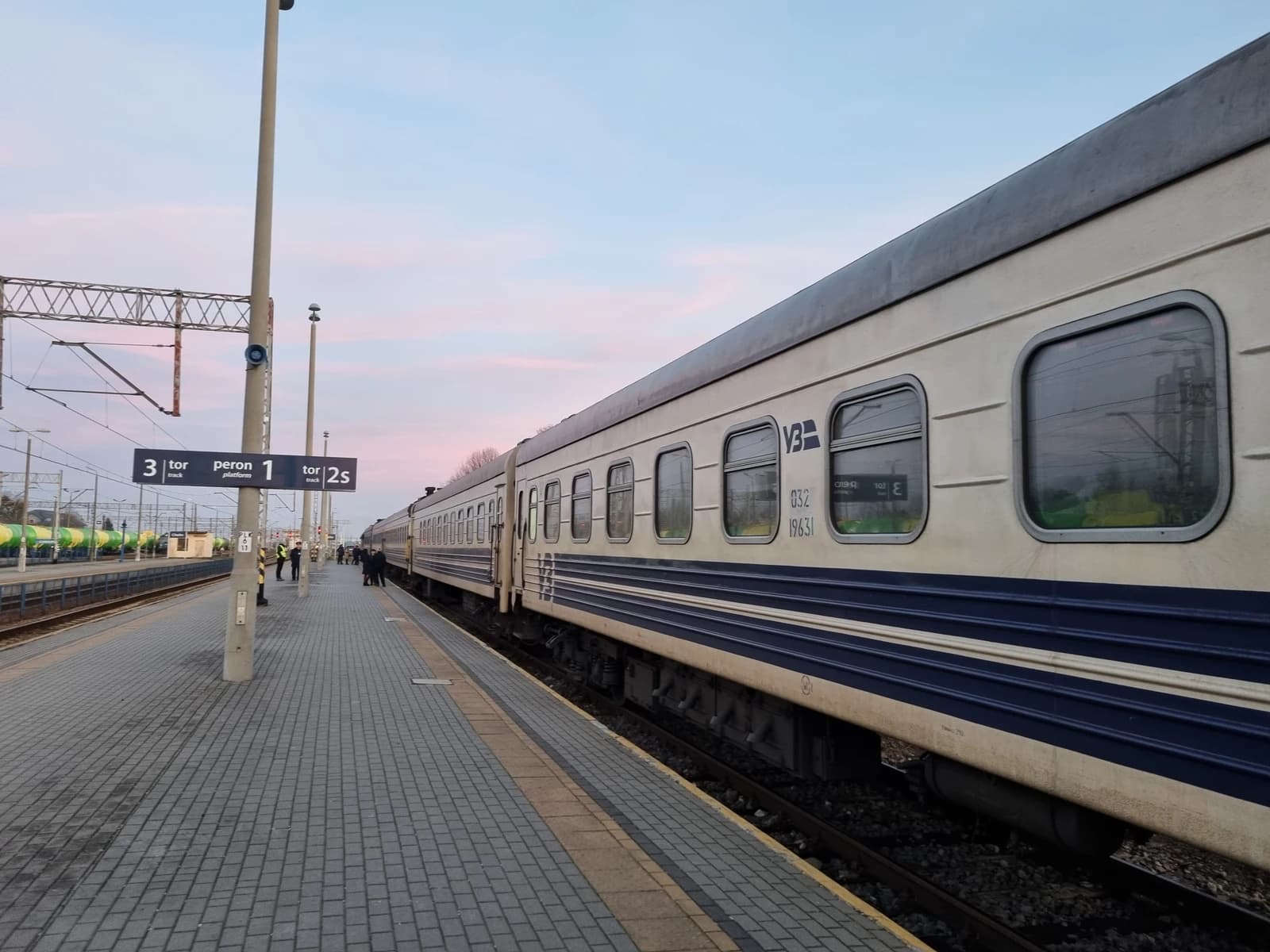
Spain’s failure to pass fresh state budgets has left transport spending frozen at 2023 levels, constraining the government’s ability to reinforce rail infrastructure and staffing just as a series of accidents has sharpened scrutiny of network safety.
Spain budget freeze limits rail spending

The political significance is broader than a procedural stalemate. For investors, contractors and public-service operators, the absence of updated Presupuestos Generales del Estado means the Treasury cannot easily reallocate resources toward maintenance, emergency staffing or resilience upgrades without resorting to piecemeal decrees. That matters because inflation has already eroded the real value of existing allocations, reducing the effective purchasing power of the transport ministry even before new investment needs are counted.
Former transport minister Óscar Puente said in parliament that his budget had remained unchanged since 2023, limiting what could be done to modernize the network or add personnel. The government’s own annual budget instructions have repeatedly identified transport infrastructure as a priority, first to improve mobility for people and goods and later, after the Adamuz rail accident in January, to modernize transport, energy and communications networks and make them more resilient to climate change. Yet those priorities never translated into fresh appropriations.
That gap matters economically because transport infrastructure is not only a public-safety issue but a productivity lever. Rail and logistics networks underpin domestic mobility, freight flows and industrial supply chains. Underinvestment can raise operating costs, increase delays and reduce network reliability, all of which eventually feed into broader economic efficiency. It also weakens the state’s ability to respond to shocks, whether from extreme weather, technical failures or cyber incidents, at a time when resilience has become a core policy concern across Europe.
The budget constraint has also complicated labor planning at Adif, the rail infrastructure manager. The company had been negotiating a new collective agreement to strengthen headcount, but the limit on replacement hiring is set in the annual budget law. Without a new budget, the government would have needed special measures to raise the cap or create temporary exceptions, something much harder to justify and pass through parliament.
For investors, the story cuts several ways. Construction, engineering and maintenance groups dependent on public works may face delayed contracts or slower project pipelines. At the same time, any eventual budget settlement could unlock deferred spending and benefit firms positioned for rail upgrades, control-room staffing and network modernization. The bear case is that continued political paralysis keeps capital spending subdued while headline risks around rail safety intensify, increasing pressure on the government without necessarily translating into timely investment.
The deeper issue is governance. Spain can legally operate without a new budget, but doing so shifts policymaking from strategic planning to crisis management. That leaves urgent measures to crowd out preventive spending, which is precisely the kind of expenditure that matters most for infrastructure resilience. For markets, the next catalyst is whether Madrid can break the budget deadlock and turn repeated promises on transport security into funded, executable plans.
| Entity | Gains | Losses |
|---|---|---|
| Treasury / government | ▲Short-term fiscal flexibility | ▼Strategic control over spending |
| Adif and rail network | ▲None immediately | ▼Staffing and maintenance capacity |
| Contractors and engineering firms | ▲Future upside if budgets pass | ▼Delayed public contracts |
| Commuters and freight operators | ▲Longer-term safety if investment comes | ▼Reliability and service quality |