Ukrzaliznytsia has launched a “Train of Iron Memory” platform to honor 1,220 railway workers killed since Russia’s full-scale invasion, underscoring how Ukraine’s rail network has become both a symbol of resilience and a frontline asset in the war economy.
Ukrzaliznytsia launches memorial for 1,220 rail workers
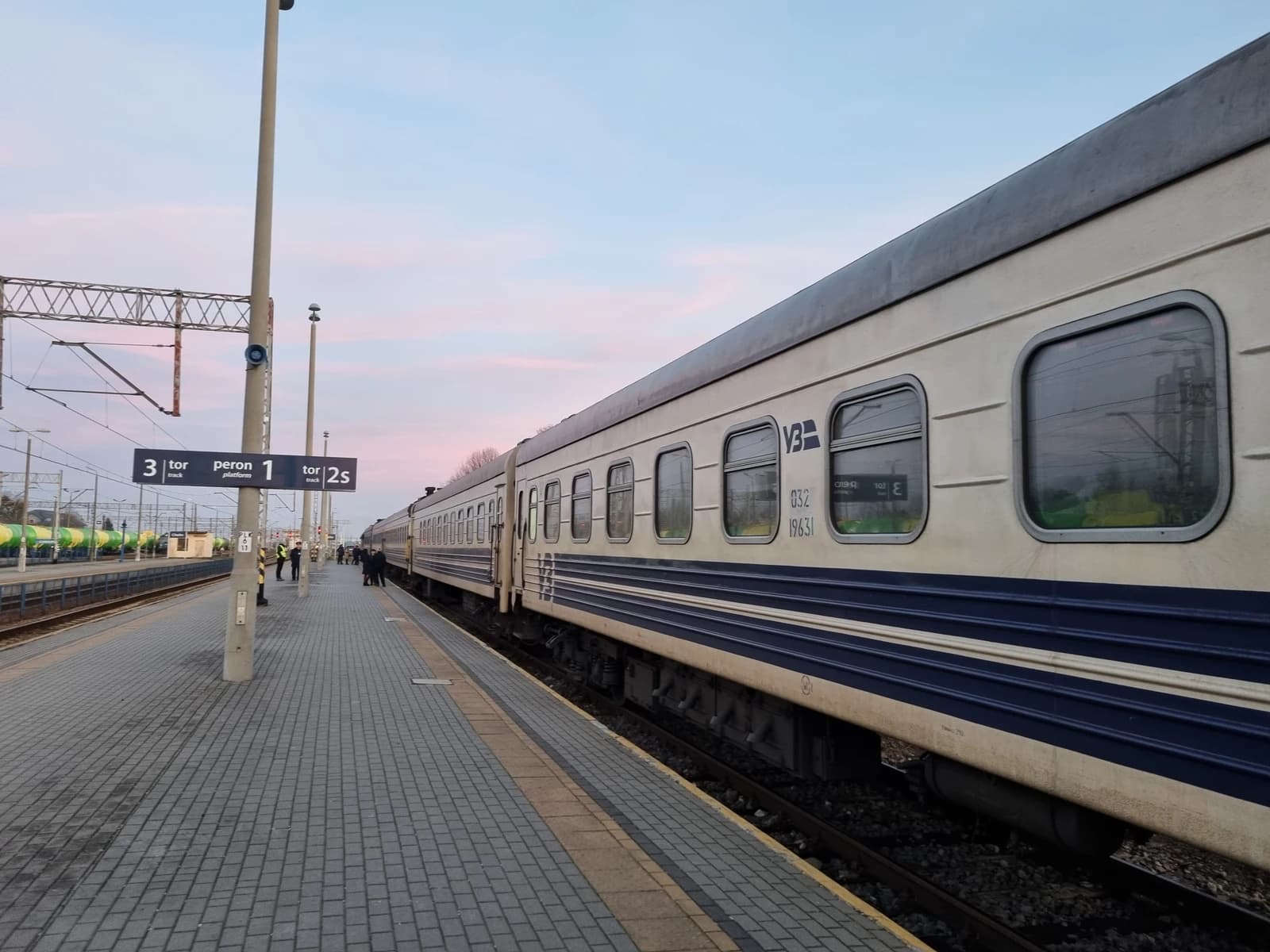
The memorial site, unveiled ahead of Railway Workers’ Day on Nov. 4, is more than a tribute. It is a reminder that Ukraine’s state rail operator has had to keep the country moving through missile and drone attacks, repairing tracks, restoring service after strikes and carrying passengers and military-linked freight under constant threat. In a country where rail remains one of the few reliable arteries for civilian movement, humanitarian aid and logistics, the cost of maintaining that network has been enormous.
That cost is strategic. Ukraine’s rail system is not just a transport utility; it is critical infrastructure that supports the broader economy, wartime mobilization and regional trade flows. Every disruption raises the price of moving goods, lengthens delivery times and increases the burden on the state and its allies to keep supply chains intact. For investors watching the war’s second-order effects, the rail sector is a proxy for both Ukraine’s endurance and the scale of reconstruction that will follow.
The human toll also highlights the operational risk embedded in any Ukrainian transport recovery story. Rail employees have been killed while running trains, repairing lines and restoring service after attacks, showing how the network’s continuity depends on a workforce operating under battlefield conditions. That makes resilience spending — from air defenses to signaling, track repair, rolling stock and hardened infrastructure — a likely long-term theme, not a short-term emergency.
The market implication is that the eventual rebuilding of Ukraine’s rail system will not be a narrow maintenance cycle. It will likely involve a multi-year capex wave tied to security, redundancy and modernization, creating opportunities for builders, equipment suppliers, engineering firms and defense-linked infrastructure contractors. The more the war exposes the vulnerability of rail assets, the more valuable the eventual replacement and hardening of those assets becomes.
For now, the “Train of Iron Memory” is a public acknowledgment that Ukraine’s rail network is paying a human price for keeping the country functioning. The investment takeaway is straightforward: the war is turning rail infrastructure into a strategic asset class, and the companies positioned for protection, repair and rebuilding may emerge as the clearest long-duration winners.
| Entity | Gains | Losses |
|---|---|---|
| Ukrzaliznytsia | ▲Public recognition; resilience narrative | ▼Ongoing wartime losses |
| Ukraine rail workers | ▲Memorialization; support visibility | ▼Human casualties; operational danger |
| Infrastructure/security suppliers | ▲Future repair and hardening demand | ▼None directly |
| Russian strikes | ▲Tactical disruption | ▼Long-term rebuilding resolve |