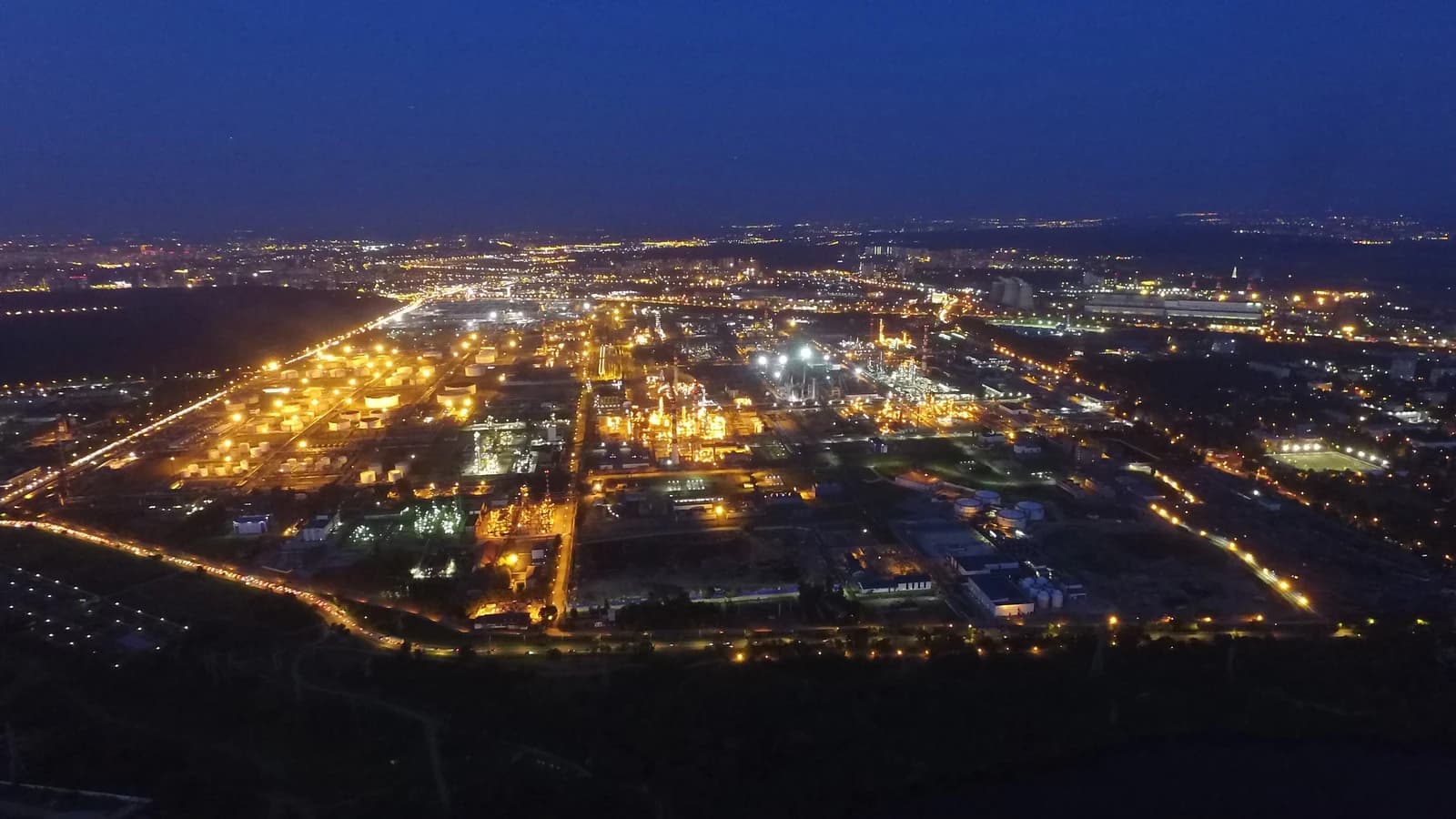
A fire at one of Russia’s most important oil transport hubs is still raging a day after a Ukrainian drone strike, underscoring how the war is increasingly threatening the arteries that keep Russian crude moving to refineries and export markets.
Russia Samara oil hub fire disrupts crude flows
That matters because the Samara Linear Production and Dispatch Station is not just another storage site. It is a major junction in Transneft’s pipeline network, where four trunk lines converge and where crude is mixed into Urals, Russia’s key export grade. With 71 tanks and capacity for more than 1.6 million cubic meters of oil, any sustained disruption raises the risk of bottlenecks in domestic processing and export flows — exactly the kind of stress investors watch when geopolitical risk starts to bleed into supply.
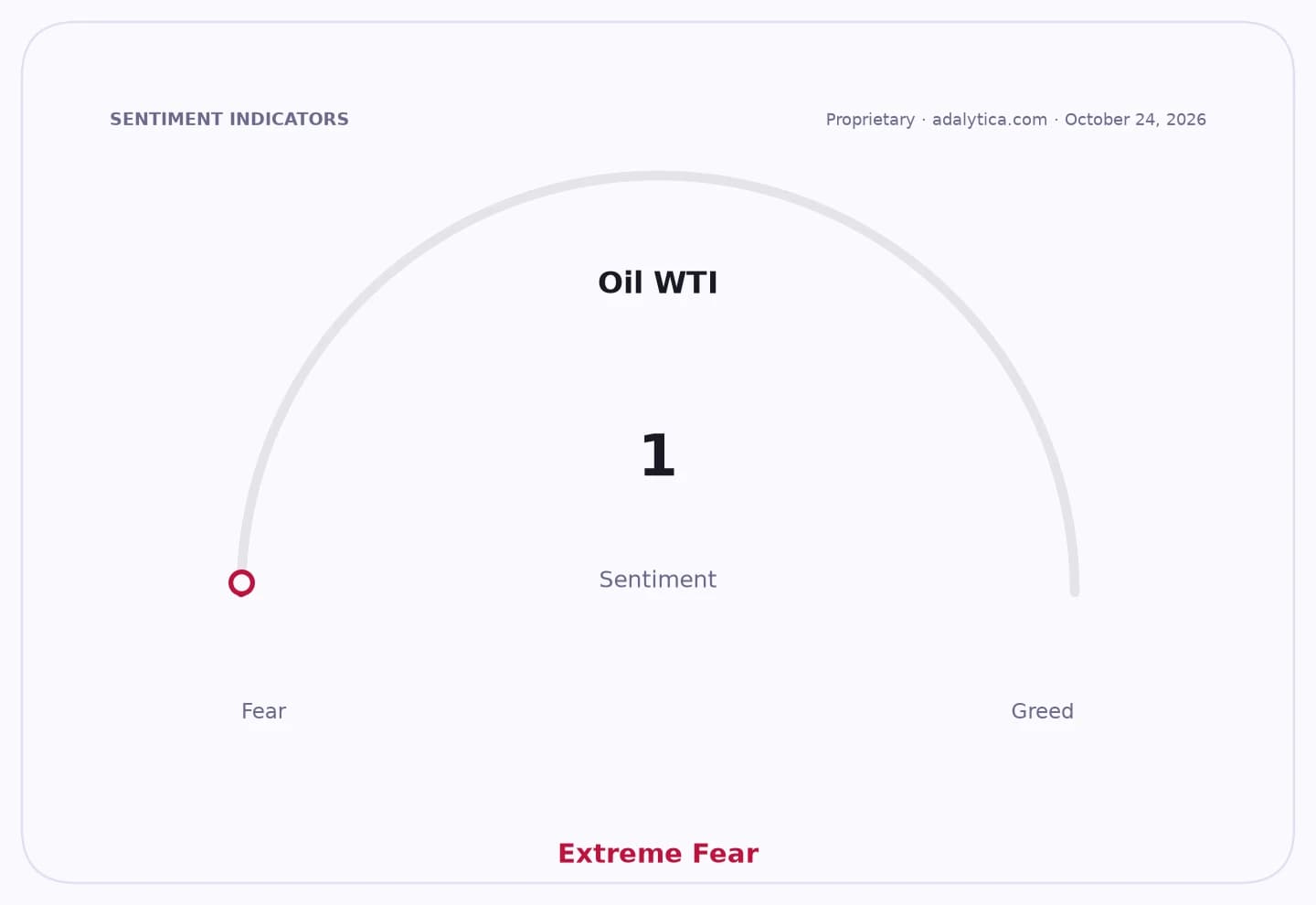
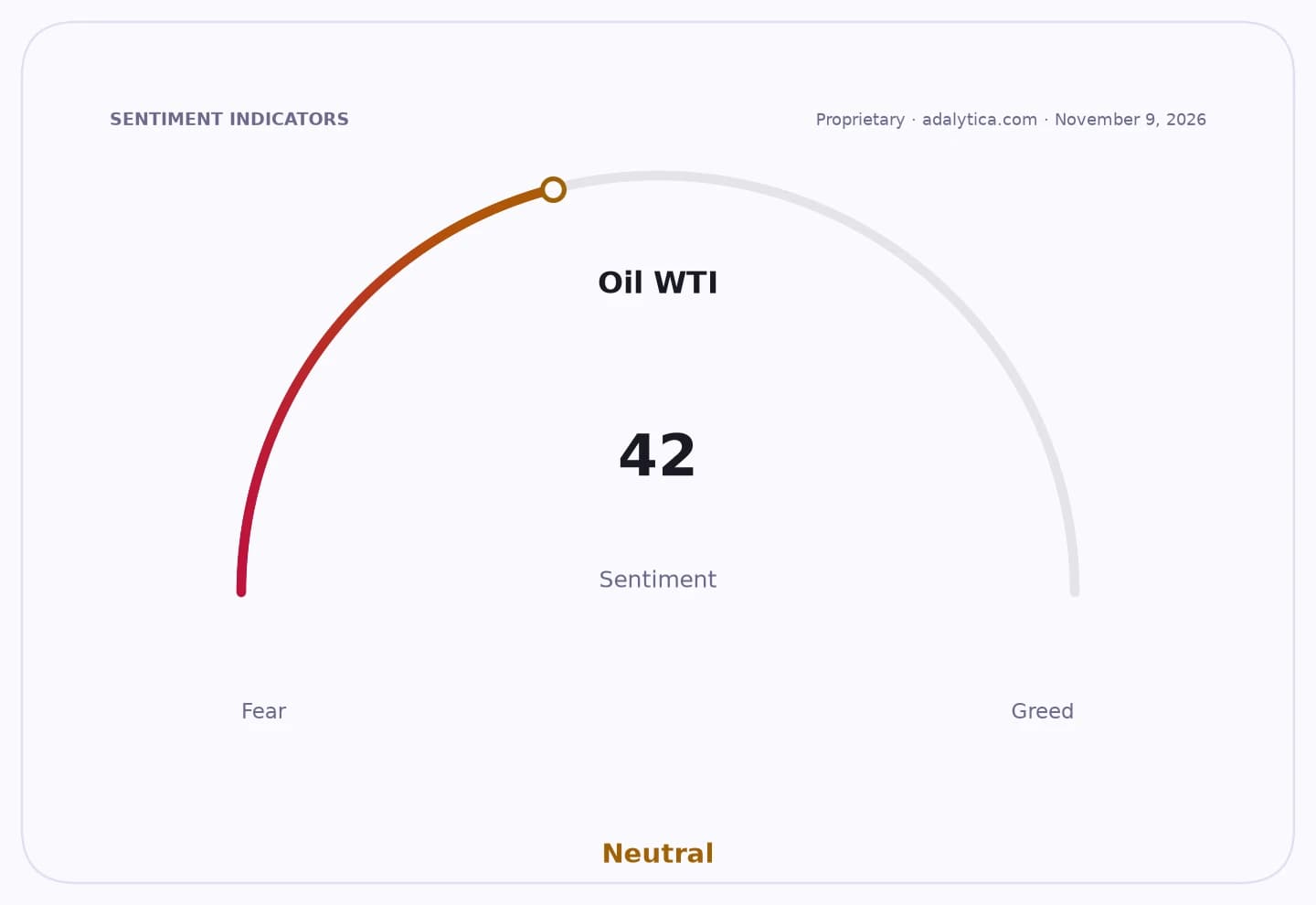
Sentiment Indicators
For energy markets, the immediate takeaway is not necessarily a lost barrel today, but a higher premium for supply uncertainty. Brent and U.S. crude futures have already been volatile, and the latest attack adds to a wave of strikes on Russian refining and logistics infrastructure that could constrain Russia’s ability to move and blend crude even if production itself is less directly hit. Kazakhstan’s brief suspension of flows through the Atyrau-Samara line after the strike also shows how damage at a Russian site can ripple across neighboring producers that rely on the same transit routes.
The wider narrative is straightforward: Ukraine is shifting pressure from Russia’s front line to its energy system. That is a smarter target set for Kyiv because oil infrastructure is central to Moscow’s budget and export earnings. The Samara hub sits near the heart of that system, serving crude from western Siberia, Tatarstan, the Orenburg region and Kazakhstan, and feeding supplies toward Russian refineries and the Druzhba export pipeline. Repeated strikes on the site in October, followed by the latest fire, suggest this is becoming a campaign rather than an isolated hit.
For investors, the implications are mixed. Oil producers outside Russia can benefit from a tighter market if outages intensify, while refiners and fuel consumers face the risk of higher feedstock costs. Energy stocks tied to stable, non-Russian supply chains may look relatively resilient, but the bigger lesson is that geopolitical risk still has the power to reset crude pricing quickly. That means long-term investors should focus less on one day’s move in oil and more on whether infrastructure damage starts to translate into durable supply interruptions.
If the attacks keep coming, Russia may need to divert more resources to defending pipelines, storage and refineries, which would raise costs and complicate exports. For now, the Samara fire is a reminder that in energy markets, infrastructure is often as important as the oil itself — and that makes this a story worth keeping on your watchlist.
| Entity | Gains | Losses |
|---|---|---|
| Ukraine | ▲Pressure on Russia’s oil revenue | ▼None immediately visible |
| Russia/Transneft | ▲— | ▼Export and transport disruption |
| Oil producers outside Russia | ▲Higher crude prices | ▼Volatility in supply chains |
| Refiners and fuel consumers | ▲— | ▼Higher input costs |