Russia’s energy ministry is preparing to force gas stations and other fuel-market participants to feed sales and inventory data into a single state database, a move that would give officials faster visibility into shortages and make the country’s fuel market harder to game.
Russia fuel data database plan targets shortages
That matters because Russia is trying to manage fuel bottlenecks with manual reporting that can arrive late and leave policymakers reacting to stale numbers. In a market where local disruptions can quickly spread, better real-time accounting is not just an administrative upgrade — it is a tool for rationing, enforcement and supply allocation.
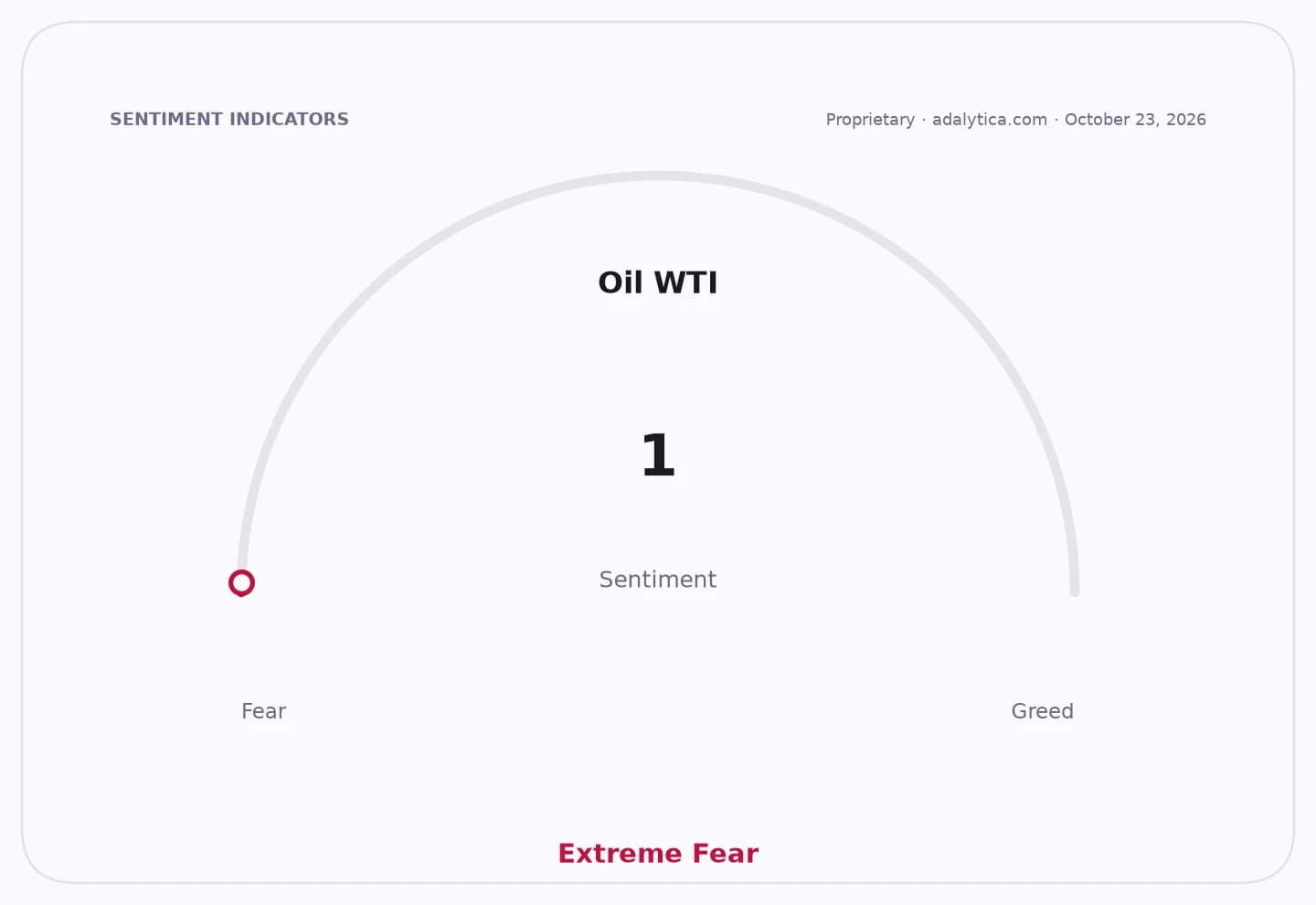
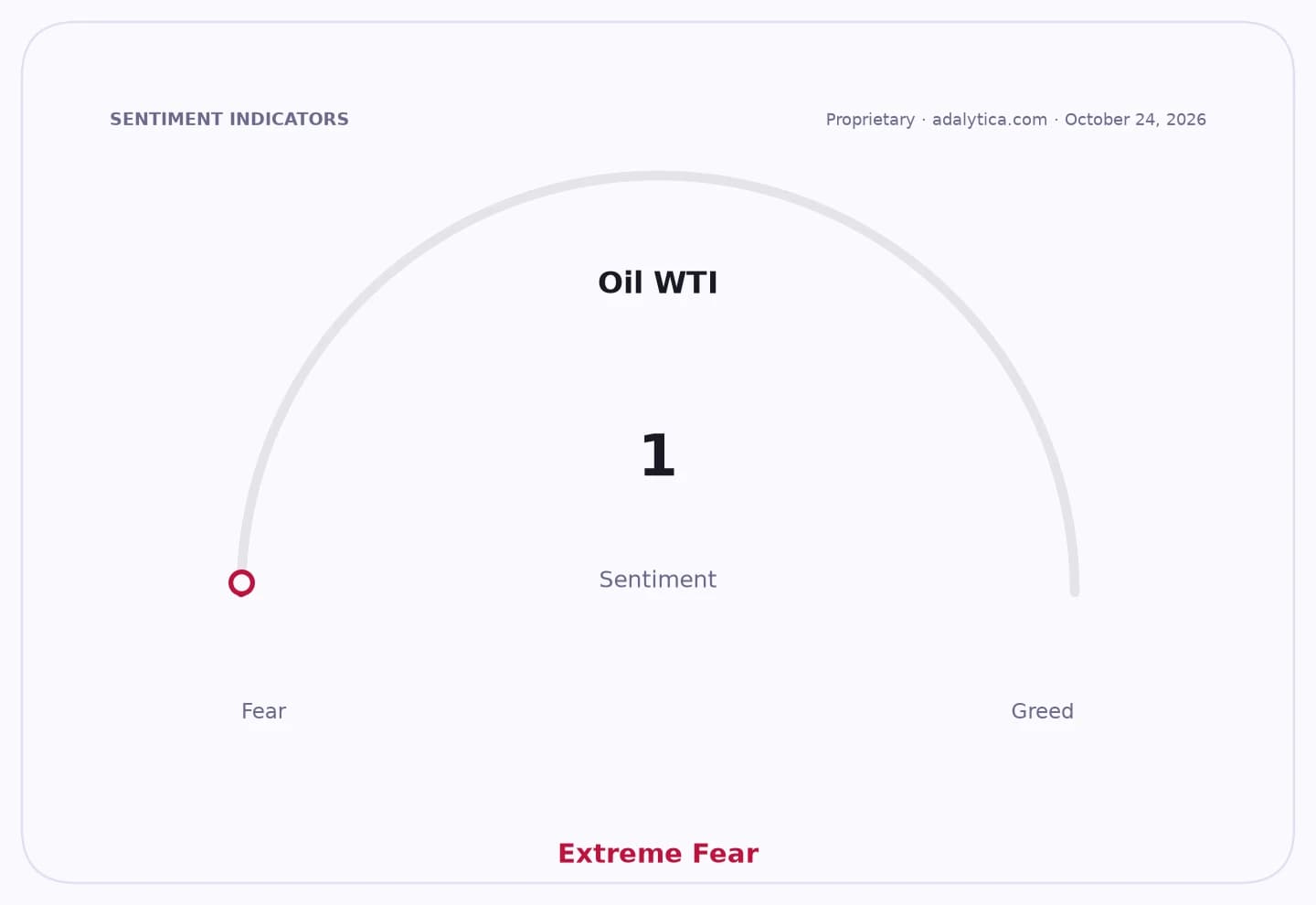
Sentiment IndicatorsⓘProprietary · adalytica.com · October 24, 2026
This is a snapshot — live sentiment, awareness and momentum for 130+ markets update continuously in the dashboard.Open AlphaPulse
The proposed system would route data to the ministry’s Central Dispatch Office for the fuel and energy complex, replacing a patchwork process in which regional information is collected by hand. Officials are weighing legislation that would require station owners and other industry players to transmit sales data automatically, according to comments from Anton Rubtsov, head of the ministry’s oil and gas department, at Russian Energy Week.
For investors, the signal is bigger than bureaucracy. When governments move to centralize fuel data, they are usually trying to stabilize a market under stress. That tends to favor the largest, best-connected suppliers and integrated refiners with stronger logistics, while putting pressure on independent retailers that operate with thinner margins and less room to maneuver. In Russia, independent gas stations make up more than 60% of filling stations but account for only 30% to 40% of fuel sales, which means the most fragmented part of the market is also the hardest to monitor.
The upside for authorities is clearer enforcement. Industry voices say the new database could help regulators spot local shortages sooner, direct deliveries more efficiently and tighten oversight of tax compliance and business activity. It could also improve supply planning for remote regions and strategic sites, even after the current fuel crunch eases.
The model is not new. Officials and experts pointed to systems used in Kazakhstan and parts of Europe, where sensors track fuel flows at stations, depots and refineries. Russia’s vertically integrated oil companies already have similar internal monitoring tools, but those are not shared across the market.
The real investment takeaway is that fuel-data digitization is a classic second-order policy shift: it does not create barrels, but it changes who gets them, how quickly disruptions are seen and how aggressively the state can intervene. That means more operational discipline across the downstream chain and, potentially, a stronger hand for the biggest oil and fuel groups at the expense of smaller, less transparent operators. If you want exposure to the winners of tighter state control over energy logistics, focus on integrated producers, refineries and the infrastructure names that sit closest to the supply chain.
| Entity | Gains | Losses |
|---|---|---|
| Russian authorities | ▲Faster market control | ▼Less reliance on manual data |
| Major integrated oil firms | ▲Better logistics visibility | ▼Less pricing flexibility for rivals |
| Independent gas stations | ▲Tighter supply oversight | ▼Greater compliance burden |
| Fuel consumers | ▲Quicker shortage response | ▼Fewer opportunities to bypass shortages |