Russia’s biggest economic shift is not on the battlefield but in the Kremlin, where Vladimir Putin is handing more power to obedient technocrats to keep financing a grinding war of attrition.
Russia technocrats back Kremlin war economy
That matters because it suggests the war is becoming more sustainable for Moscow, even if it remains costly and corrosive for the broader economy. For investors, the key takeaway is that Russia is no longer trying to win quickly; it is trying to outlast Ukraine with a tightly managed war economy, funded through the budget, domestic banks and a policy mix that prioritizes military spending over growth.
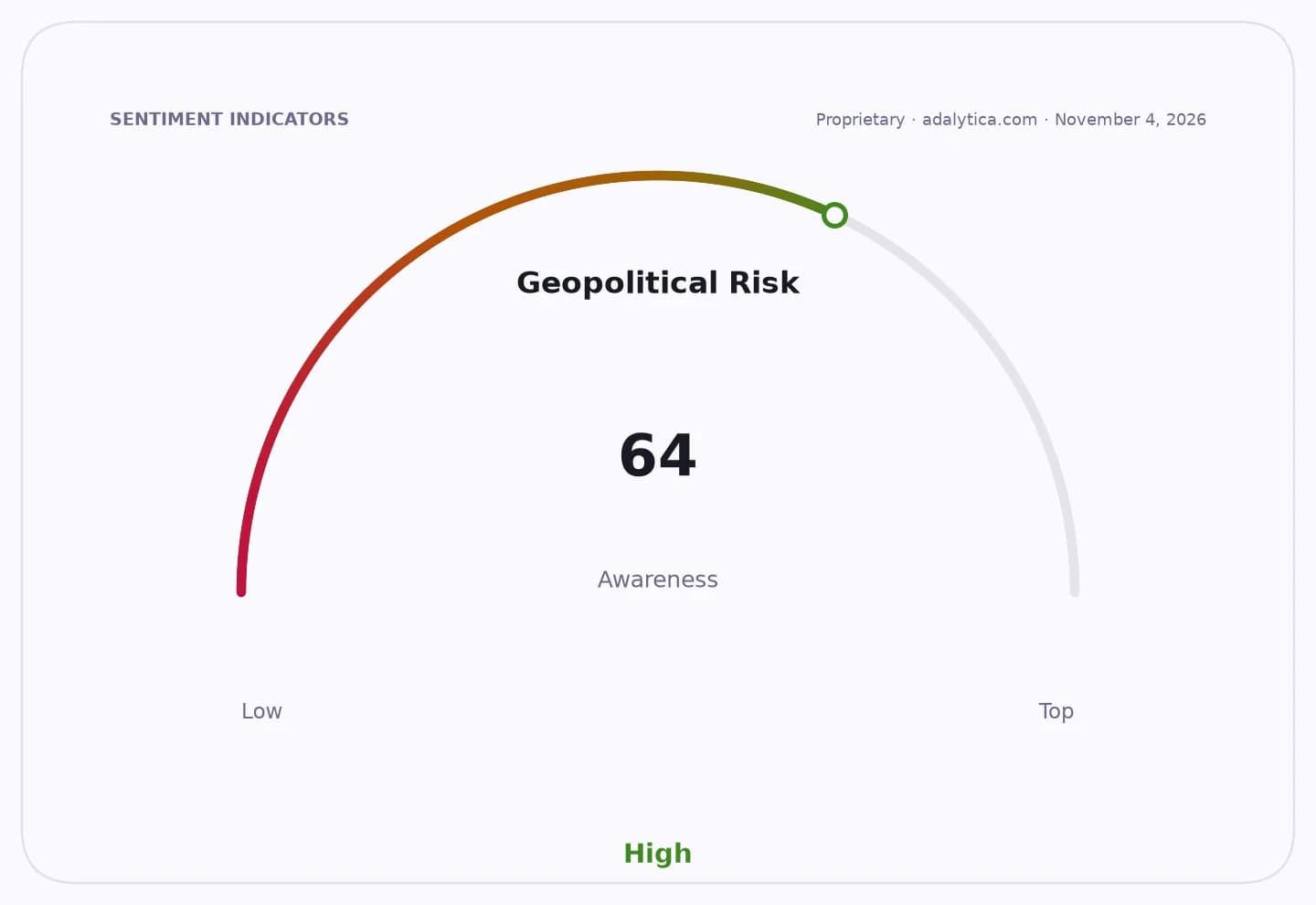
Sentiment Indicators
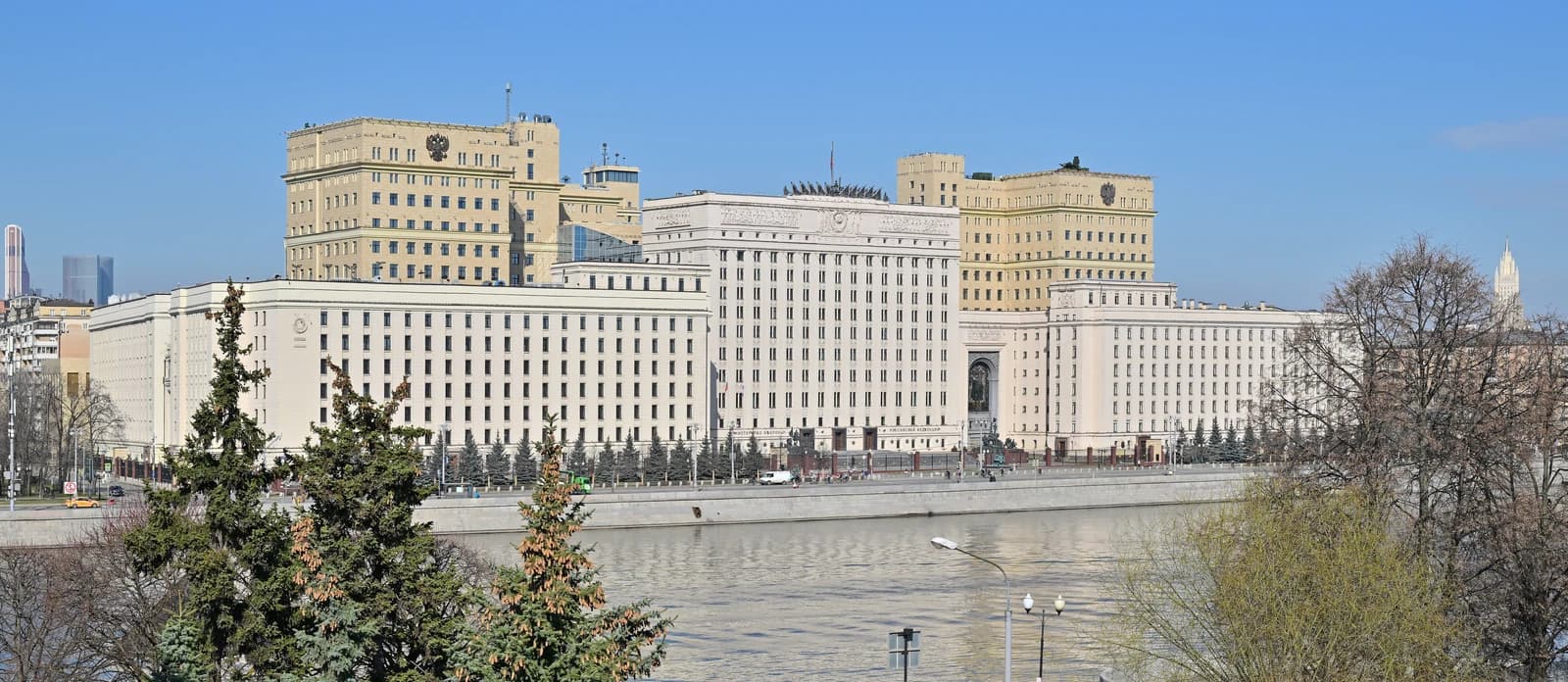
The latest cabinet reshuffle underscores the point. Putin has strengthened Finance Minister Anton Siluanov, elevating him to deputy prime minister while keeping him in charge of the finance ministry, and kept economic aide-turned-Defense Minister Andrei Belousov in place after replacing the scandal-plagued Sergei Shoigu in 2024. Central Bank Chair Elvira Nabiullina remains one of the regime’s most powerful economic managers. Together, they are the people now tasked with making sure the war machine keeps running.
That is not a normal wartime lineup. It is a sign that the Kremlin has moved away from relying on the military brass and the old security elite, and toward officials who can actually balance the books, suppress financial stress and direct resources where Putin wants them. In practical terms, that means more disciplined state spending, fewer open signs of corruption inside the defense ministry and a sharper focus on cash flow than on economic development.
The budget tells the story best. Russia now plans to allocate 44% of federal spending, or about $260 billion, to the military and national security, up from 41% in the 2026 budget. Education, health care, social policy and infrastructure are being crowded out. For an economy with revenues running at only 17%-18% of GDP, that is a heavy burden, even if headline deficits remain modest by international standards.
This is where the technocrats matter. Siluanov and Nabiullina have not made Russia richer; they have made it more durable. The federal deficit is now expected to widen to 3.2% of GDP this year from an earlier target of 1.6%, and to 2.2% next year. But Russia is still borrowing from a captive domestic market, largely through state banks, while public debt remains low at about 20% of GDP. That gives Moscow room to keep fighting, even as higher interest rates and inflation bite.
The catch is that this model is brittle over time. Russia’s central bank rate is 14%, inflation is officially 6.8%, and the country is stuck in stagflation: weak growth, persistent inflation and rising financing costs. Western sanctions continue to squeeze revenues, Ukraine’s strikes on oil refineries are cutting into energy income, and China is not filling the gap with meaningful financial support.
Oil is still the swing factor, but even there the picture is mixed. WTI crude has been volatile, recently around $148 a barrel after a sharp run-up and pullback, while Adalytica’s oil trade signals show sentiment at 39, neutral, with awareness at 21, a fear reading. For exporters and energy producers, elevated oil prices can cushion the blow from geopolitics. For Russia, they help at the margin — but they do not solve the structural problem of a war budget funded by a narrow revenue base.
The broader market implication is that Putin appears committed to a long conflict, not a negotiated exit. That raises the risk of recurring energy shocks, sanctions pressure and military spending distortions that could keep global investors cautious about Europe, commodities and defense-linked assets. Gold, meanwhile, has held up as a classic geopolitical hedge, even as the yellow metal’s technical momentum has cooled from earlier highs.
For long-term investors, the important lesson is that Russia’s war economy is being managed, not healed. A more competent Kremlin may be more dangerous in the near term because it can sustain the war longer. But the same model also deepens Russia’s dependence on repression, banks and state-directed spending — all of which weaken the economy’s long-run earning power.
If you invest with a multiyear horizon, this is a reminder to focus on durable businesses and diversified portfolios, not headlines. Russia can keep funding the war for now, but the costs are accumulating beneath the surface. That makes the situation worth watching, especially for anyone exposed to energy, defense, emerging markets or Europe-linked risk.
| Entity | Gains | Losses |
|---|---|---|
| Putin’s technocrats | ▲More power and policy control | ▼Military and old security clans |
| Russia’s war effort | ▲Reliable financing and tighter management | ▼Civilian investment and living standards |
| State banks | ▲More lending volume to government | ▼Balance-sheet risk and weak returns |
| Energy exporters outside Russia | ▲Higher geopolitical risk premiums | ▼Importers and energy consumers |