Russian households are absorbing some of the sharpest utility-price increases since the start of the war, forcing families to cut food spending and underscoring how Moscow’s wartime economy is feeding through into daily life.
Russia Utility Bills Rise, Pressure Households and Inflation
Electricity, heating and water bills have risen by more than 50% since Russia invaded Ukraine, according to the Reuters reporting that showed the latest round of tariff hikes hit after a delayed October reset. For some families, the jump is now large enough to rival or exceed monthly wage advances, sharpening the pressure on already stretched consumers.
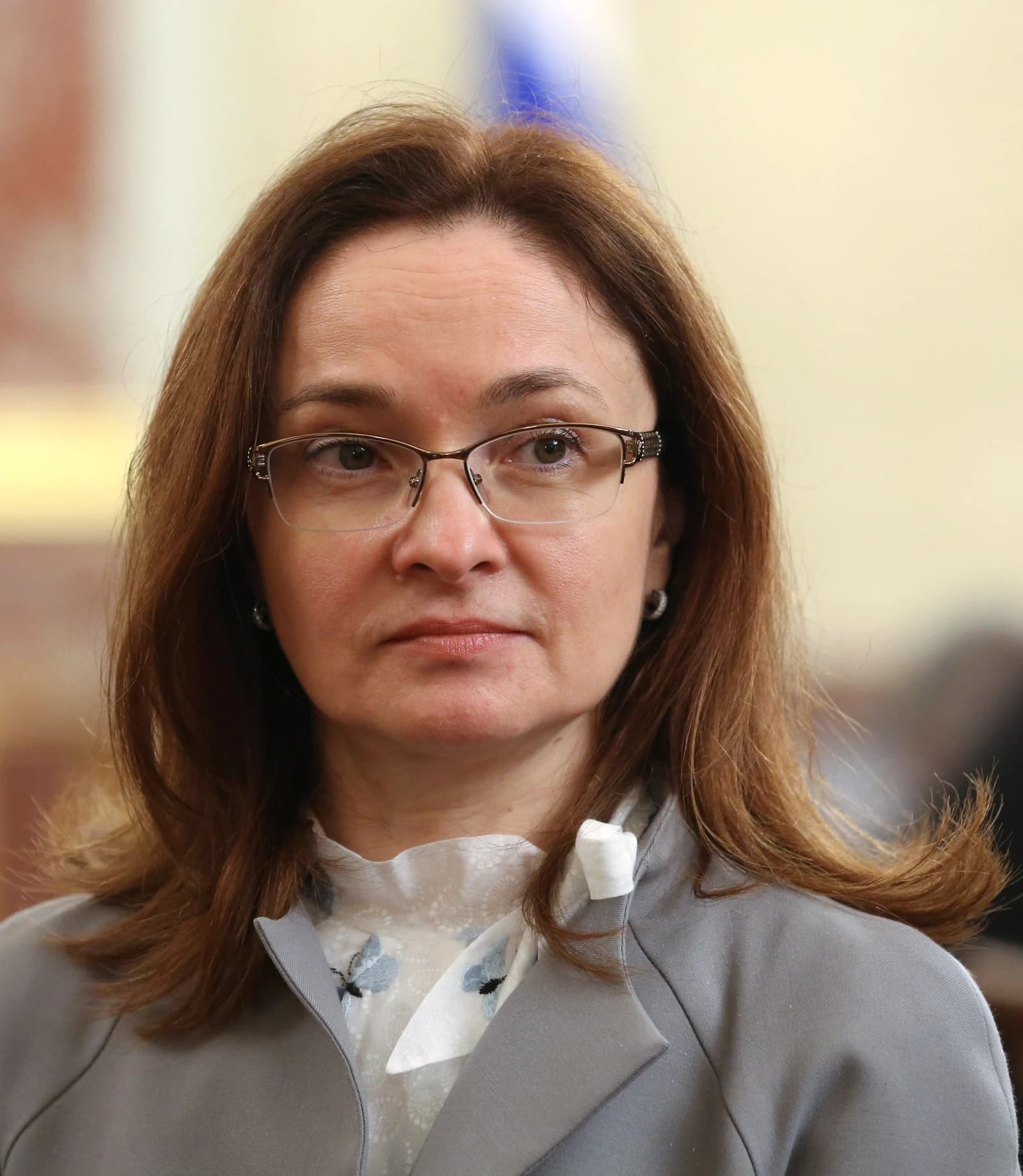
That matters for the broader economy because utility costs are a direct input into inflation and household purchasing power. Russia’s central bank has kept its benchmark rate at 14% in an effort to contain price growth without choking activity, while Governor Elvira Nabiullina has warned the higher bills could push up inflation expectations, which are already at a two-year high.
The timing has also become politically sensitive. This year’s tariff increases were postponed until Oct. 1, after September parliamentary elections, but the delay merely front-loaded the pain into the autumn, when some of the biggest rises in years took effect. The policy also comes as Russia grapples with war-related fiscal strains, labor shortages and more expensive fuel, all of which are keeping inflationary pressure elevated.
For consumers, the squeeze is immediate. Polina Ibragimova, a 34-year-old Moscow history teacher and mother of two, said her latest utility bill reached 12,000 rubles, about $150, roughly a quarter higher than in summer and more than her monthly advance salary payment. She said she has already begun economizing on food, stretching a chicken into multiple meals and considering extra tutoring work to bridge the gap.
The strain is also spreading to small businesses, which are facing higher utility charges on top of taxes and operating costs. Bar owner Anastasia Zapoteeva said the increases are especially painful for newly opened venues, while Communist Party leader Gennady Zyuganov and State Duma Speaker Vyacheslav Volodin have both publicly criticized the sharp rises, signaling growing political discomfort with the price shock.
Investors should watch the fallout through the lens of Russian inflation, consumer demand and monetary policy. The central bank now sees inflation at 7.1% to 7.6% in 2026, still well above its 4% target, and its next rate decision on Dec. 18 will be judged against a consumer backdrop that is deteriorating rather than easing.
| Entity | Gains | Losses |
|---|---|---|
| Russian utilities/regions | ▲Higher tariff revenue | ▼Public backlash |
| Central bank of Russia | ▲Clearer anti-inflation case | ▼Weaker consumer demand |
| Households | ▲None | ▼Higher bills, less food spending |
| Small businesses | ▲None | ▼Higher operating costs |