Inflation is reshaping what Russians should consider a “decent” pension, with the country’s public financial-planning advice now explicitly warning that retirement income has to be judged by purchasing power rather than the nominal ruble amount.
Russia pension advice shifts to purchasing power

That matters because even moderate inflation compounds quickly over a retirement horizon, forcing households to save more, delay spending plans or rely on extra income beyond the state pension. Oksana Galyuta, an economist and expert at the Kremlin-backed “Russia — Land of Opportunity” platform, said a pension that looks adequate today may fall short in future living standards once prices rise. Using a hypothetical annual inflation rate of 4%, she said 50,000 rubles a month today would need to rise to about 74,000 rubles in 10 years and roughly 110,000 rubles in 20 years to preserve buying power.
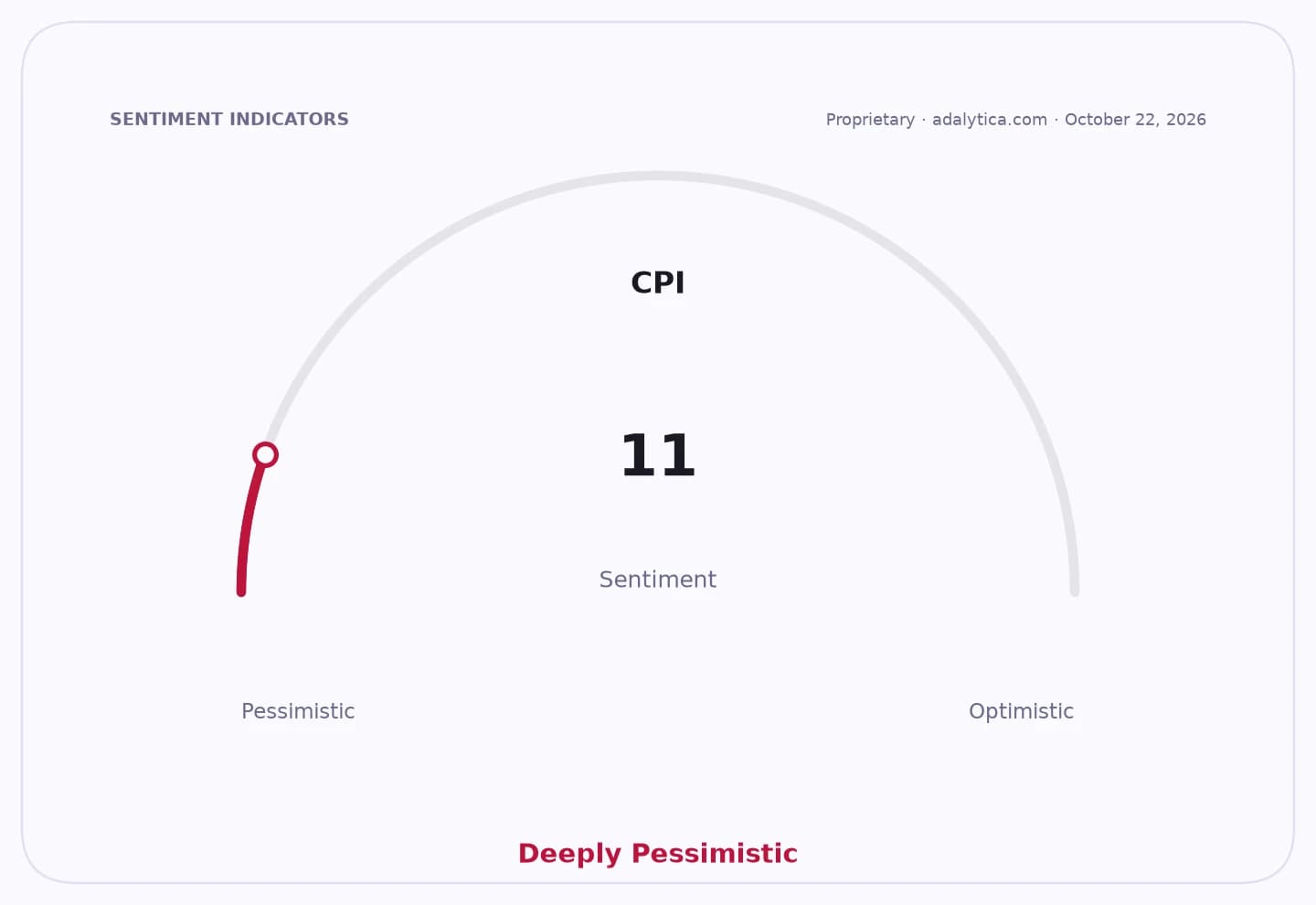
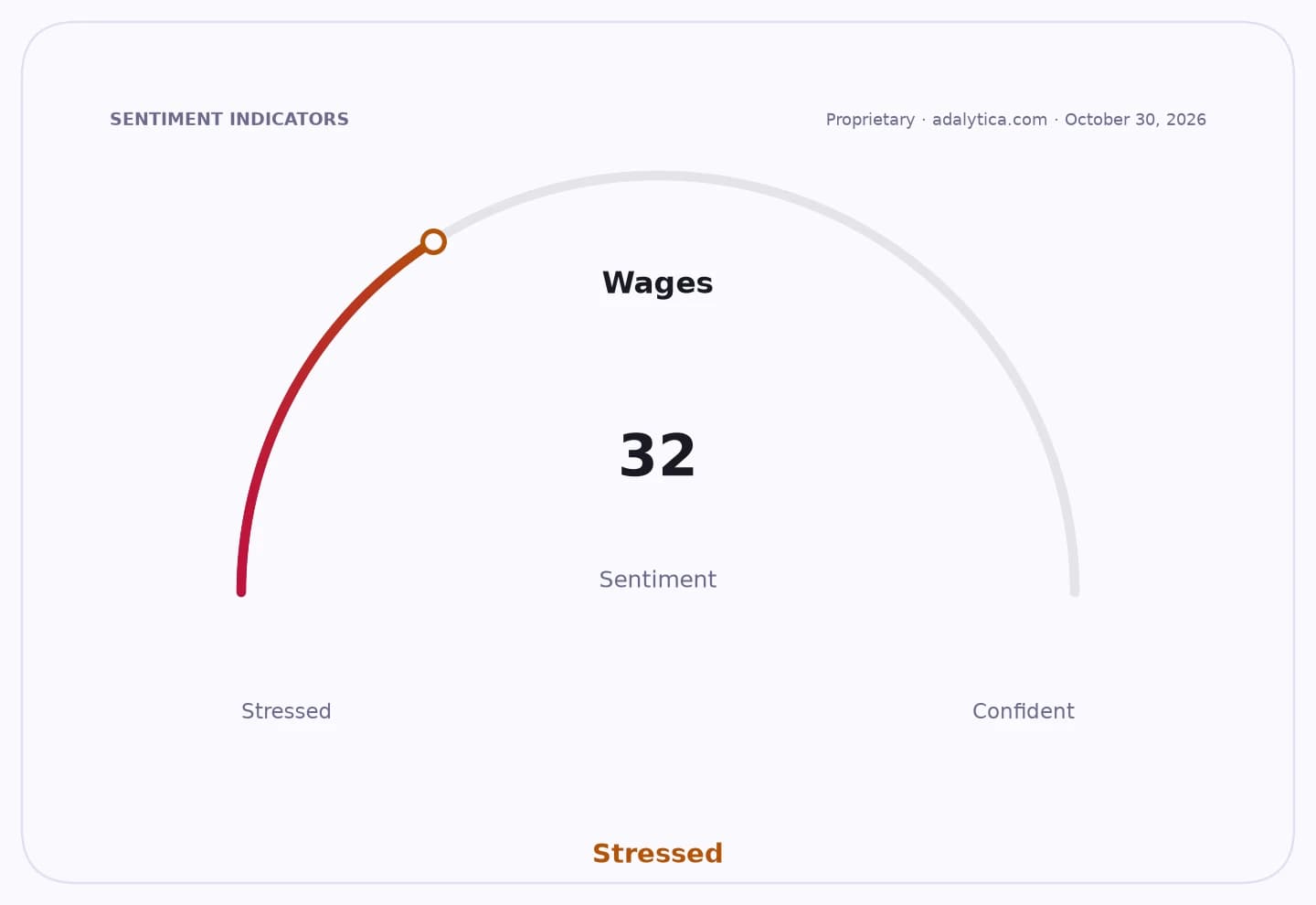
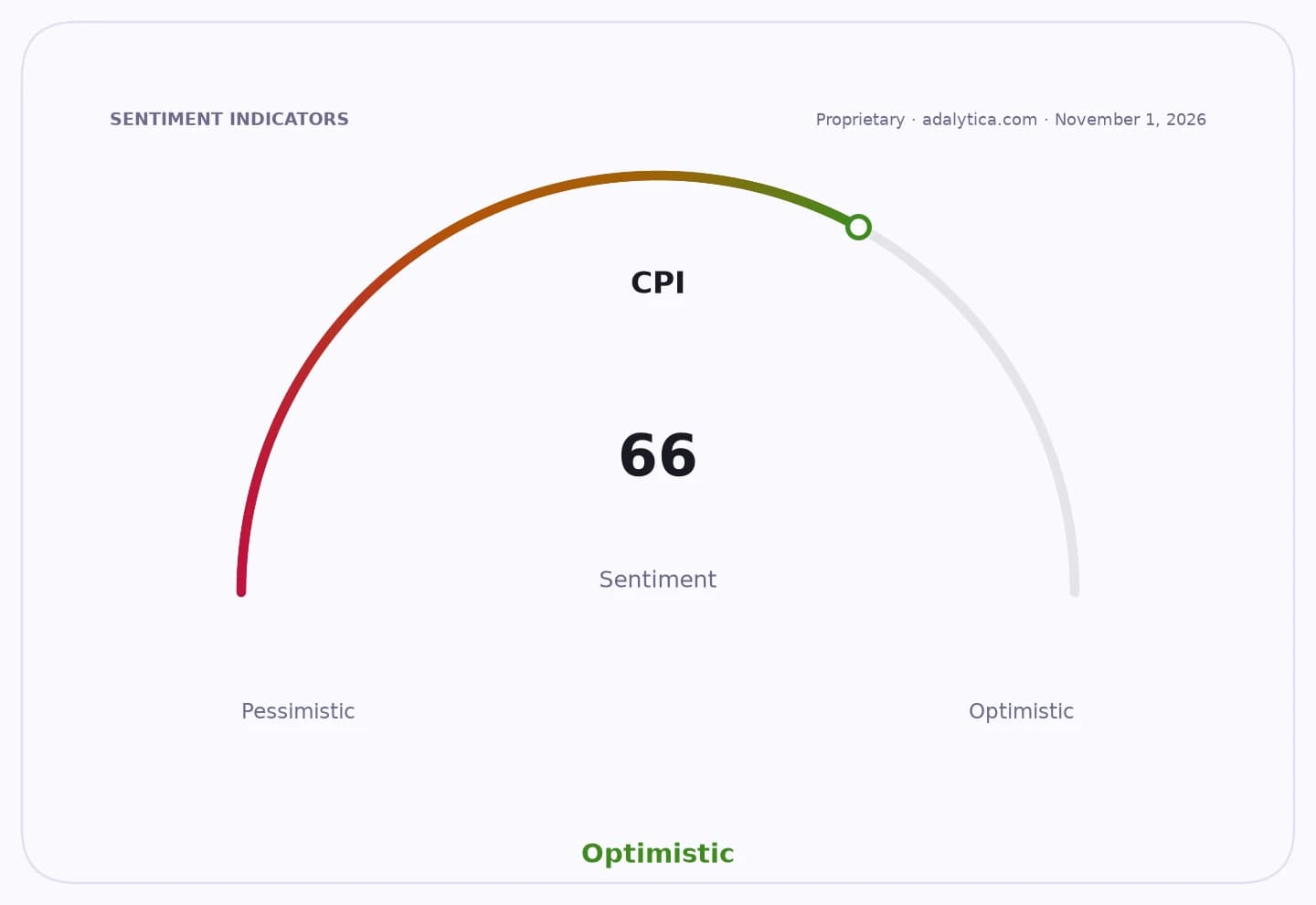
Sentiment Indicators
CPI
The numbers were presented as an illustration rather than a forecast, but they capture a broader policy and household reality: indexation alone does not eliminate inflation risk for retirees. Russia’s insurance pensions are adjusted under law, yet that mechanism only partly protects people whose expenses rise faster than benefits or whose savings are held in cash-like assets with weak real returns.
The message also lands against a backdrop of still-elevated price pressures in Russia and a ruble that has been volatile this year, both of which complicate long-term financial planning. A weaker currency typically raises imported-cost inflation and can quickly feed through to consumer prices, eroding the real value of savings and fixed incomes. For retirees, that is especially important because they are among the most exposed to the mismatch between nominal payments and day-to-day living costs.
For investors, the story is a reminder that inflation remains a portfolio issue, not just a macro headline. Persistent price growth tends to favor assets with inflation protection, real yields or hard-currency exposure, while penalizing cash balances and long-duration local purchasing power. It also reinforces demand for private pensions, long-term savings products and assets tied to wage or price growth if households increasingly seek to protect retirement standards.
The broader narrative is straightforward: Russia’s retirement debate is shifting from “how much will the state pay?” to “what will that money buy?” That change is economically significant because it alters household saving behavior, raises pressure on financial institutions to offer inflation-aware products, and keeps the real value of pensions at the center of consumer confidence.
For policymakers, the risk is that nominal indexation may be seen as insufficient if inflation stays sticky. For savers, the lesson is that retirement planning in rubles increasingly requires a real-return strategy, not just a target balance.
| Entity | Gains | Losses |
|---|---|---|
| Retirees with inflation-aware savings | ▲Preserve purchasing power | ▼Cash-heavy households |
| Private pension and savings products | ▲Higher demand | ▼State pension alone |
| Inflation-linked or hard-asset holders | ▲Real-value protection | ▼Fixed nominal incomes |
| Russian consumers broadly | ▲Better planning discipline | ▼Real household budgets |