India’s retirement savings body is expected to discuss a long-running demand to raise the minimum monthly pension under the Employees’ Pension Scheme to Rs 7,500, but no final decision has been made ahead of its November 19 trustee meeting.
EPFO to discuss Rs 7,500 minimum pension hike
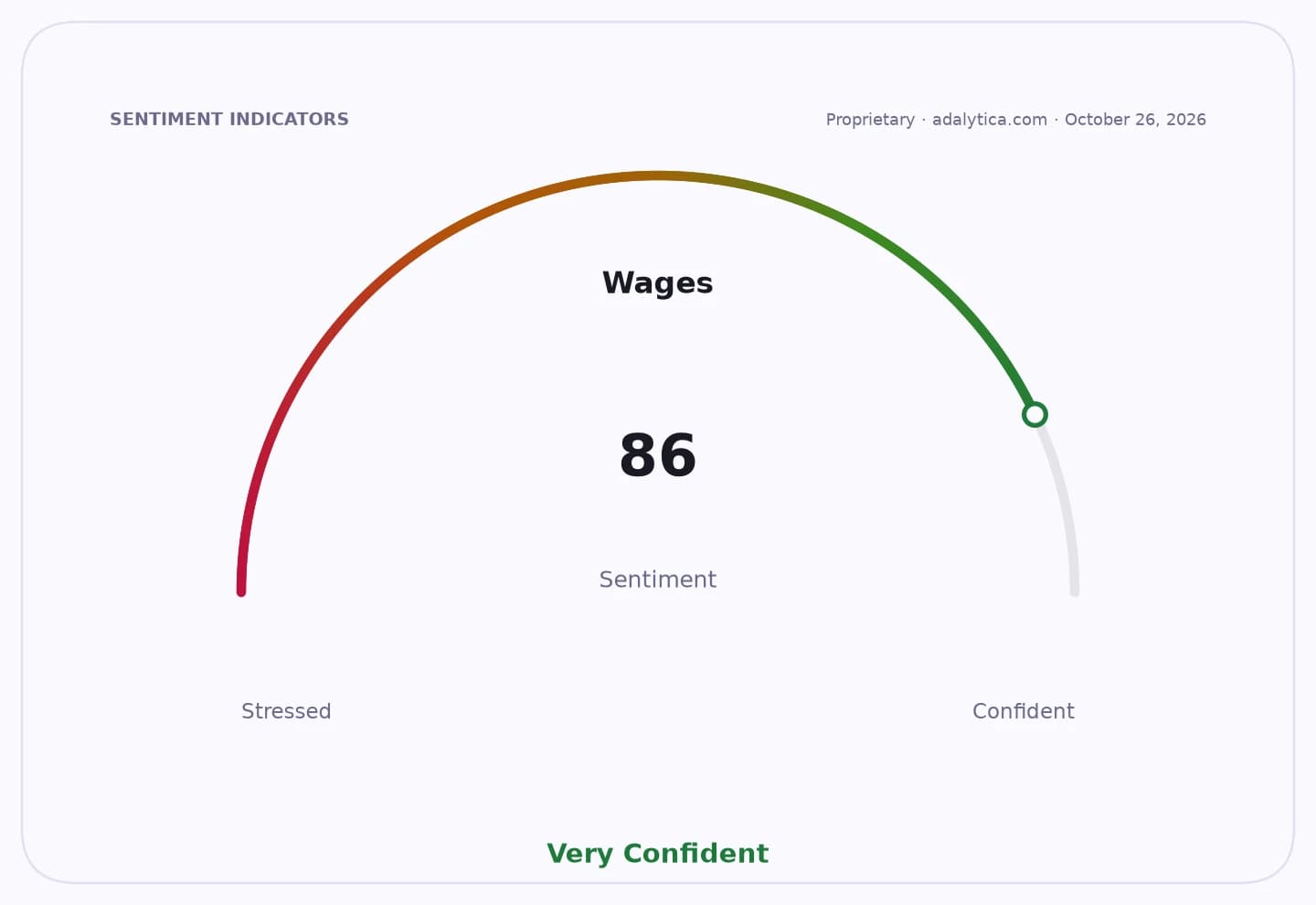
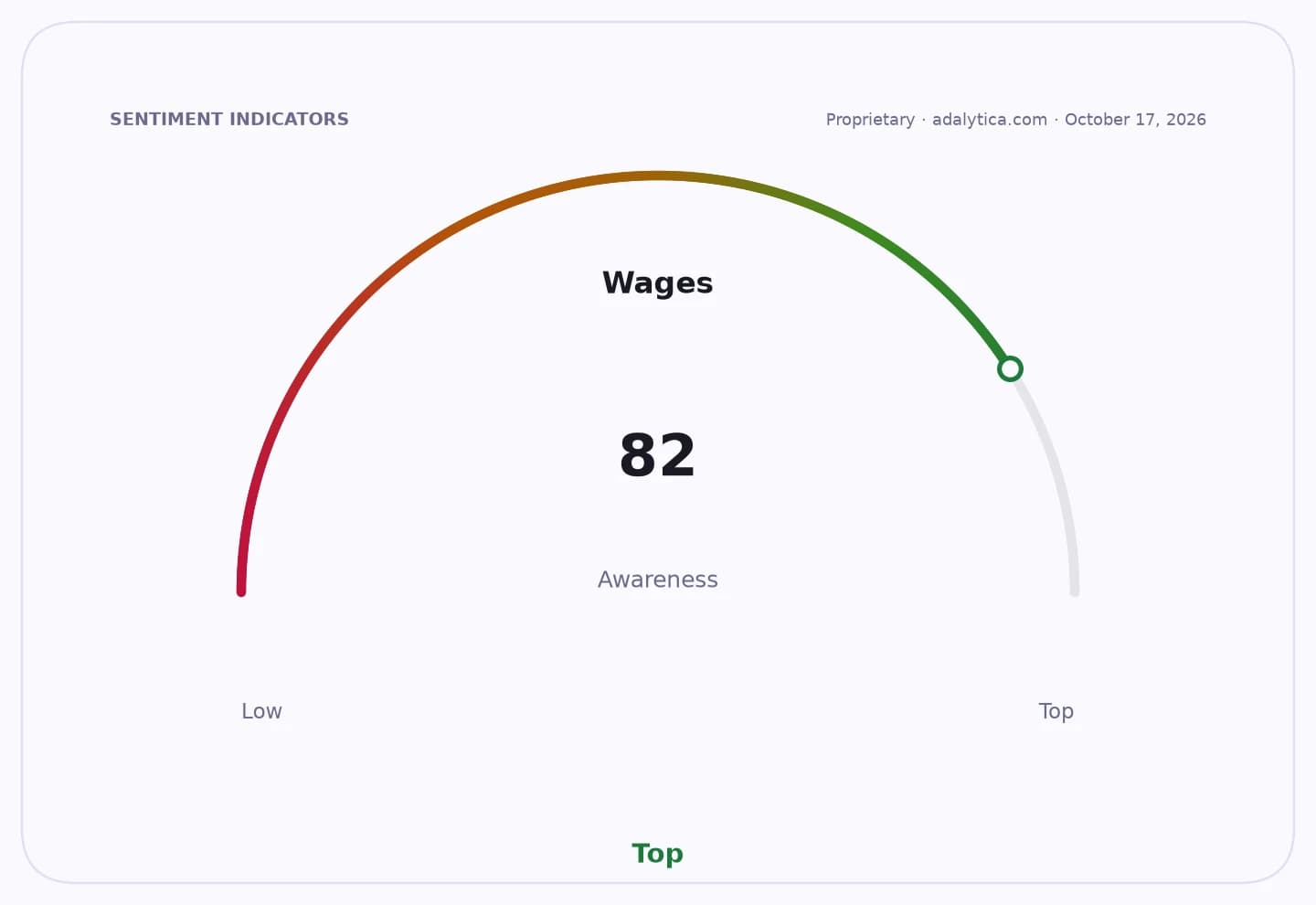
Wages
The issue matters because the current EPS-95 floor of Rs 1,000, unchanged since September 2014, has been overwhelmed by years of utility and food inflation, leaving many retirees dependent on a payout that no longer covers basic expenses. Pensioners and worker groups have also pushed for dearness allowance on top of the minimum benefit, arguing the plan has fallen far behind living costs.
Sentiment Indicators
The Central Board of Trustees of the Employees’ Provident Fund Organisation is scheduled to hold its 240th meeting in Gujarat’s Gir, where the pension question may come up. For investors and employers, the debate points to a potential rise in funding pressure on the pension system and, by extension, higher costs if the government decides to expand benefits without a corresponding increase in contributions or corpus support.
That makes the size of the pension corpus central to the outcome. Officials will have to weigh whether the fund can absorb a large jump from Rs 1,000 to Rs 7,500 a month, especially if the plan also includes inflation-linked adjustments. If approved, the change would be a meaningful social relief measure for millions of low-income retirees; if delayed again, it would underline the strain inflation is putting on fixed pensions and household purchasing power.
For markets, the immediate impact is indirect but important. Any higher pension obligation could affect government finances and the broader cost calculus around welfare commitments, while pensioners would gain a clearer floor for consumption spending. The November 19 meeting will be the key catalyst, with the agenda and any funding proposal likely to determine whether the demand moves from political pressure to policy action.
| Entity | Gains | Losses |
|---|---|---|
| EPS pensioners | ▲Higher monthly income | ▼Erosion from inflation persists |
| EPFO / CBT | ▲Policy relief if approved | ▼Funding and actuarial pressure |
| Government | ▲Social welfare credibility | ▼Higher fiscal burden |
| Employers / contributors | ▲Stability if no hike | ▼Potential higher contribution costs |