Russia’s lower house has given first reading approval to a government bill that would require pension authorities to index overdue insurance pensions and fixed payments when courts order them paid late, a move aimed at preserving retirees’ purchasing power against inflation.
Russia Duma backs overdue pension indexation bill
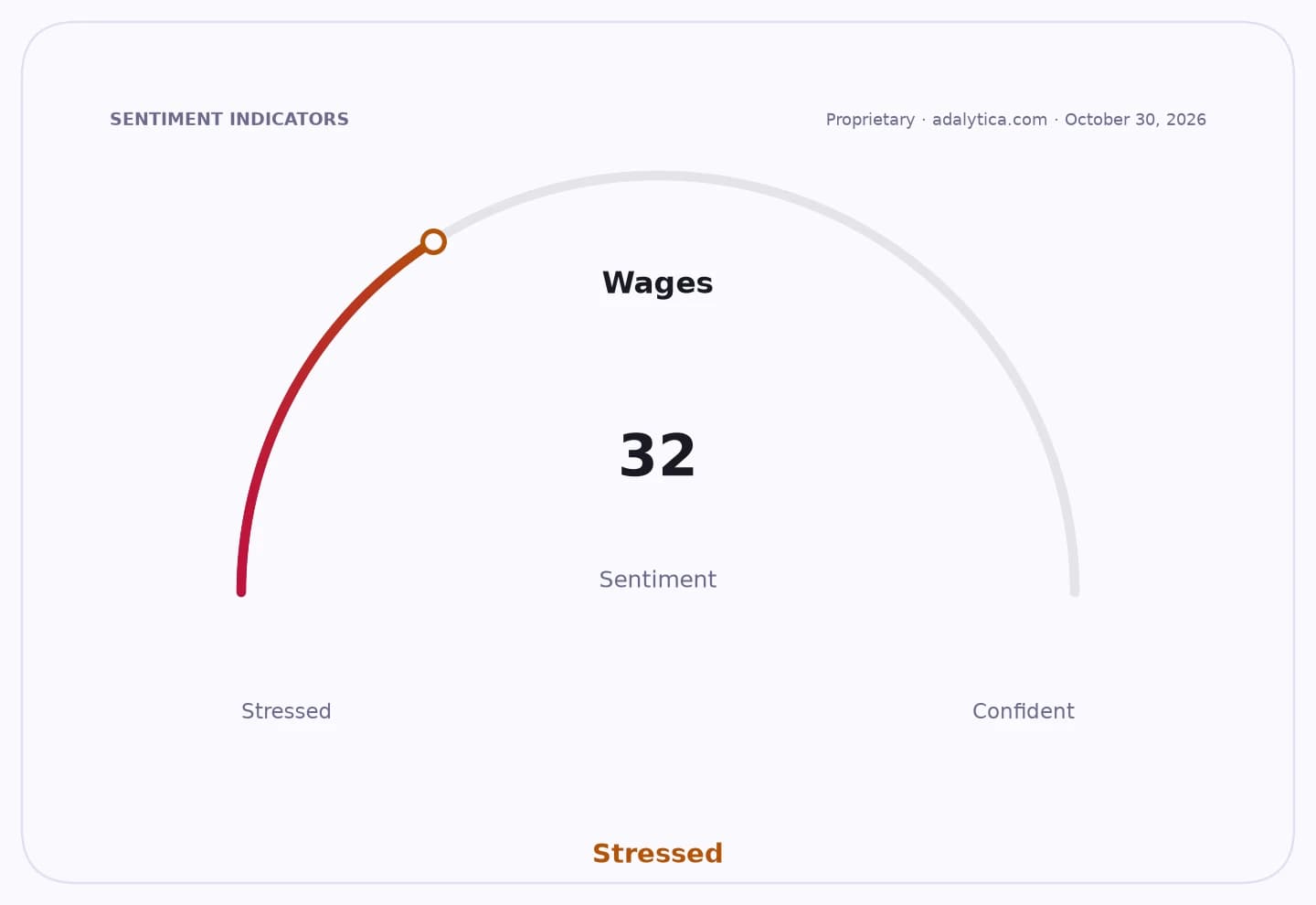
Wages
The change matters because it turns delayed pension payments into inflation-protected obligations, raising the cost to the state when it misses deadlines. For pensioners, it closes a gap that can otherwise erode the real value of court-awarded benefits between the ruling and actual payment.
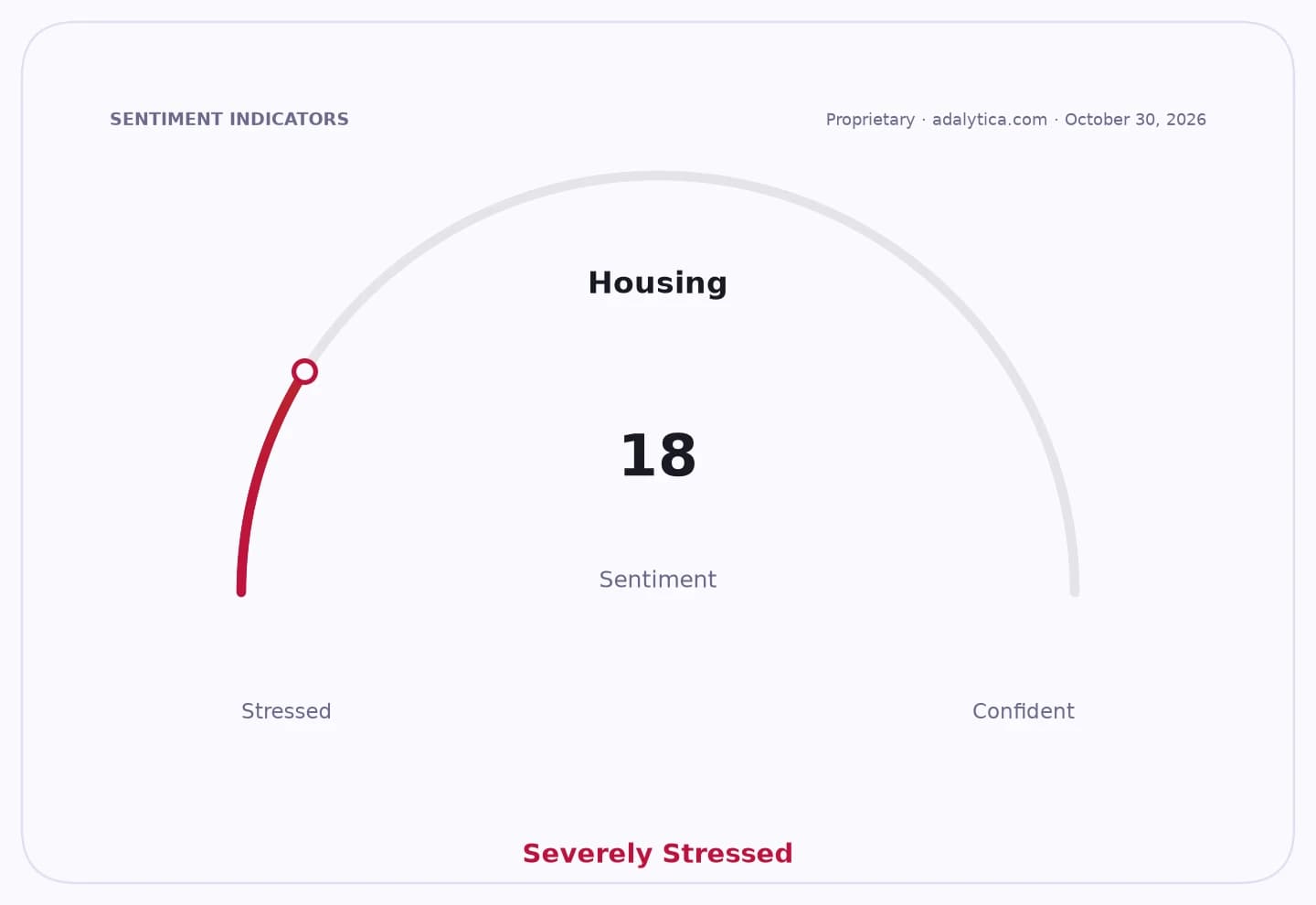
Sentiment Indicators
The bill would amend the federal law on insurance pensions and apply from the first day after the month following the court decision taking legal effect, provided no extra information is needed from the applicant. In practice, that gives the Pension Fund and related agencies little room to delay once the ruling is final.
The measure comes as Russia continues to manage pension payments under pressure from prices and budget demands. Inflation remains a central political and economic issue, with consumer prices still shaping public expectations and the real income of retirees, one of the country’s most vulnerable groups.
For investors, the direct market impact is limited, but the policy reinforces a broader theme: social spending is becoming more tightly linked to inflation, which can keep fiscal outlays elevated even if headline price growth eases. That matters for sovereign risk, bond supply and the government’s room to maneuver on other priorities.
The State Duma’s approval is only the first step, but the signal is clear: delayed pension obligations will no longer be treated as static sums. If the bill clears the remaining stages, pension authorities will face a more expensive standard for late payments just as Russia prepares for another round of pension adjustments in 2027.
| Entity | Gains | Losses |
|---|---|---|
| Pensioners | ▲Inflation-protected back pay | ▼Erosion from delays |
| Russian state pension system | ▲Clearer payment rules | ▼Higher fiscal costs |
| Russian government | ▲Social-policy credibility | ▼Budget flexibility |
| Bondholders / investors | ▲More policy clarity | ▼Potentially higher state spending |