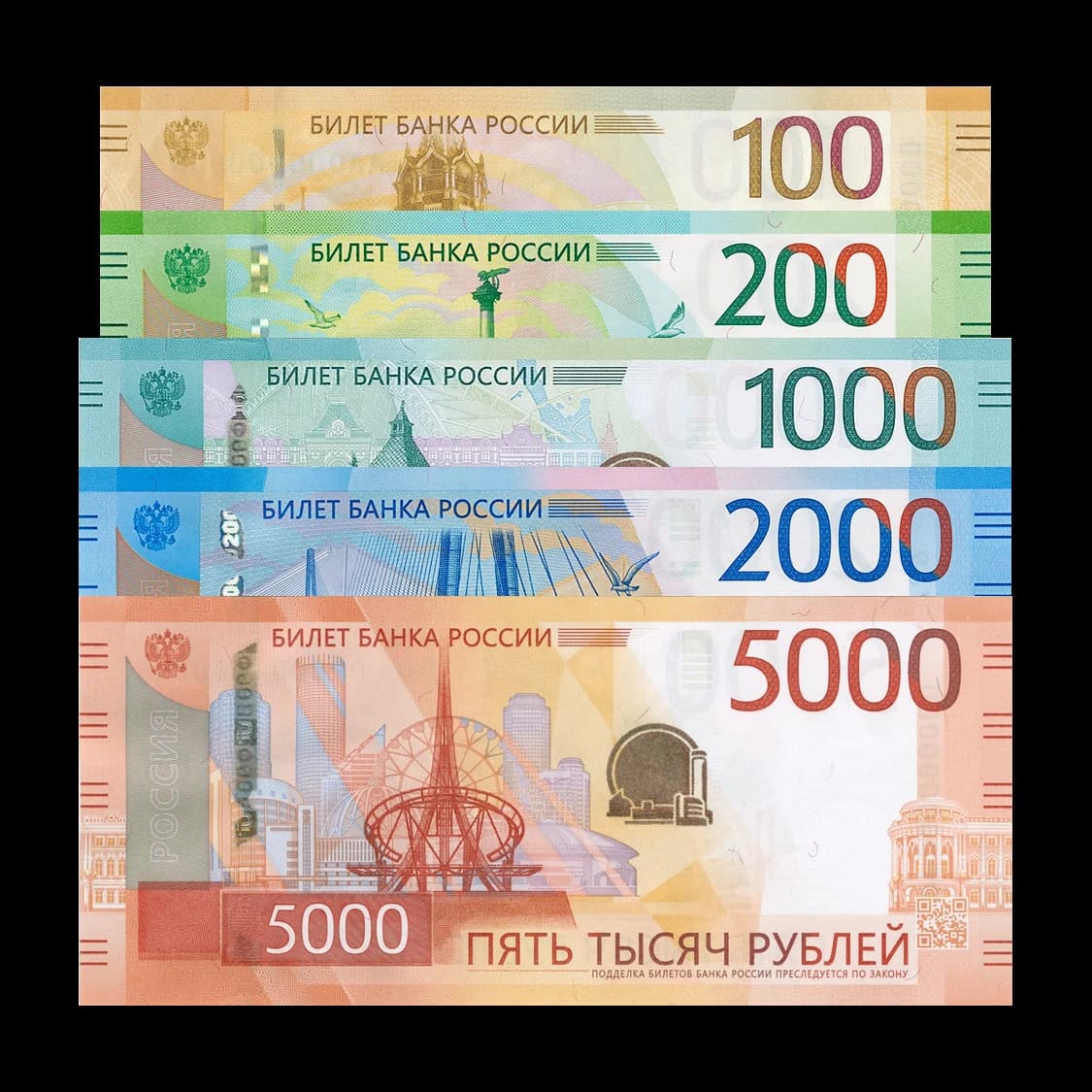
Russia’s inflation problem is proving sticky enough to keep the Bank of Russia on guard, even after the pace of weekly price growth eased and annual inflation slipped to 7.15%.
Russia inflation stays sticky as rate stays at 14%
That matters because the central bank is signaling that one soft reading does not make a trend. By holding its key rate at 14% and lifting its inflation outlook to 7.1% to 7.6%, policymakers are acknowledging that price pressures are still running well above target and could stay that way for months. For the economy, that means borrowing costs remain high, credit stays tight and consumer demand is likely to cool further. For investors, it reinforces the case for a prolonged period of restrictive monetary policy, weaker growth and continued pressure on companies that depend on domestic spending.
The Bank of Russia’s caution is understandable. Weekly inflation slowed to 0.05%, but officials still expect wholesale inflation to top 12% and retail inflation to stay near 6% in October. That combination suggests firms are still facing elevated input costs even if the consumer price pace has eased for now. In other words, inflation may be decelerating, but it is not disappearing.
The wider macro picture is just as important. Russia’s growth outlook is also being marked down, which is the classic problem of stagflation-lite: slower growth without a clean victory over inflation. When central banks are forced to keep rates elevated even as activity weakens, it becomes harder for households, businesses and the government to find relief. That tends to squeeze smaller companies first, then filter into employment, investment and credit quality.
For long-term investors, the key takeaway is that Russia’s policy mix remains defensive rather than supportive. A 14% rate in an economy already wrestling with inflation is a signal that monetary conditions will stay restrictive, and that usually favors savers and exporters more than borrowers and domestically focused businesses. If inflation continues to prove stubborn, the central bank may have to keep rates high for longer than many hope.
That makes this a story worth watching, not for a quick trade, but for what it says about Russia’s economic path over the next several quarters: slower growth, tight money and a still-fragile inflation fight.
| Entity | Gains | Losses |
|---|---|---|
| Savers / ruble holders | ▲Higher yields, some inflation buffer | ▼Real returns still eroded |
| Borrowers / consumers | ▲Lower inflation eventually | ▼High rates, weaker credit |
| Exporters | ▲Relative pricing support | ▼Slower domestic demand |
| Domestic retailers / lenders | ▲— | ▼Tight money, softer spending |