Russia’s plan to bring inflation back to 4% by 2027 is looking less convincing as the Accounts Chamber warned that a weaker ruble, firmer demand and higher regulated tariffs could keep price growth elevated longer than the government expects.
Russia inflation target faces delay to 2027
That matters because the 4% target sits at the center of Moscow’s macro framework: if inflation does not slow as projected, the central bank may have to keep monetary policy tight for longer, slowing credit, investment and broader business activity. It would also raise budget costs through higher debt servicing and larger inflation-linked social spending.
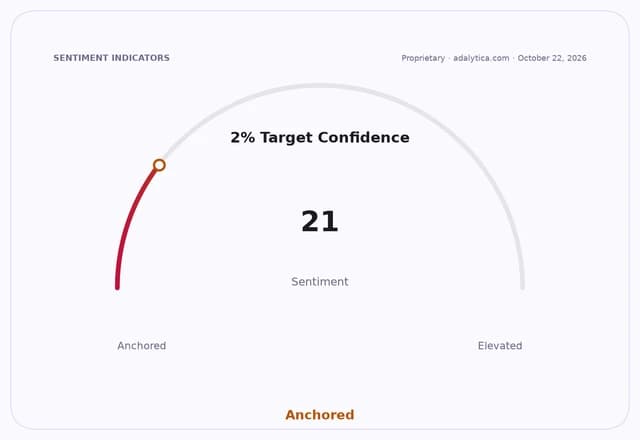
The warning comes as annual inflation is still running at 7.2%, with the Economy Ministry expecting only a modest easing to 6.8% by year-end. The ministry’s base case still assumes inflation will fall to 4% in 2027, but the Accounts Chamber said that path could be disrupted by exchange-rate weakness, the rebound in imports, rising consumer demand and tariff adjustments.
Inflation expectations are another risk. The central bank said in September that Russians’ expectations of price increases over the next 12 months rose to 14.2%, a level that can itself reinforce inflation through stronger precautionary buying, faster wage demands and weaker household saving in rubles. That feedback loop makes disinflation harder and means the central bank may need to lean on rates for longer than policymakers would like.
The market implications are straightforward. A slower return to target would support a higher-for-longer rate environment, weighing on borrowers, construction and other interest-sensitive sectors while keeping pressure on domestic demand. It would also reinforce the case for a more cautious fiscal stance, because any prolonged inflation overshoot raises the cost of servicing state debt and indexing benefits.
For investors, the key question is not whether inflation falls at all, but whether the disinflation path is smooth enough to justify easier policy and cheaper funding. If the ruble remains volatile and demand outpaces supply, the 2027 target could slip further into the future, leaving Russian assets exposed to tighter financing conditions and policy uncertainty.
| Entity | Gains | Losses |
|---|---|---|
| Central bank hawks | ▲Longer tight policy | ▼Faster rate cuts |
| Savers in hard currency | ▲Better real value protection | ▼Ruble holders |
| Borrowers and businesses | ▲Cheaper credit if inflation falls | ▼Higher funding costs |
| Russian government | ▲Stable inflation target if achieved | ▼Higher debt and welfare costs |