Russia’s plan to bring inflation back to 4% in 2027 is looking increasingly shaky, with the country’s Accounts Chamber warning that a weaker ruble, rising import dependence and stronger consumer demand could keep price pressures elevated for longer than the government expects.
Russia inflation outlook weakens as ruble and demand pressure

That matters because inflation is not just a cost-of-living problem in Russia — it is now a budget, rates and growth problem. If prices keep running above target, the central bank may have to keep borrowing costs high for longer, delaying credit relief for households and companies while also forcing the finance ministry to spend more on debt service, subsidies and indexed social payments.
The warning lands at a sensitive moment. Russia’s annual inflation was 7.2% as of Oct. 12, according to Economy Ministry calculations, and the ministry still sees it easing to 6.8% by year-end before falling to 4% in 2027. The Accounts Chamber says that forecast is under-supported, arguing that the budget assumes a disinflation path without clearly showing what will make it happen.
The risks it flagged are the ones that matter most for investors: a softer currency, a rebound in imports and firmer domestic demand. The ministry’s own assumptions point to a higher average dollar exchange rate of 87.4 rubles in 2027, versus 79.5 in 2026, while imports are expected to rise to $333 billion and consumer demand to increase 2.7%. That is a mix that usually keeps pricing power alive, especially if local supply cannot keep pace.
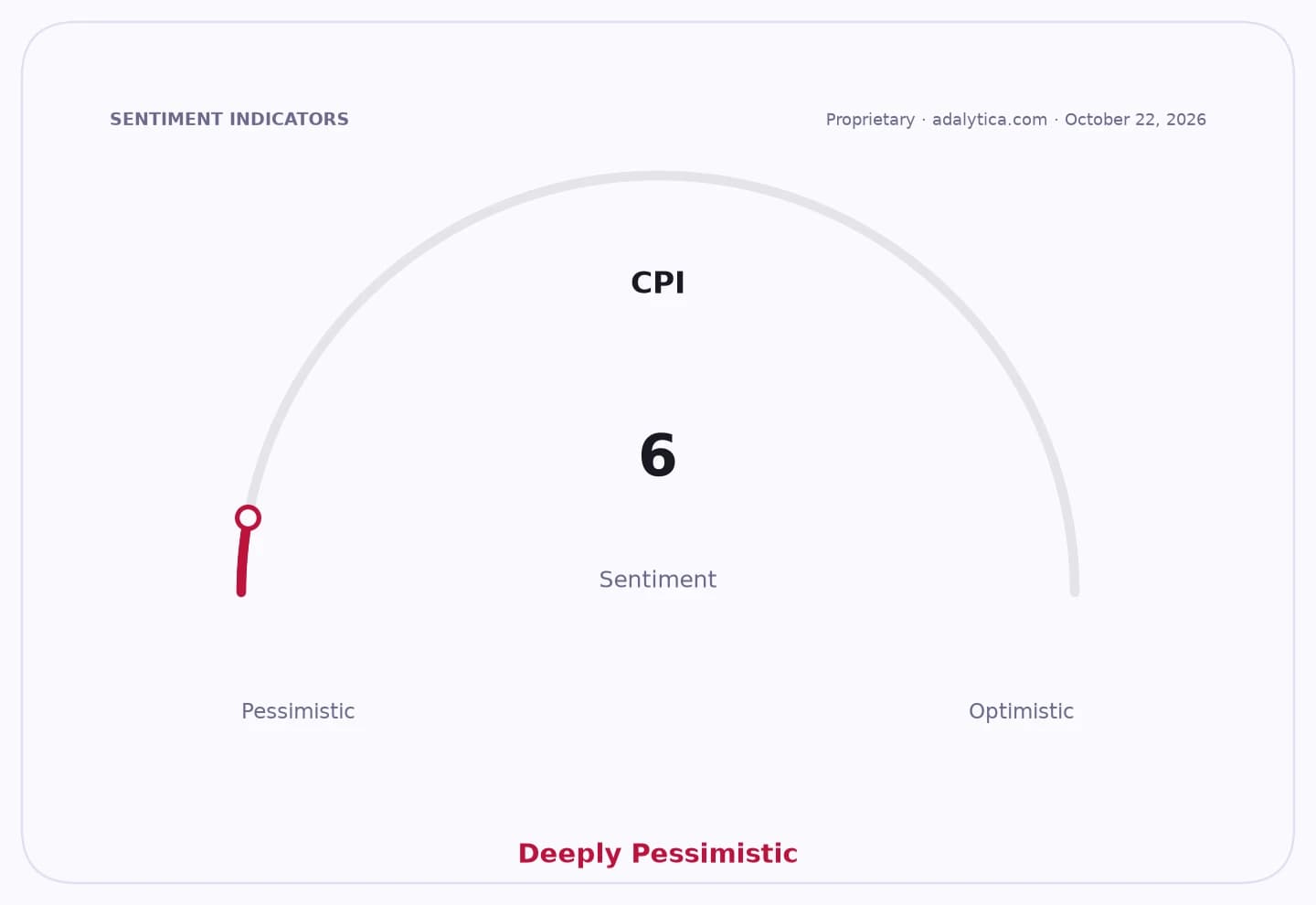
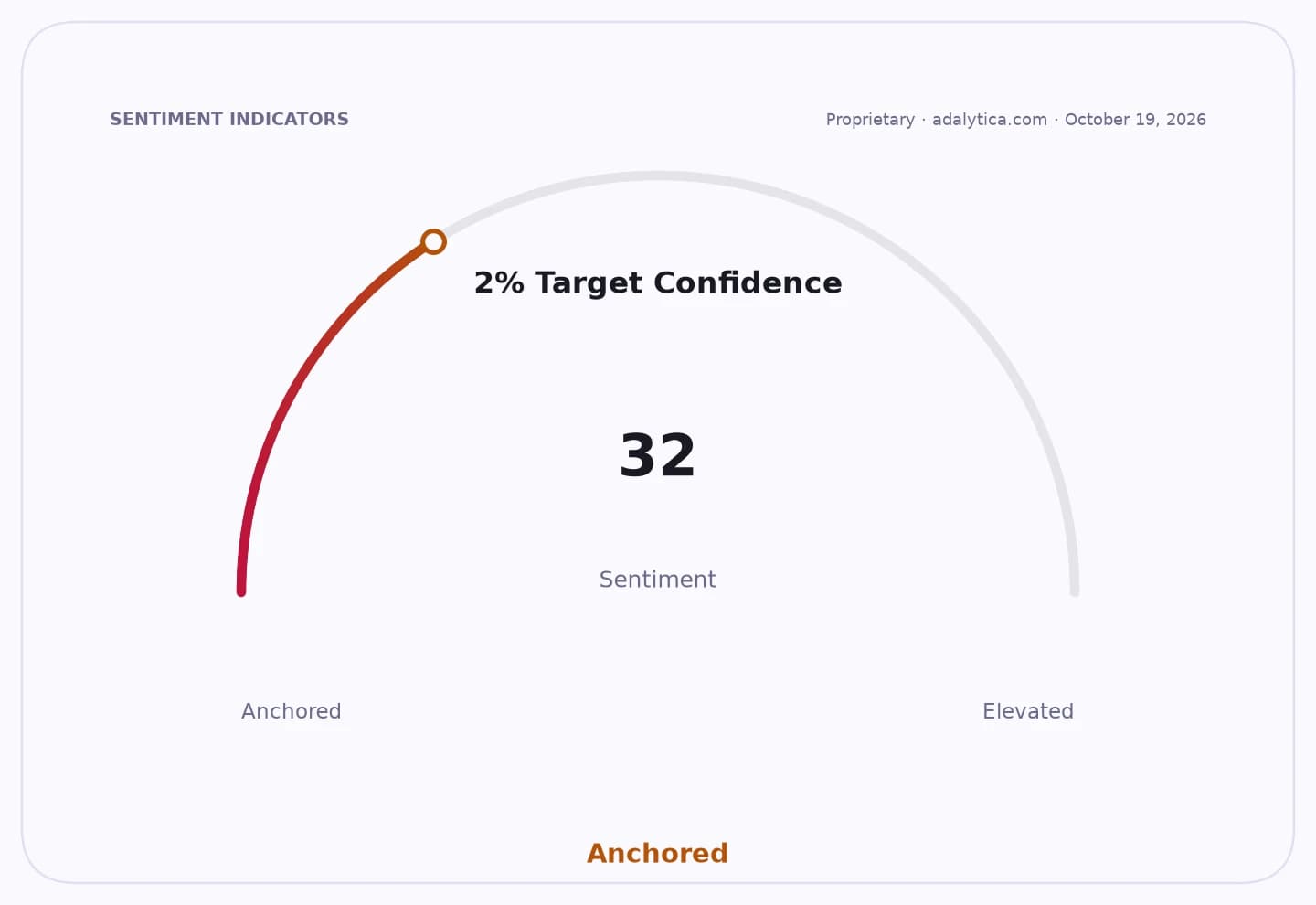
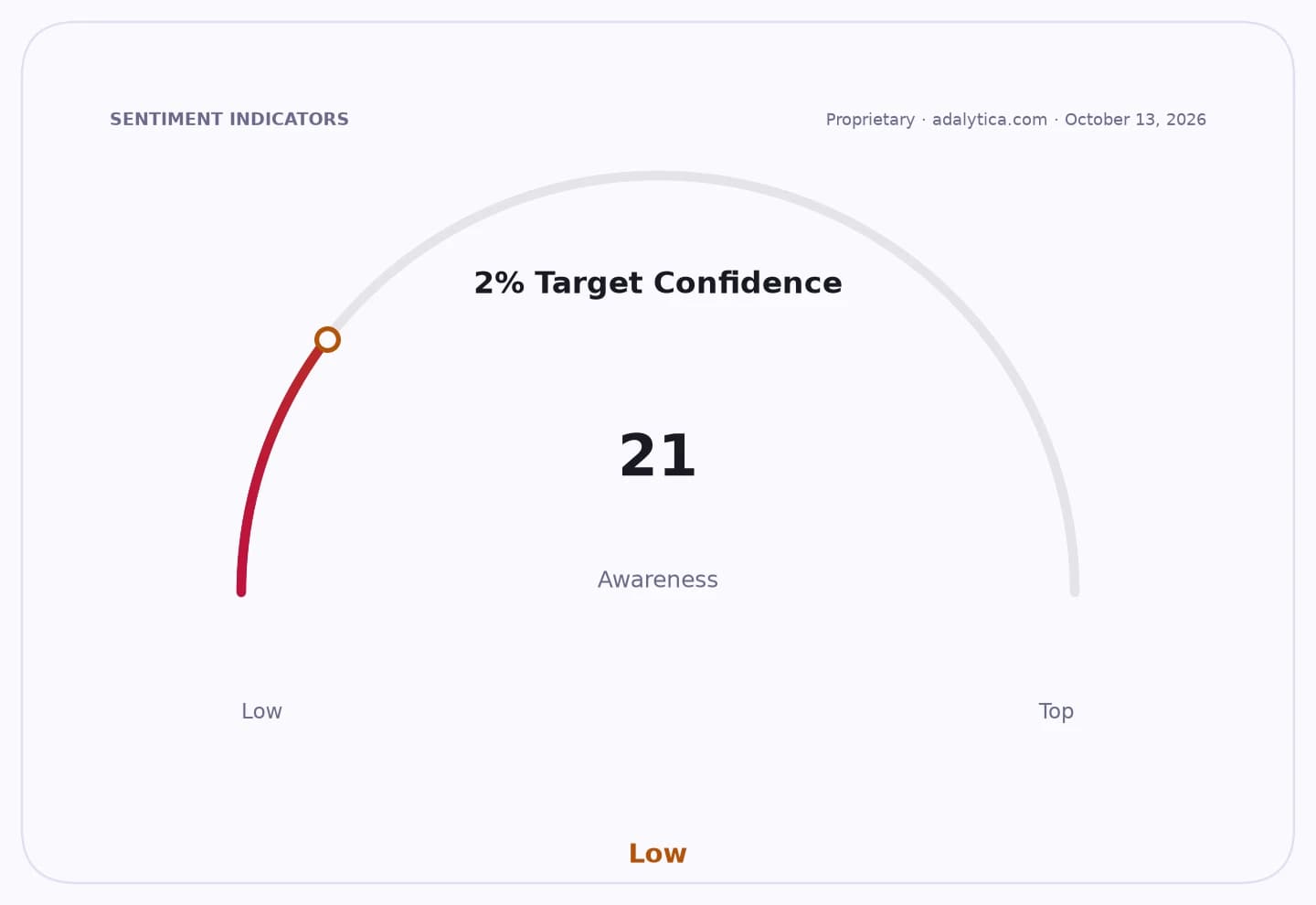
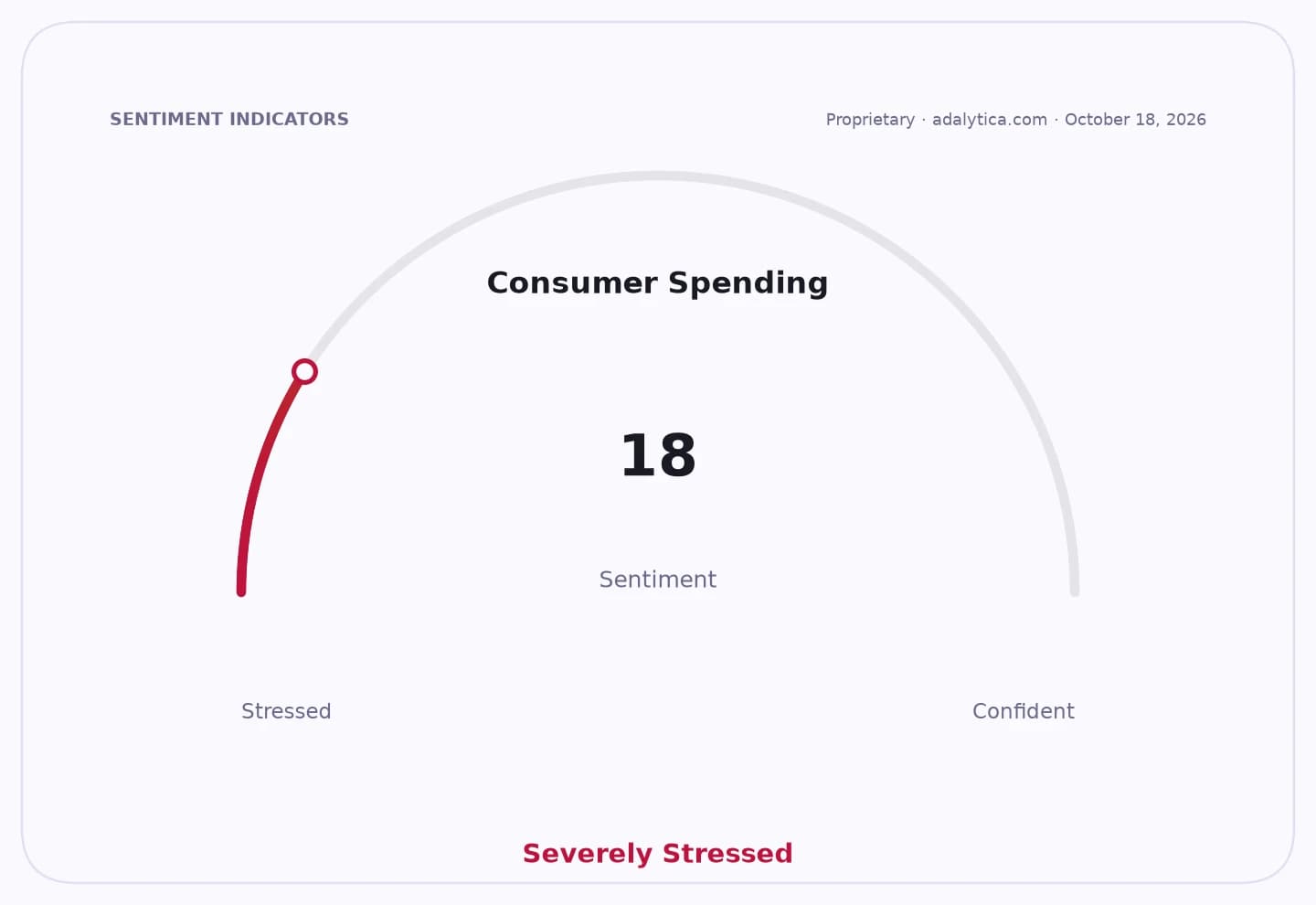
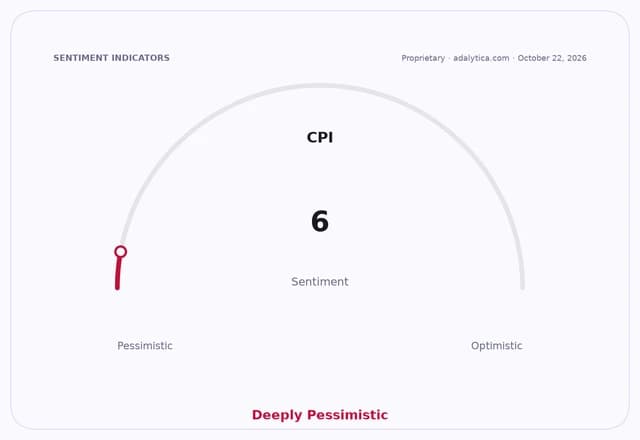
CPI — 30-day sentimentadalytica.com
Explore this data interactively — full history, time series and cross-market comparisons.Open AlphaPulse
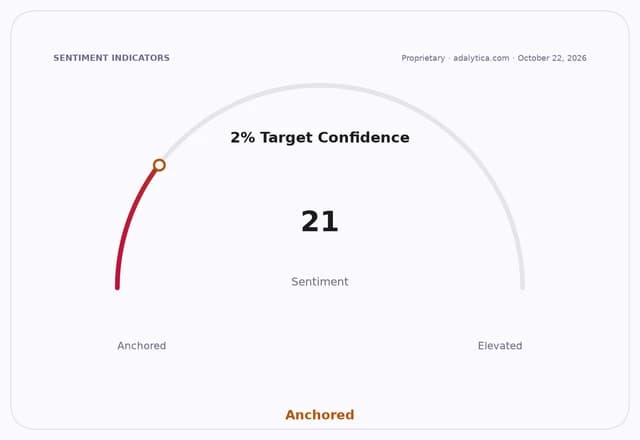
For markets, the message is straightforward. Persistent inflation means tighter financial conditions for longer. Russia’s central bank has already been working against inflation expectations that remain uncomfortably high — the public’s 12-month inflation view rose to 14.2% in September, according to the central bank — and that kind of psychology can become self-reinforcing as households stock up, demand wage increases and reduce ruble savings. The Accounts Chamber also warned that higher utility tariffs could further complicate the path back to target, with knock-on effects through business costs.
The budget implications are just as important. High inflation raises ruble tax receipts, but it also lifts the cost of servicing debt, subsidizing loans and indexing pensions and other payments. If spending overruns, the finance ministry may have to find offsets elsewhere; if it does not, the deficit could widen beyond the 2.2% of GDP penciled in for 2027. In other words, inflation is becoming a fiscal variable, not just a monetary one.
The investment takeaway is that Russia is still fighting the late-stage inflation problem that catches many economies after the initial shock fades: demand stays firm, supply lags, and the currency does part of the disinflation work only by importing higher prices. Until the ruble stabilizes and demand cools more convincingly, the market should assume slower policy easing, higher funding costs and continued pressure on consumption-sensitive sectors.
| Entity | Gains | Losses |
|---|---|---|
| Russian exporters | ▲Higher ruble revenues | ▼Import costs and policy volatility |
| Import-dependent businesses | ▲— | ▼Higher input prices |
| Households | ▲Nominal wage gains if any | ▼Purchasing power, credit affordability |
| Russian government | ▲Higher nominal tax receipts | ▼Debt service, subsidies, indexed spending |