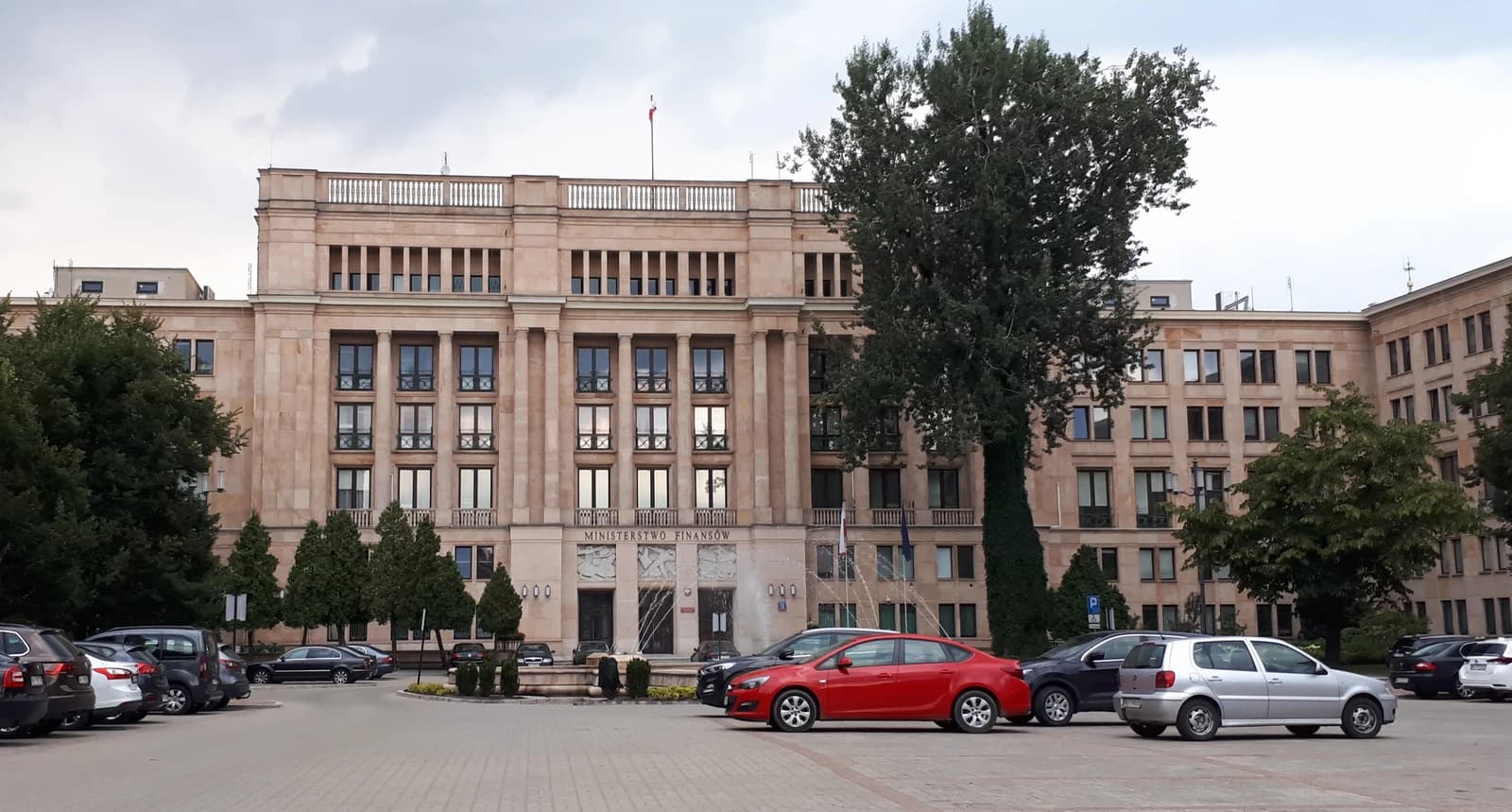
Annual inflation in Russia’s Krasnodar region eased to 5.67% in September, reinforcing the case that price pressures are cooling in one of the country’s key agricultural and tourist hubs and giving households and businesses some breathing room on costs.
Krasnodar Inflation Slows to 5.67% in September
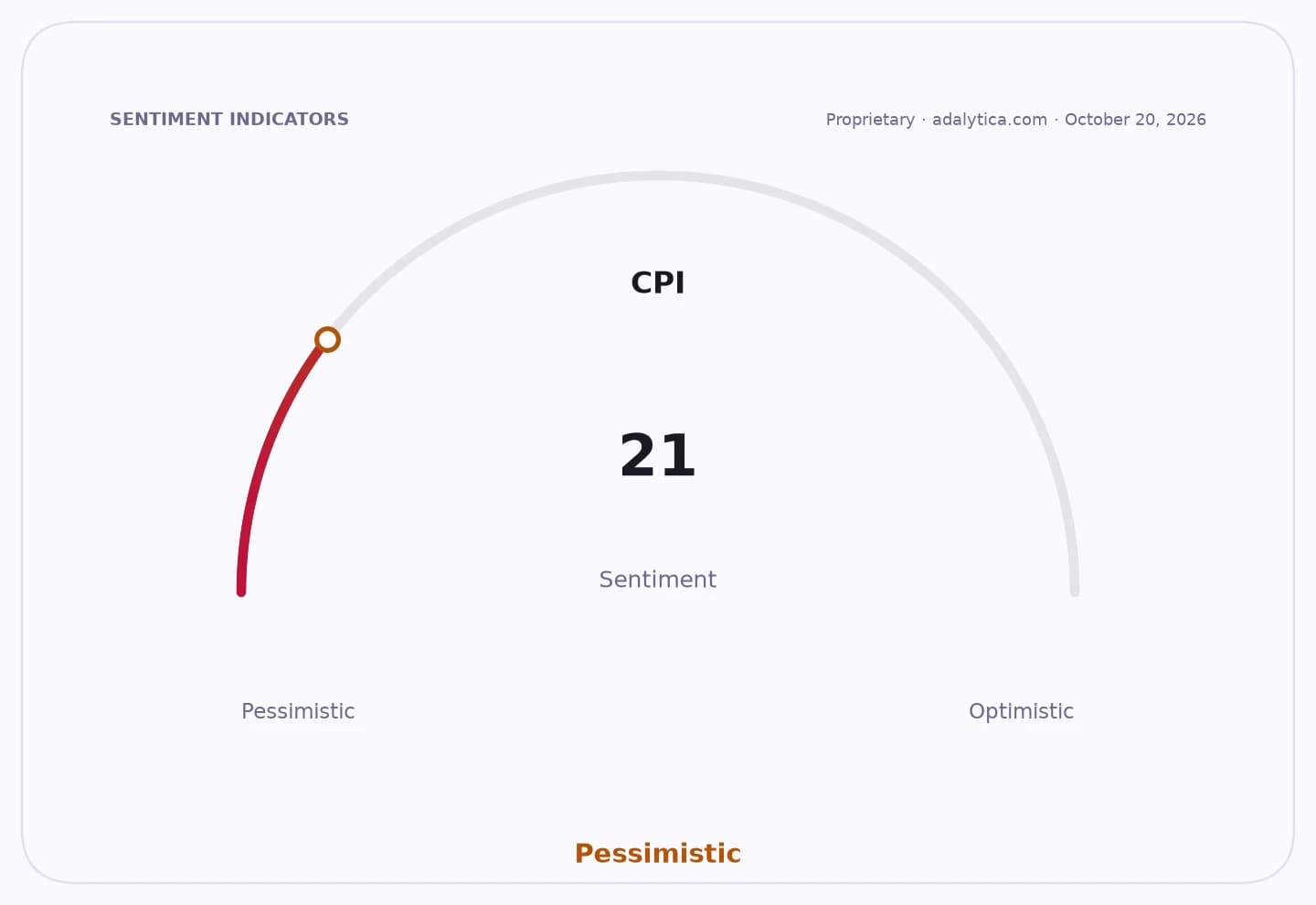
The slowdown matters because the Kuban’s inflation rate has stayed below the national pace since August 2025, when Russia’s annual consumer price growth stood at 6.35%. In September, consumer prices in the region fell 0.07% from August, driven by a 0.3% drop in food prices and a 0.1% decline in services, according to the regional office of the Bank of Russia.
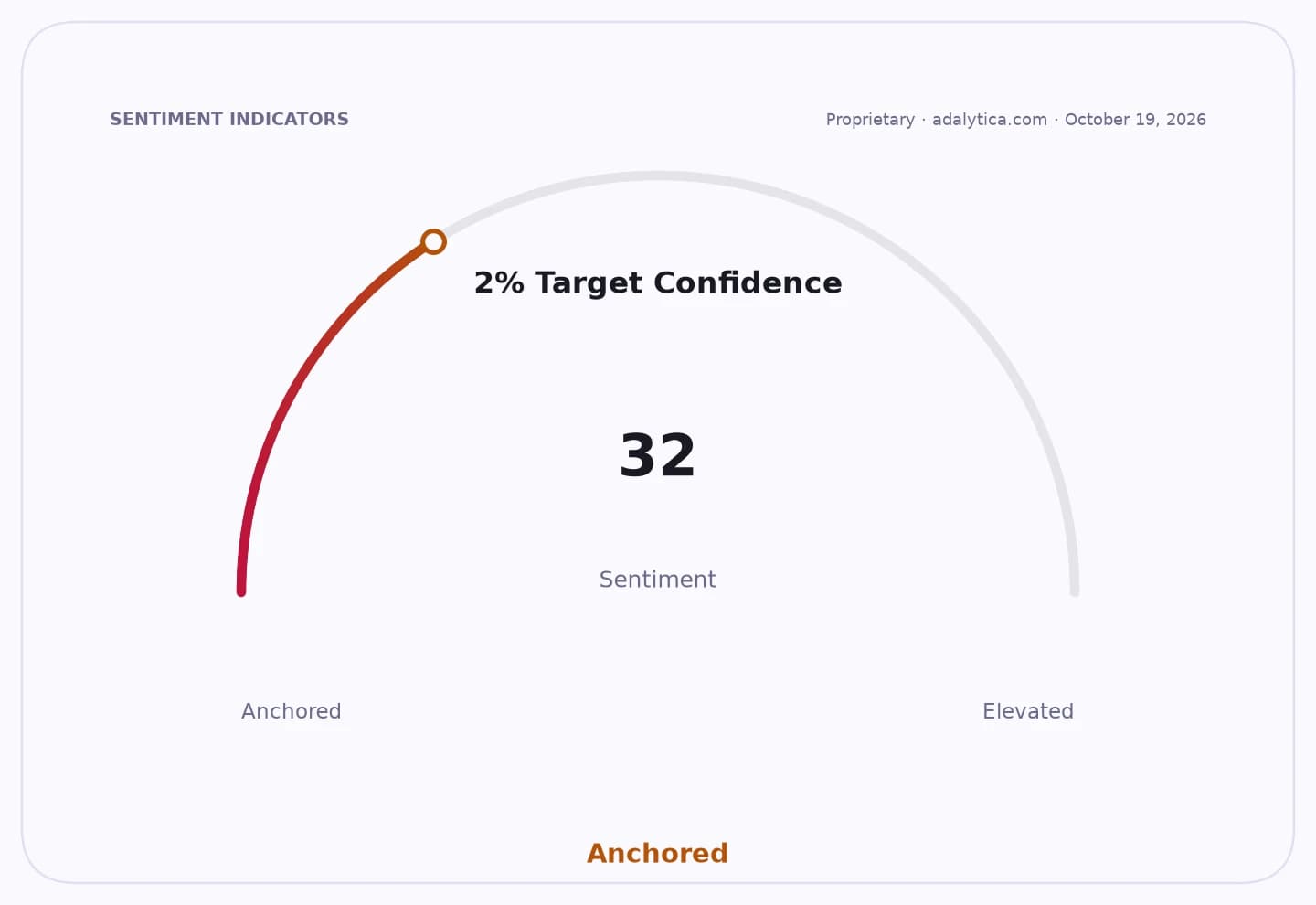
Sentiment IndicatorsⓘProprietary · adalytica.com · October 19, 2026
This is a snapshot — live sentiment, awareness and momentum for 130+ markets update continuously in the dashboard.Open AlphaPulse
That shift points to a more favorable short-term cost backdrop for retailers, food producers and service providers, even as non-food goods rose 0.3% on the month. Annual price growth in goods remained below the overall inflation rate, while services continued to run ahead of it, highlighting the uneven nature of disinflation.
The Bank of Russia said the slower monthly pace was largely due to greater supply of some food products. Across Russia, seasonally adjusted price growth also eased in September, as vegetables and fruit declined in line with typical autumn patterns after a weaker-than-usual drop in August, while education tariffs jumped.
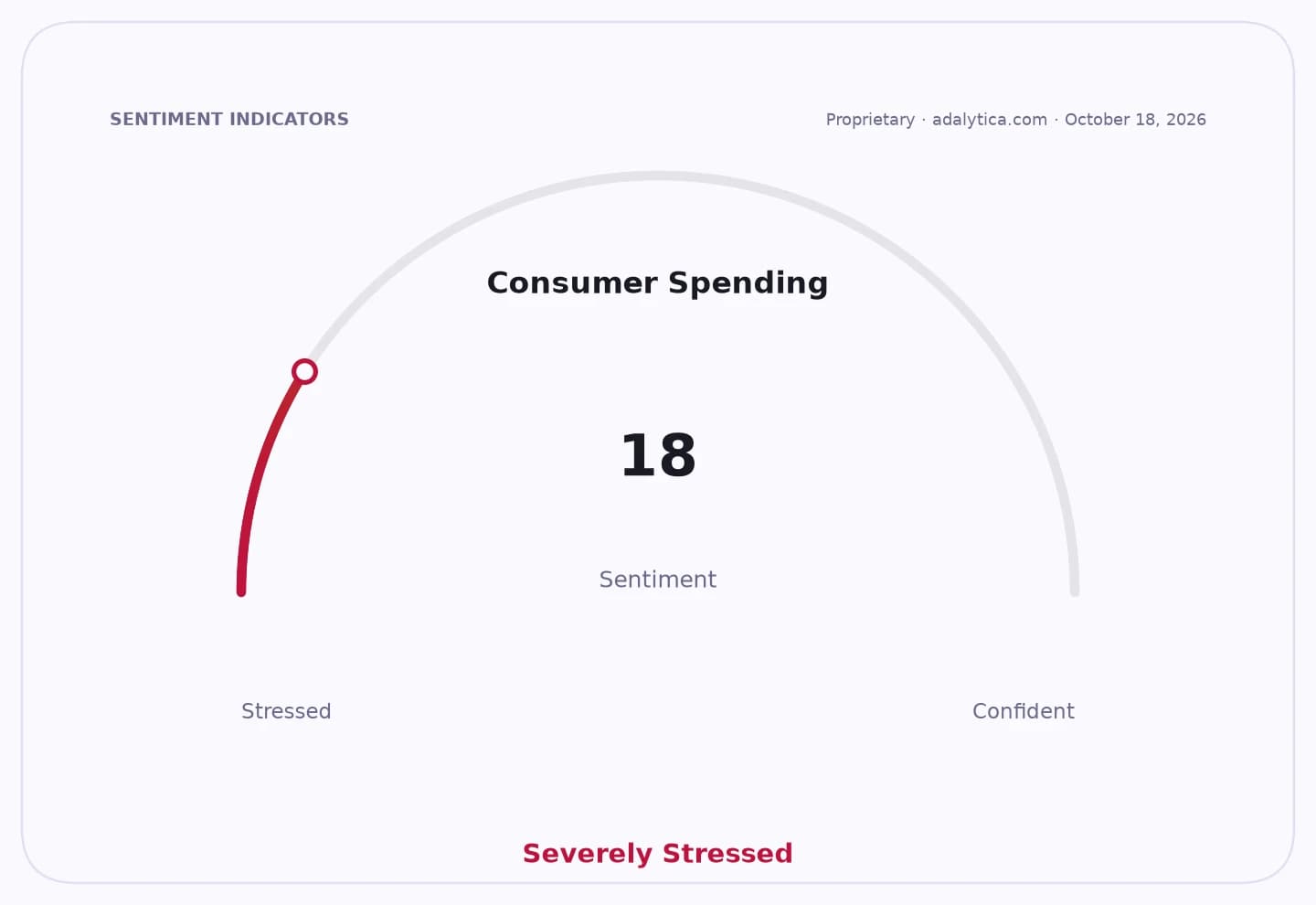
For investors, the data suggests local demand is softening after a summer cooling in consumer spending, when regional authorities linked weaker tourism activity to fuel shortages that led some travelers to cancel trips and bookings. That matters for transport, hospitality and consumer-facing companies in the south of Russia, where seasonal demand can swing sharply.
Krasnodar’s inflation trend will be watched for signs of whether softer demand and better food supply keep easing price pressure into the fourth quarter. The next test is whether services inflation, especially education and other regulated costs, continues to outpace goods as regional businesses and households adjust to slower spending.
| Entity | Gains | Losses |
|---|---|---|
| Krasnodar households | ▲Lower food and service prices | ▼Higher real incomes remain constrained |
| Regional businesses | ▲Easier cost pass-through | ▼Slower consumer demand |
| Consumers | ▲Cooling inflation pressure | ▼Non-food goods still rise |
| Bank of Russia | ▲Evidence of disinflation progress | ▼Less urgency to ease policy quickly |