Russia’s central bank strengthened the official ruble rate against the dollar, euro and yuan on Tuesday, a move that matters because it eases imported inflation pressures and signals that the currency has recovered enough for policymakers to mark it firmer after recent weakness.
Russia central bank lifts official ruble rates
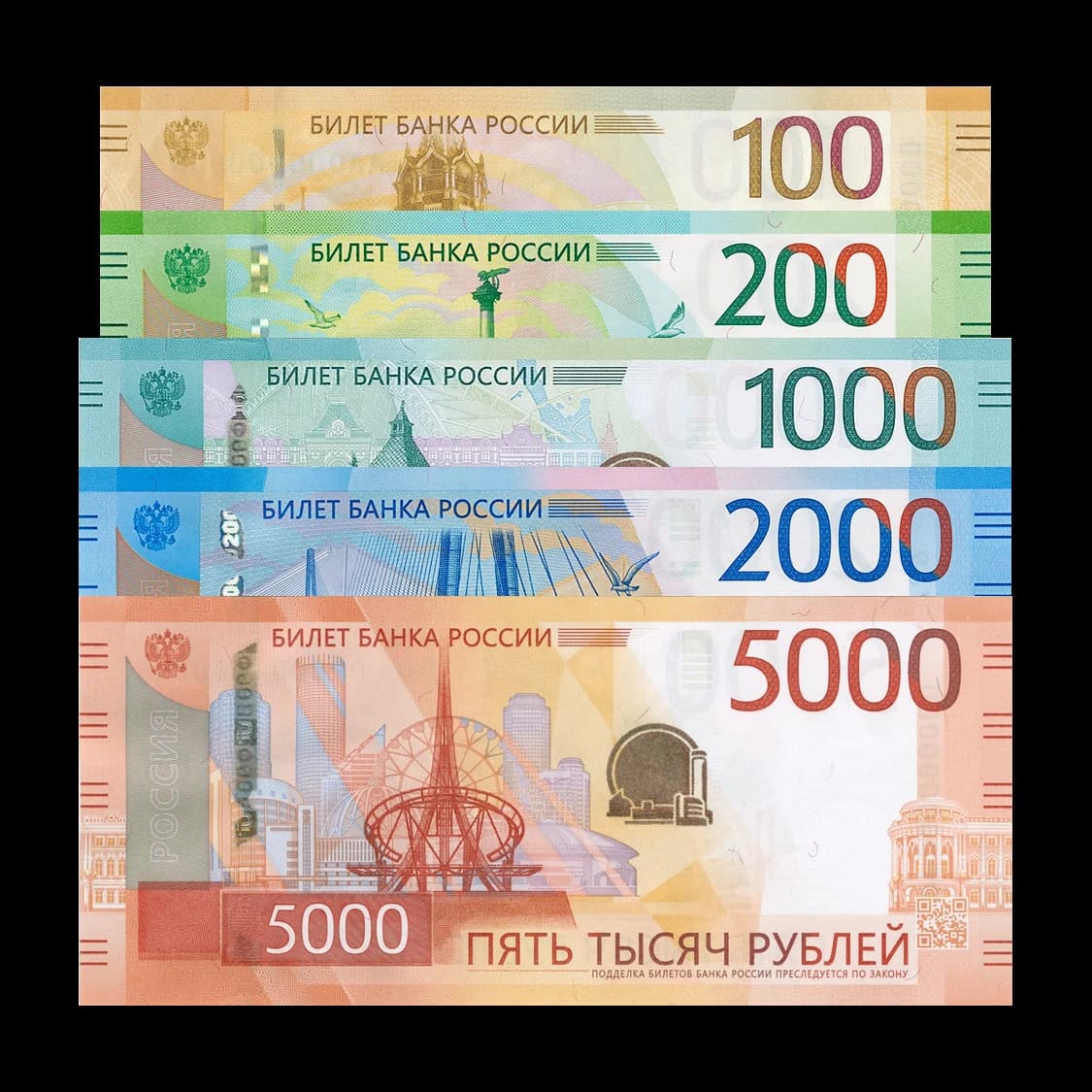
The Bank of Russia set the official dollar rate at 83 rubles, down 77 kopecks from the previous day, while trimming the euro rate to 93 rubles and the yuan rate to 12 rubles. The adjustment reflects gains versus all three major currencies, with the biggest move against the dollar.
Sentiment IndicatorsⓘProprietary · adalytica.com · October 25, 2026
This is a snapshot — live sentiment, awareness and momentum for 130+ markets update continuously in the dashboard.Open AlphaPulse
For the Russian economy, a firmer ruble is not just a technical fix. It can soften the local-currency cost of imports, support consumer purchasing power and help restrain price growth in an economy already distorted by sanctions, capital controls and heavy fiscal spending tied to the war in Ukraine. A stronger reference rate can also improve optics for policymakers who have spent much of the past two years managing currency stability as a marker of macroeconomic control.
For investors, the immediate significance is in what the official fixing says about the balance between policy support and market pressure. The ruble’s ability to firm against the dollar, euro and yuan suggests the central bank is still able to anchor the exchange rate even as external trade, capital flows and sanctions continue to reshape Russia’s financial system. But the move does not by itself resolve the underlying risks: currency volatility remains high, export revenues are vulnerable to commodity swings, and any renewed pressure on the ruble could quickly feed back into inflation expectations and rate policy.
The broader narrative is one of managed stability rather than outright strength. Russia’s central bank is using the official rate to smooth a currency that remains exposed to geopolitics and trade friction, while markets continue to treat the ruble as a policy-sensitive asset rather than a freely traded major currency. That keeps the exchange rate a key barometer for both domestic inflation and the effectiveness of Moscow’s financial controls.
The main thing to watch is whether the firmer fixing is sustained or merely a short-term adjustment. If the ruble holds, it could give the central bank more room on inflation. If it slips again, the authorities may be forced back into tighter liquidity management, sharper intervention or more restrictive capital measures.
| Entity | Gains | Losses |
|---|---|---|
| Russian consumers | ▲Lower import costs | ▼None immediate |
| Bank of Russia | ▲Easier inflation control | ▼Less room if ruble weakens |
| Importers | ▲Cheaper foreign goods | ▼Exporters with ruble revenues |
| Russian exporters | ▲None immediate | ▼Lower ruble value of earnings |