SNCF has moved to blunt a fresh round of labour tension with three pay measures, but the package is unlikely to settle the wider fight over wages as French inflation keeps outpacing what workers say they are receiving.
SNCF Raises Pay and Faces Strike Over Wages
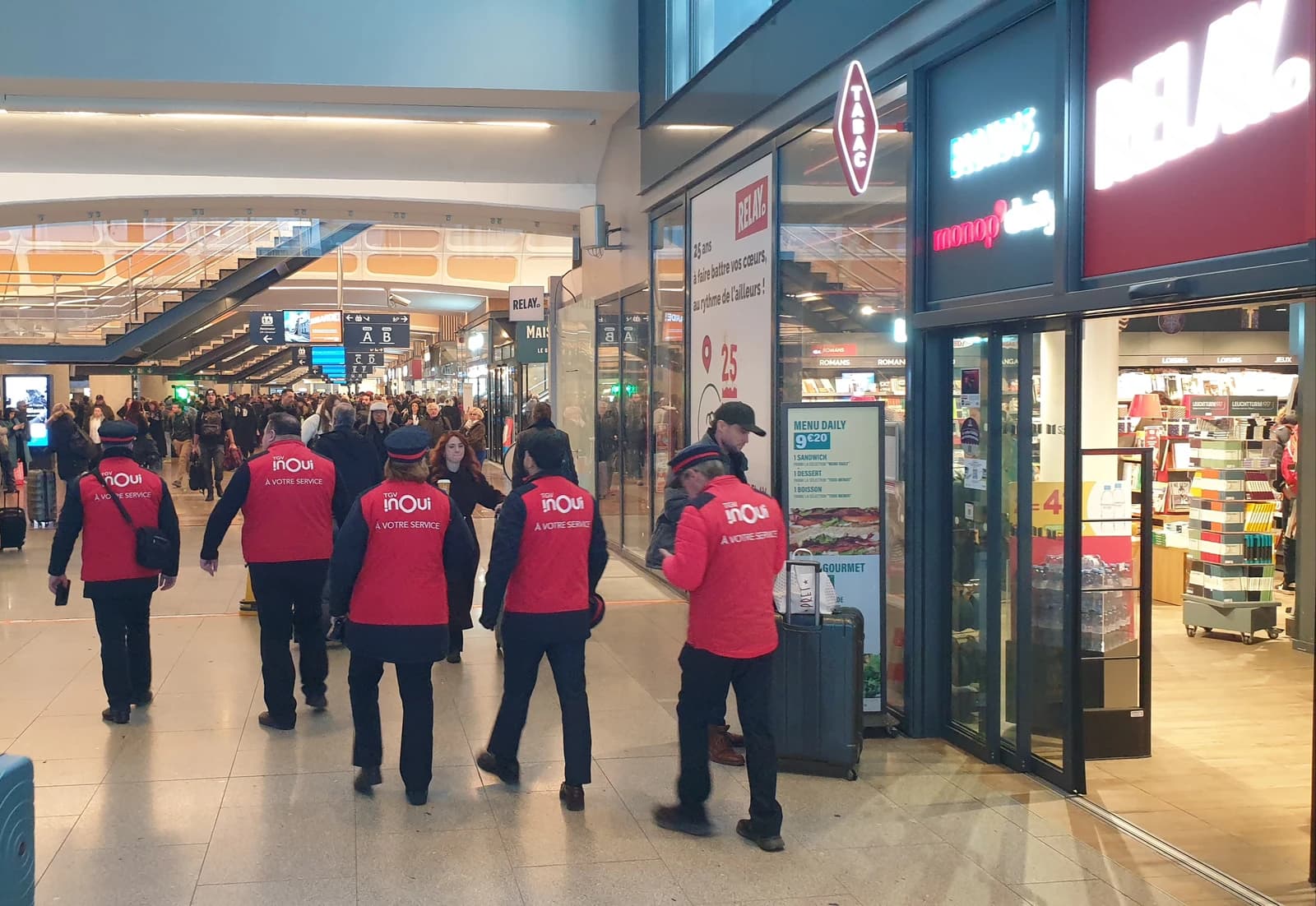
The state railway group said Tuesday it will pay a 400-euro profit-sharing bonus at the end of November to about 140,000 employees across SNCF SA, SNCF Voyageurs, SNCF Réseau, SNCF Gares et Connexions and SNCF Optim’Services. It will also raise night, Sunday and holiday premiums by 2% from Nov. 1 for roughly 100,000 staff working to keep the network running, and increase mileage allowances by 5% for employees using their own vehicles for work.
Sentiment Indicators
Economically, the move is a bid to preserve industrial peace inside one of France’s most strategically important employers at a time when inflation is still eating into household budgets and unions are demanding broader wage catch-up in 2026. SNCF is not just a transport operator; it is an essential piece of national infrastructure, so every pay dispute has a potential knock-on effect on mobility, commerce and regional activity. A company of this size conceding extra compensation also matters for wage-setting psychology well beyond rail.
The railway group said the new measures come on top of earlier payments this year, including a 250-euro bonus in March, a 100-euro bonus in July, an average 1,050-euro annual profit-sharing payout, and continued reimbursement of 75% of public transport passes. SNCF said employees will receive an average 1,700 euros in 2026 through the two bonuses and profit-sharing, about 30% more than in 2025. That is meaningful money for workers, but it also shows the company leaning more on one-off payments than structural salary increases.
CPIAUCSL vs CPILFESL — macro contextadalytica.com
Explore this data interactively — full history, time series and cross-market comparisons.
CPI
That distinction is exactly where the labour conflict sits. Unions say the offers do not keep up with inflation and want a general wage rise for 2026, not just bonuses tied to company performance. They note that SNCF wrote its salary agreement based on 1.3% inflation for 2026, while the latest INSEE reading showed 3.4% in October. In other words, the real purchasing-power gap remains open, and the unions are using that gap to justify a national strike call on Thursday over pay and jobs.
For investors, the broader lesson is that inflation is still reverberating through corporate labour relations even where headline price pressures have cooled from their peaks. The market underestimates how sticky wage demands can be when workers see official inflation above the assumptions embedded in company agreements. That raises the risk of higher labour costs, recurring concessions and service disruptions across regulated and labour-intensive industries, especially in transport.
SNCF’s first-half profit of 1.2 billion euros gives management some room to maneuver, but it also strengthens the unions’ argument that the company can afford more. The result is a familiar French pattern: management trying to buy time with bonuses, workers pushing for permanent pay, and investors left to watch for spillover into service reliability and cost inflation.
The immediate catalyst is Thursday’s strike. If disruptions are limited, SNCF may have contained the damage for now. If the protest broadens, the company’s wage bill will no longer be the only issue — reliability, earnings visibility and the government’s tolerance for prolonged rail unrest will be back in focus.
| Entity | Gains | Losses |
|---|---|---|
| SNCF employees | ▲Higher take-home pay | ▼No broad wage rebase |
| SNCF management | ▲Short-term labour truce | ▼Higher payroll costs |
| Unions | ▲Stronger bargaining leverage | ▼Risk of stalled talks |
| Rail users and investors | ▲Potentially fewer disruptions | ▼Strike risk and cost pressure |