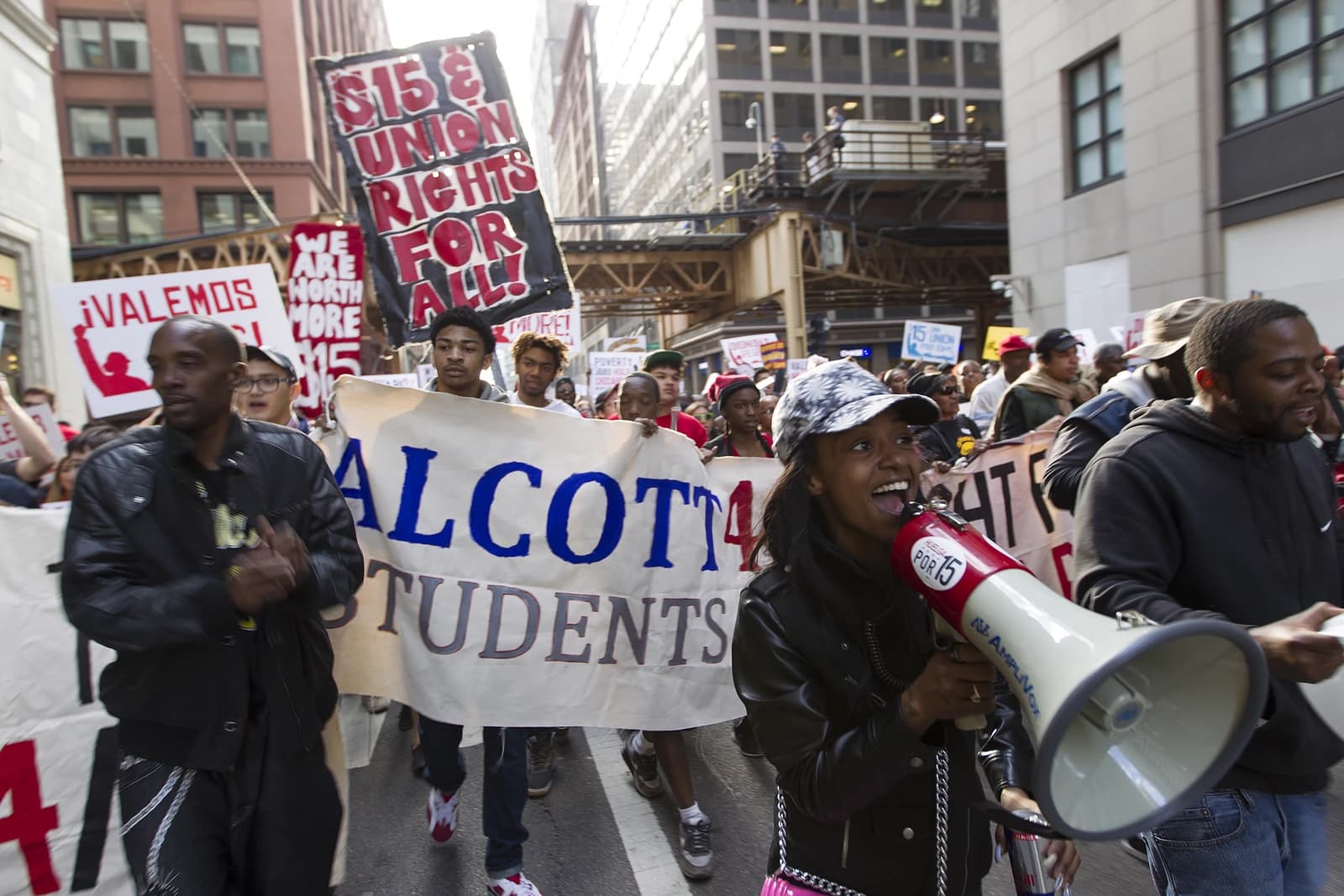
Employees of the Dordogne Chamber of Trades and Crafts have joined France’s broader wave of wage protests, a reminder that inflation pressure and tight household budgets are still feeding labor demands well beyond the private sector.
France CMA workers strike over pay dispute
For investors, the immediate market impact is limited, but the story matters because it shows how wage expectations are spreading across the French economy. When workers in a semi-public body such as a chamber of trades feel compelled to strike, it suggests management and unions are still far apart on what constitutes a fair cost-of-living adjustment. That can eventually filter into payroll costs, local services and, more broadly, the pace at which employers across France can settle labor disputes.
The CGT says CMA France has enough room to lift the index point to 6 euros. That is the crux of the dispute: workers are not merely asking for a symbolic gesture, but for a structural improvement in pay that would carry through future wage calculations. In a country where labor tensions have remained a recurring feature of the economic backdrop, the message is that compensation is still catching up with lived costs.
This also fits a larger European theme. A strike by workers who are not usually quick to mobilize underscores how durable the wage issue remains even as inflation has eased from its peaks. If employers and public institutions are forced into a wider round of concessions, that can support household spending power over time, but it can also add to cost pressure for organizations already dealing with tight budgets.
The stock tape does not reflect a direct read-through here, though the broader market context remains cautious. The CEE share price has hovered around 18.53 euros, below its 50-day moving average of 19.16 euros and 200-day moving average of 19.86 euros, while the RSI at 46.9 points to a neutral setup. Those are conventional technical signals, not a thesis by themselves, but they suggest investors are not yet pricing in a decisive shift one way or the other.
For long-term investors, the key takeaway is that wage disputes like this are part of the normal friction of an economy trying to rebalance after inflation. They are not usually tradable events on their own, but they can matter if they spread, last longer than expected or start to influence broader labor-cost trends. Worth watching, especially if the debate over pay at CMA France becomes a template for other public and quasi-public employers in France.
| Entity | Gains | Losses |
|---|---|---|
| CMA employees | ▲Higher pay potential | ▼Current wage stagnation |
| CGT unions | ▲Bargaining leverage | ▼If negotiations stall |
| CMA France management | ▲Orderly settlement if reached | ▼Higher labor costs |
| French employers | ▲Clearer wage benchmark if talks succeed | ▼Pressure to grant raises |