Legrand’s plan to close three French sites and eliminate 178 jobs is leaving workers at the Lagord plant convinced they got the worst of the deal, underscoring how a global industrial restructuring can land very differently depending on geography.
Legrand closes French sites, cuts 178 jobs
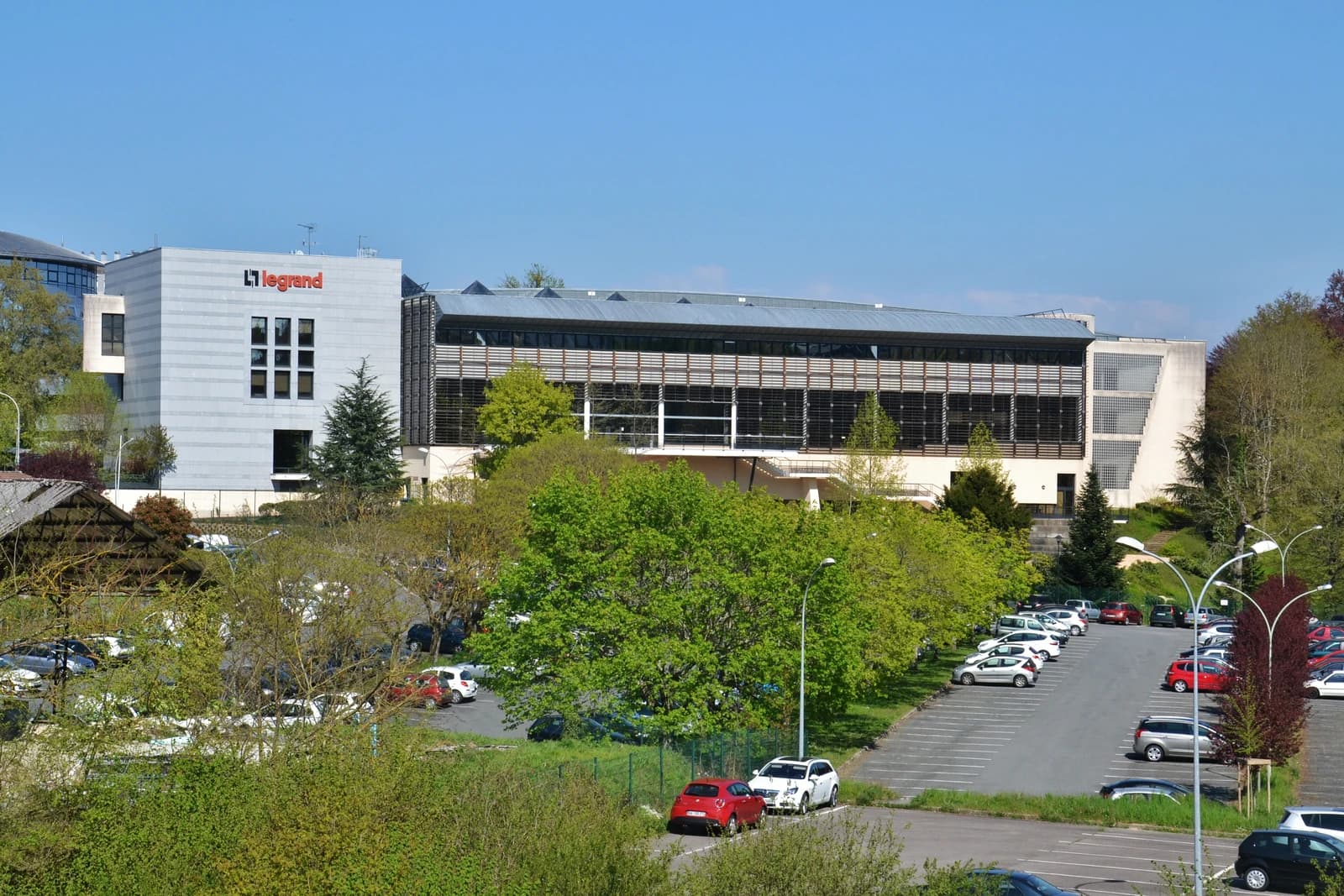
The immediate economic issue is not just the loss of jobs, but the way the French group has packaged the cuts into a single nationwide agreement that treats very different workforces as if they had the same options. For employees at Lagord, near La Rochelle, that means compensation of 1,000 euros per year of seniority, with a modest bump every five years, but little real prospect of redeployment because the alternative posts offered were centered around Limoges and were too far away to be practical.
Sentiment Indicators
That is why employees and union representatives at Lagord say they are “the big losers” of the restructuring. While some workers at Confolens and Châlus accepted internal mobility, the Lagord site has no comparable exit route. The plant’s roughly 60 employees are being told their positions will disappear in stages, with about 30 leaving in May 2027 and the rest in 2028. In economic terms, distance has become a cost: a transfer that may work for one site is effectively worthless for another, leaving severance pay as the main cushion.
For investors, the episode is a reminder that restructuring charges do not end with the announcement. A plant closure plan can reduce long-run payroll costs and simplify operations, but it can also create execution risk, labor conflict and reputational damage, especially when workers believe the burden has been unevenly allocated. Legrand, which is based in Limoges and is a major global electrical equipment maker, is trying to rationalize its French footprint; the question for markets is whether savings from consolidation outweigh the drag from disrupted industrial relations and the possibility of further social tension.
The broader backdrop is a wave of workforce reductions across sectors as companies trim costs and protect margins in a slower demand environment. In that context, Legrand’s move fits a familiar pattern: managements are protecting profitability, while employees face the immediate adjustment costs. The Lagord case shows why such plans often become politically and socially sensitive in France, where closures of industrial sites can quickly turn into debates over fairness, redeployment and the adequacy of severance.
The plan is due to be signed in Limoges, but the real test begins afterward. If the closures proceed on schedule, Legrand may get the operational streamlining it wants. If not, the company could face delays, higher indirect costs and prolonged labor friction — the kind of restructuring overhang investors tend to discount only after it shows up in earnings or guidance.
| Entity | Gains | Losses |
|---|---|---|
| Legrand management | ▲Lower long-term payroll costs | ▼Labor unrest and execution risk |
| Lagord employees | ▲Severance payout | ▼No realistic redeployment option |
| Confolens and Châlus staff | ▲Some internal mobility | ▼Job losses or relocation pressure |
| Legrand shareholders | ▲Potential margin improvement | ▼Restructuring costs and reputational damage |