Warren Buffett’s blunt reminder that investors are asking too much of stocks is landing at exactly the wrong moment for anyone chasing the AI trade at any price.
Buffett Warns on AI Stocks and High Market Valuations

The message matters because the U.S. market is now trading at one of the richest valuation levels in modern history. The Shiller CAPE ratio has moved above 40 for the first time since 1999, putting the market back in territory last seen near the peak of the dot-com boom. That does not mean a crash is imminent, but it does mean future returns are likely to be more muted and the margin for error is thinner than it has been for years.

Buffett’s old warning still works because the underlying logic never changes. A revolutionary technology can be real and still not make every stock tied to it a winner. In the late 1990s, investors were right that the internet would reshape the economy. They were wrong to assume that simply owning any internet-related company would automatically create wealth. The same tension is showing up again around artificial intelligence.
The market backdrop reinforces that caution. The S&P 500 is hovering around 761.7, near its 50-day moving average of 759.7 and well above its 200-day average of 714.2, while the Nasdaq-100 proxy QQQ has climbed back to 721.5, close to its own short-term trend. Those levels show momentum has returned after a volatile midyear pullback, but they do not erase the fact that stocks are already priced for a lot of good news. Technical indicators such as RSI readings are no longer at extreme levels, which suggests the market is not in a panic — it is in a state of renewed confidence, exactly the kind of mood that can push valuations further from fundamentals.
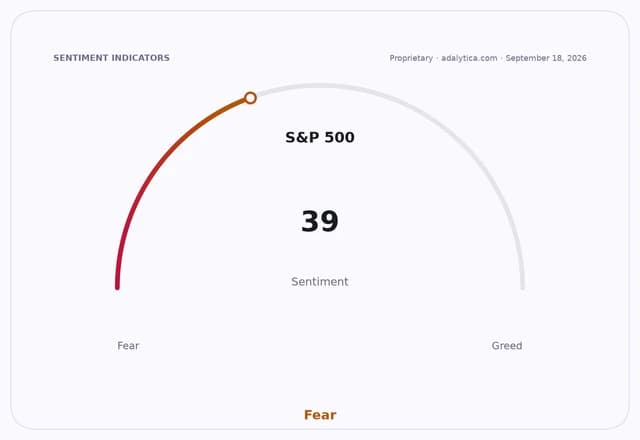
That is why Buffett’s warning matters to investors more than as a catchy quote. When valuations are stretched, the winners are usually the businesses with real cash flow, defensible moats and years of earnings growth ahead of them — not the names simply wrapped in a popular theme. In an expensive market, buying every AI story is not a strategy; it is a shortcut to disappointing returns.
There is also a broader macro lesson. The 10-year Treasury yield is around 4.94%, and the unemployment rate is still low at about 4.1%, with no recession currently indicated. In other words, the economy is not flashing panic, but it is also not giving investors much of a valuation cushion. That combination can keep the bull market alive, yet it also raises the penalty for overpaying. Markets can stay expensive for a long time, but expensive markets tend to reward patience and selectivity more than enthusiasm.
For long-term investors, the practical takeaway is simple: don’t confuse a great technology with a great stock. AI may remain one of the most important growth themes of the decade, but the best way to play it is through durable businesses bought at sensible prices, alongside a diversified portfolio that can compound through different market regimes. Buffett’s message is not to fear innovation — it is to respect valuation. Investors who do that can still do very well over 3 to 10 years and beyond. Those who ignore it may learn, as the dot-com crowd did, that the hardest part of a great story is knowing what to pay for it.
| Entity | Gains | Losses |
|---|---|---|
| Long-term value investors | ▲Better entry discipline | ▼FOMO-driven buyers |
| Quality AI businesses with profits | ▲Premium, but justified multiples | ▼Unprofitable AI hype stocks |
| Broad index holders | ▲Ongoing innovation exposure | ▼Narrow theme chasers |
| Speculative traders | ▲Short-term volatility opportunities | ▼Holders who overpay late |