A Redwood City mother has turned a new Bay Area parenting habit into a business, launching BurbleBox, a Peninsula toy-rental service that says it had about 100 sign-ups within days of opening a waitlist and now serves roughly 30 families.
BurbleBox toy rental service launches in Bay Area
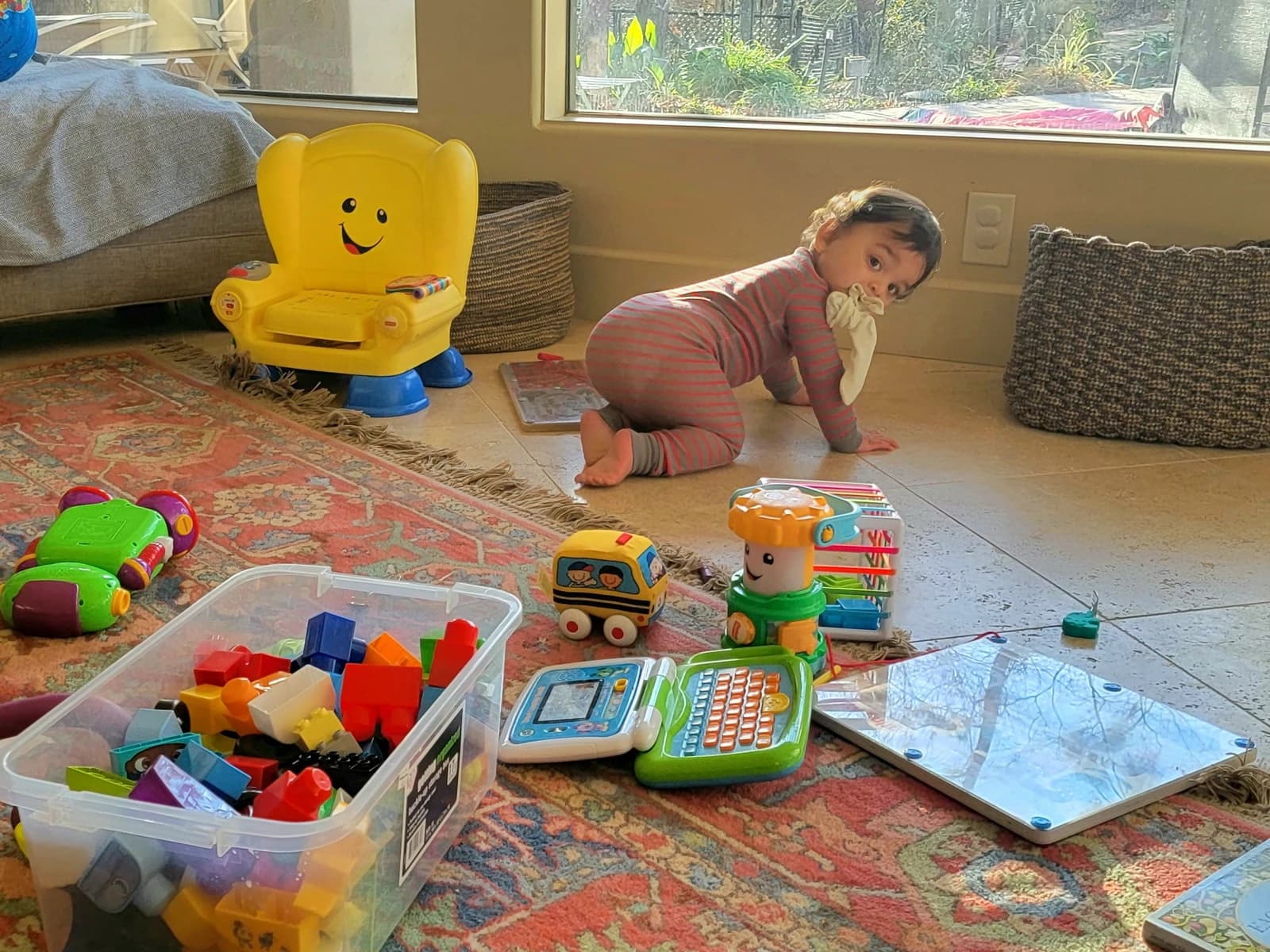
The startup is small, but it taps into a consumer niche with clear economic logic: parents of infants and toddlers face constant product turnover, while many households also want lower-waste options and less money tied up in items children quickly outgrow. BurbleBox charges $39.99 for each curated box of six toys, with families typically swapping every two months.

That rental model matters because it converts a one-time purchase into recurring revenue while addressing two pain points at once — storage and sustainability. Bearman, who founded the company after seeing how quickly her own daughter responded to age-specific toys, said she realized there was “a lot of demand” for the service after posting in Bay Area parenting groups.
BurbleBox curates 12 age-based boxes for children from newborn to about age 3, sourcing from 10 to 15 U.S.-based toy companies and focusing on wood, food-grade silicone and rubber rather than plastic. It also sanitizes and inspects returns before reissuing them, a workflow that gives the service some of the economics of equipment leasing and some of the logistics burden of a cleaning-intensive subscription business.
For investors and consumer companies, the story points to a broader shift in the baby and toddler category: parents are increasingly open to access models, not just ownership, if the products are perceived as developmentally useful and easy to rotate. That creates an opening for niche subscription startups, but it also raises the bar on customer retention, fulfillment, hygiene standards and unit economics.
Bearman is betting that the combination of curated selection, local delivery and pop-up trials will help convert curiosity into repeat subscriptions. The next test will be whether BurbleBox can scale beyond early Bay Area demand without losing the personalization that made the idea resonate in the first place.
| Entity | Gains | Losses |
|---|---|---|
| BurbleBox | ▲recurring subscription revenue | ▼operational complexity |
| Bay Area parents | ▲less clutter, lower upfront cost | ▼monthly rental fee |
| Toy makers with durable products | ▲new distribution channel | ▼lower one-time sales volume |
| Traditional toy retailers | ▲fewer repeat purchases | ▼demand for ownership-based sales |