Bybit’s move to plug OpenPayd into its payments stack is a reminder that the next fight in crypto is not over trading venues, but over the plumbing that lets dollars move in and out of them.
Bybit Adds OpenPayd for USD Payments
The exchange is using OpenPayd’s single-API infrastructure to add USD settlement, virtual accounts, international payment connectivity, foreign-exchange services and crypto on-ramps, a shift that should make it easier for both retail users and institutional clients to fund accounts, move treasury balances and reconcile transactions across jurisdictions. In a market where liquidity still largely clears in dollars, better fiat access is not a back-office upgrade — it is a growth lever.
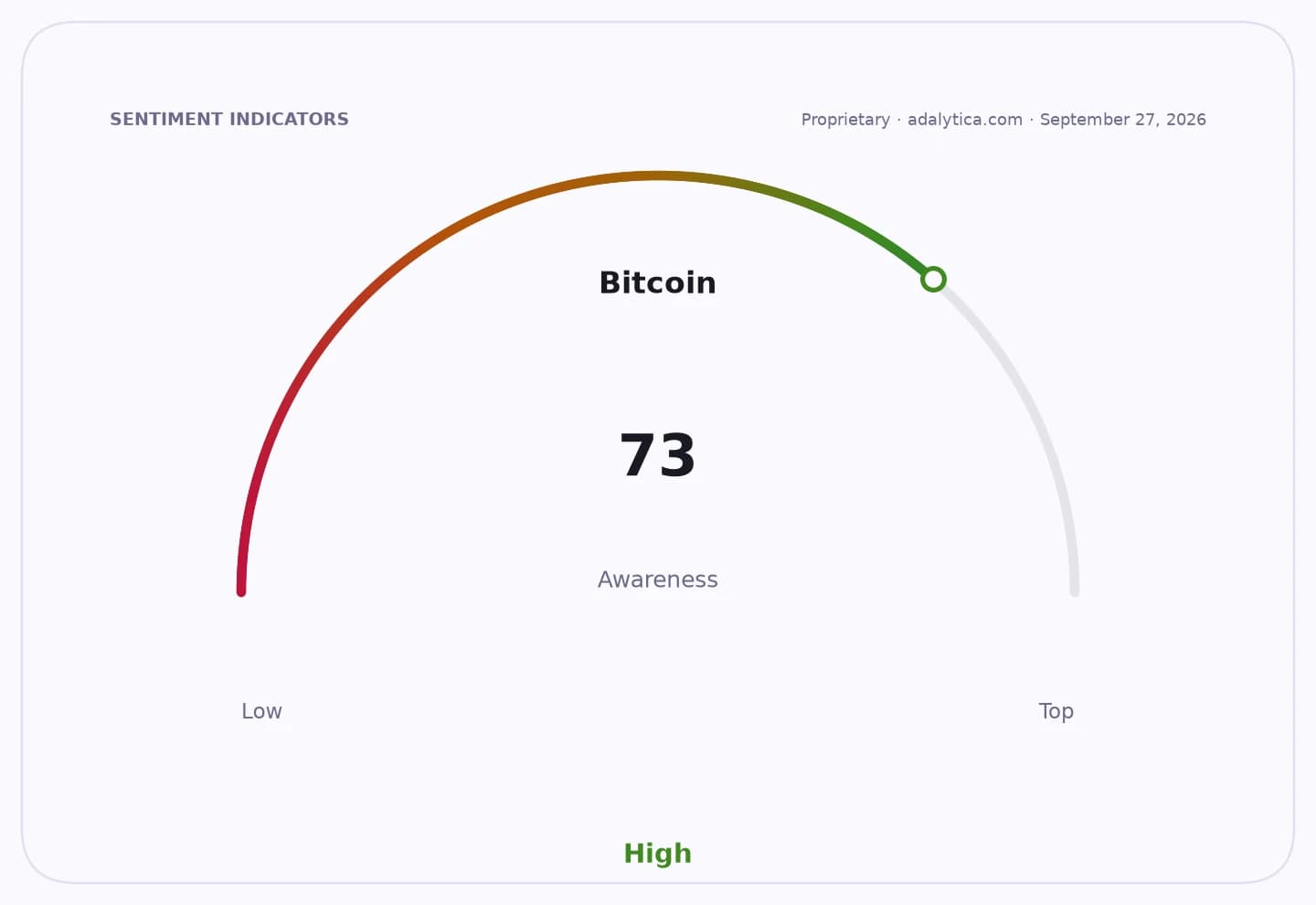
Sentiment IndicatorsⓘProprietary · adalytica.com · September 27, 2026
This is a snapshot — live sentiment, awareness and momentum for 130+ markets update continuously in the dashboard.Open AlphaPulse
That matters because the industry’s biggest constraint is increasingly operational, not speculative. Crypto platforms can process digital assets at internet speed, but deposits, withdrawals and currency conversion still depend on conventional banks, SWIFT rails and local compliance checks. The friction is especially costly for exchanges chasing professional traders and large funds, which demand predictable settlement and fewer banking dependencies before committing real capital.
Bybit’s existing USD deposit rollout earlier this month already showed where demand is headed: eligible users can fund accounts through SWIFT bank transfers, with deposits ranging from $100 to $1 million and a flat $11 fee. The broader OpenPayd tie-up pushes that capability into a more scalable infrastructure layer, combining accounts, FX and payment rails in one stack instead of stitching together separate providers market by market.
For investors, the implication is that the winners in crypto may be the firms that own the toll roads, not just the trading activity. Exchanges with better fiat connectivity can capture more deposits, reduce operational bottlenecks and become stickier venues for institutions that want both crypto liquidity and conventional cash management. That creates a stronger case for infrastructure names that sit between banks and digital assets, from payment processors to exchange-adjacent fintechs.
The timing is also notable. OpenPayd has been widening its network through integrations with Circle Payments Network and Fireblocks, underscoring how fiat-to-crypto infrastructure is turning into its own fintech category. That is a bullish sign for the whole ecosystem, because it suggests capital is being spent not just on speculation, but on the rails needed for broader adoption.
The market underestimates how much of crypto’s next phase will be defined by settlement, compliance and treasury operations rather than token launches. As exchanges expand into derivatives, tokenized assets and payments, the companies that can make dollars, euros and digital assets move seamlessly will control the most valuable customer relationships.
If you are positioning for the next leg of crypto adoption, the trade is not just on coins — it is on the infrastructure that makes fiat move like software.
| Entity | Gains | Losses |
|---|---|---|
| Bybit | ▲Better fiat access | ▼Banking friction |
| OpenPayd | ▲More transaction volume | ▼Fragmented competitors |
| Institutional traders | ▲Faster USD settlement | ▼Reconciliation delays |
| Smaller exchanges | ▲Industry adoption tailwind | ▼Relative infrastructure gap |