A call by a former European lawmaker for an assessment of the security threat posed by China’s BYD vehicles adds a new political risk to one of the world’s fastest-growing automakers and underscores how electric-car competition is turning into a broader geopolitical fight over data, technology and market access.
BYD Faces Europe Security Review Risk

The issue matters because BYD is no longer just an export story — it is becoming a direct challenge to incumbents in Europe and other overseas markets at the same time that regulators are increasingly scrutinizing Chinese hardware inside critical infrastructure and consumer devices. If policymakers decide connected cars can be used to collect sensitive location, driver and network data, the cost of selling vehicles abroad could rise sharply through tougher certification rules, procurement bans or slower approvals.
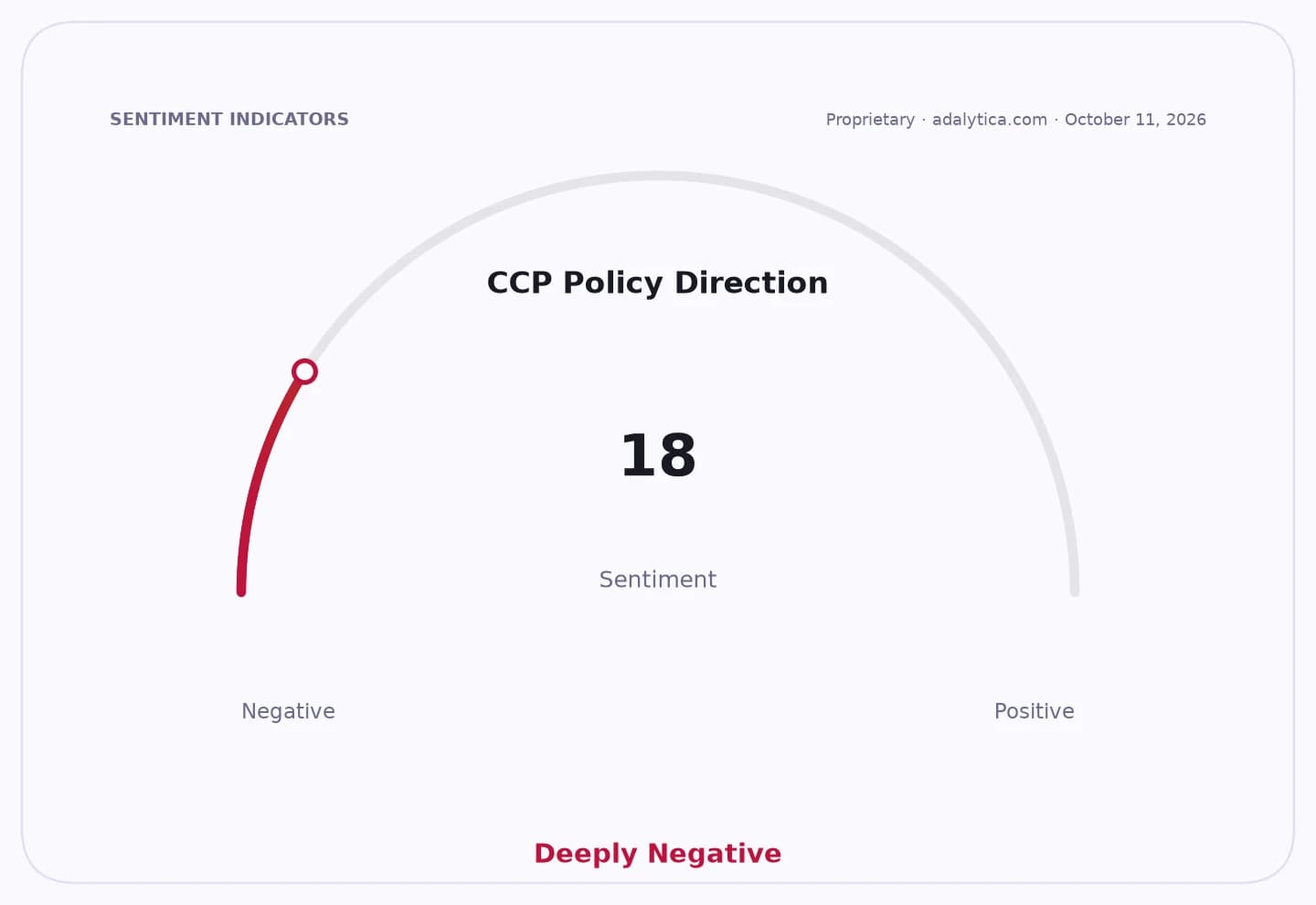
Sentiment Indicators

That would be a meaningful economic headwind for BYD’s international expansion, which has been helped by a sixth straight month of sales growth and a doubling of export volumes, according to the news flow around the company. BYD has been pressing into new regions from Brazil to the Gulf, and the overseas push has become central to the investment case as China’s domestic EV market matures and price competition intensifies. Any hint that Europe may treat BYD as a security issue rather than a pure auto competitor raises the odds of non-tariff barriers that can be harder to model than tariffs but just as powerful.
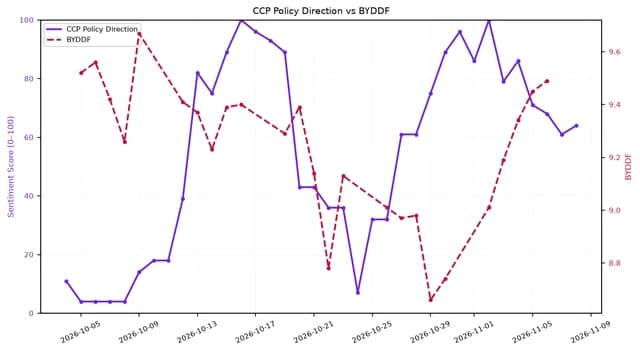
For investors, the market question is not whether BYD can keep selling cars — it is whether the path to scale abroad becomes more expensive, more politicized and more uneven. BYDDF has been under pressure, with the shares around $9.49 recently, well below their 200-day average near $11.51, even after a modest rebound from an October low around $8.78. The stock’s technical backdrop remains fragile, with the 200-day average still above the market price and momentum indicators only gradually recovering. That leaves little margin for a fresh regulatory shock.
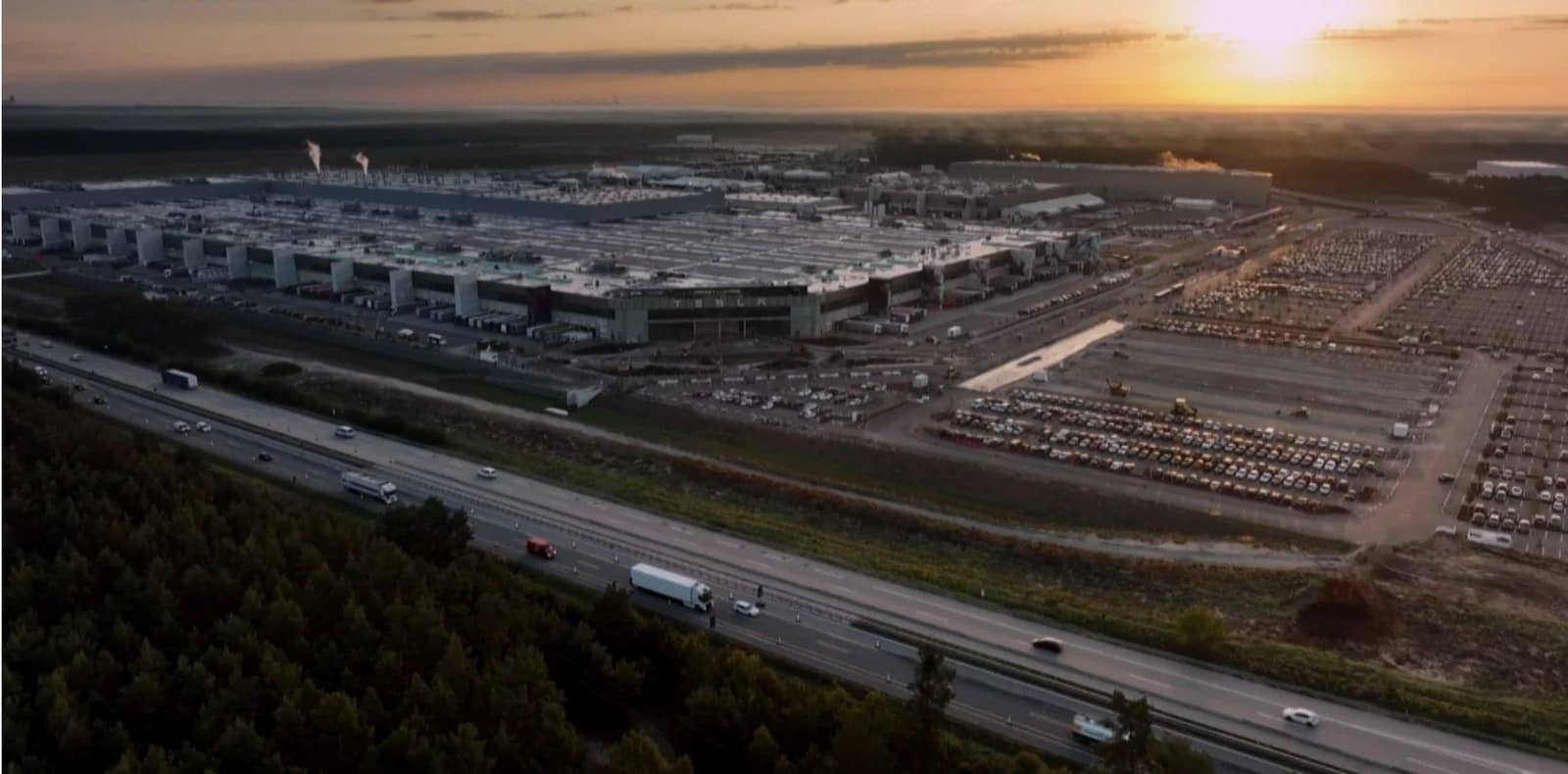
The spillover extends beyond BYD. Tesla and Volkswagen are both exposed to the same European battleground, but they would likely benefit if security concerns slow Chinese EV penetration or give local and U.S. brands more breathing room on pricing and market share. The bigger message is that the EV trade is shifting from a pure industrial competition to a strategic one, where software, sensors, connectivity and national security now matter as much as battery chemistry and range.
The market is still underestimating how quickly this can reshape global auto flows. If Brussels or national governments begin treating Chinese EVs as security-sensitive platforms, the winners will be firms with trusted-brand status, local manufacturing and tighter political ties to Europe. That is why investors should watch BYD not just as an automaker, but as a test case for how far the West is willing to let Chinese technology move into everyday transport.
| Entity | Gains | Losses |
|---|---|---|
| European automakers | ▲Less competition, more market share | ▼Continued pressure if scrutiny fades |
| BYD | ▲Global growth narrative if approvals hold | ▼Higher compliance and access risk |
| European regulators | ▲More leverage over data/security rules | ▼Political blowback if seen as protectionist |
| Tesla | ▲Potentially safer competitive position in Europe | ▼Spillover if EV rules tighten broadly |