Caen la Mer is moving to expand several business parks after rapid land take-up left the Normandy urban area with only about 40 hectares still available, a tightening supply that could otherwise start to constrain local investment.
Caen la Mer expands business parks in Normandy
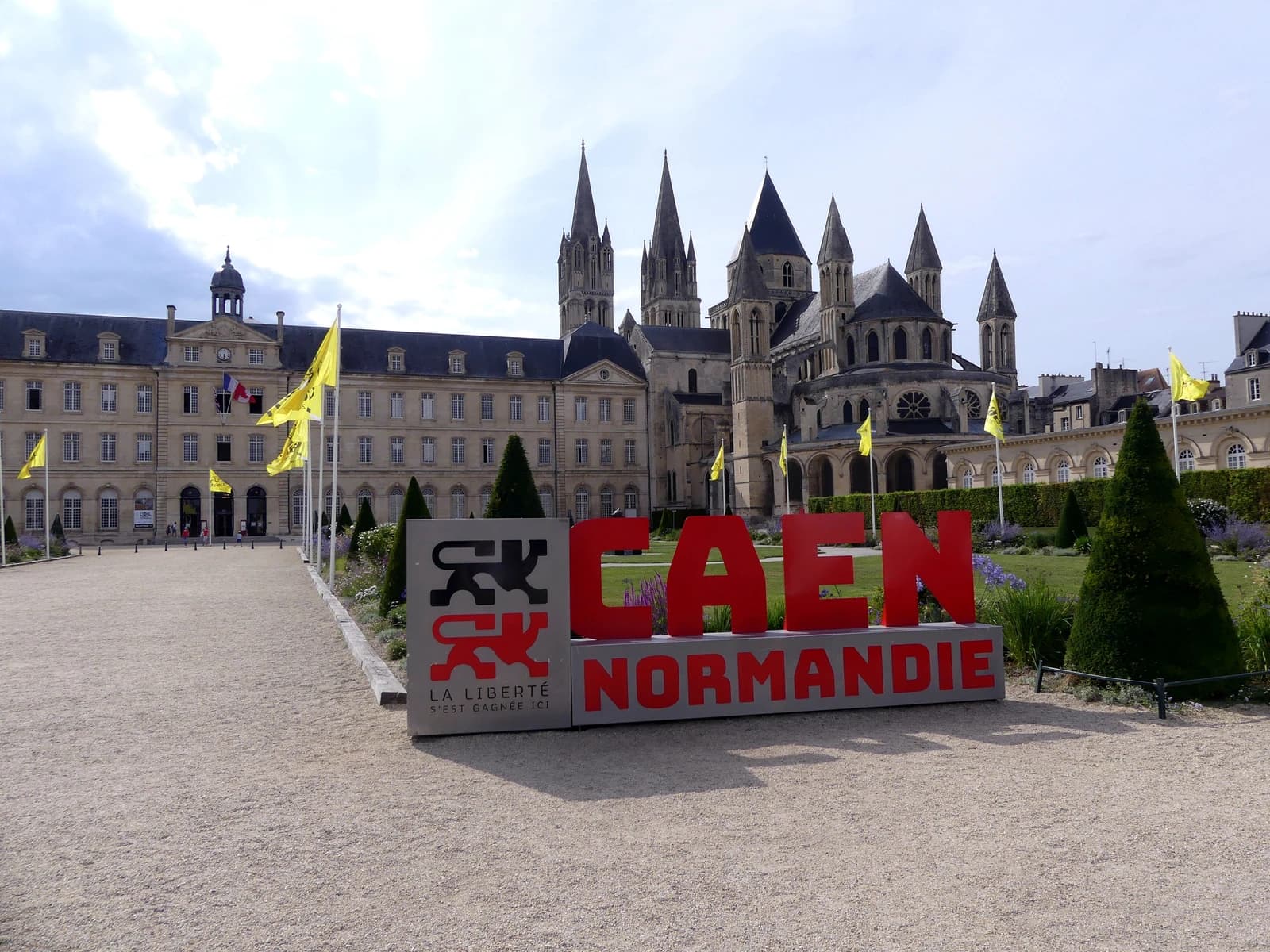
That matters because land is the first bottleneck in a healthy business cycle: if firms cannot secure sites, factories, warehouses and service hubs do not get built, and the local economy loses future jobs, rates revenue and capex-linked growth. With nearly 20 hectares being absorbed each year for the past 15 years, the intercommunal authority is trying to stay ahead of demand rather than chase it after the fact.
The most immediate project is the Martray zone in Giberville, where an extension is already under way and plots are due to be offered to companies from early 2027. Further enlargements are planned in Bretteville-sur-Odon, Carpiquet and the Thue-et-Mue area, signaling that Caen la Mer sees this as a multi-site industrial strategy, not a one-off land grab.
For investors, the message is simple: when local authorities rush to unlock developable land, they are effectively confirming that underlying business demand remains solid. That tends to favor the wider industrial ecosystem — contractors, utilities, transport and logistics operators, and the commercial real estate players positioned to capture new demand — while highlighting the risk for firms that need expansion space but face a scarcity premium.
The market often underestimates how powerful these land-supply decisions can be over a multi-year horizon. More available plots can translate into accelerated private investment, more resilient local employment and a stronger pipeline for municipal infrastructure spending. In a region where business activity is still consuming land at a steady clip, Caen la Mer’s expansion plan is a practical bet that the cycle is not fading.
If you are looking for the best opportunity here, watch the picks-and-shovels around the buildout: developers, civil works firms, grid and water providers, logistics-linked services and industrial property owners stand to benefit most as Caen’s business zones move from shortage to supply.
| Entity | Gains | Losses |
|---|---|---|
| Caen la Mer | ▲More investment capacity | ▼Land scarcity pressure |
| Local businesses | ▲New expansion sites | ▼Fewer immediate available plots |
| Construction and infrastructure firms | ▲More site-development work | ▼None directly |
| Competing regions | ▲Less spillover demand | ▼Lost share of new projects |