Sacramento is preparing to sell a 102-acre parcel it bought for $12 million, a reversal that underscores how higher financing costs and a slower development market are forcing local governments to rethink land-banking strategies.
Sacramento to Sell 102-Acre Parcel

The move matters because public entities often justify large land purchases as catalysts for future housing, jobs and tax revenue. When a city decides to exit rather than build, it usually reflects a change in the economics of development: the carrying costs of vacant land rise, while the timeline for entitlements, infrastructure and construction gets longer and more expensive. In a market where mortgage rates and commercial borrowing costs remain elevated relative to the last cycle, even well-located sites can sit idle longer than planned.
The price tag also makes the decision economically sensitive. Sacramento’s $12 million outlay tied up capital in a large tract that had been intended for development. Selling now may help the city recover cash and limit exposure to maintenance, financing and opportunity costs, but it could also crystallize a loss if the resale market has weakened or if the land’s value has been constrained by the same conditions slowing private projects.
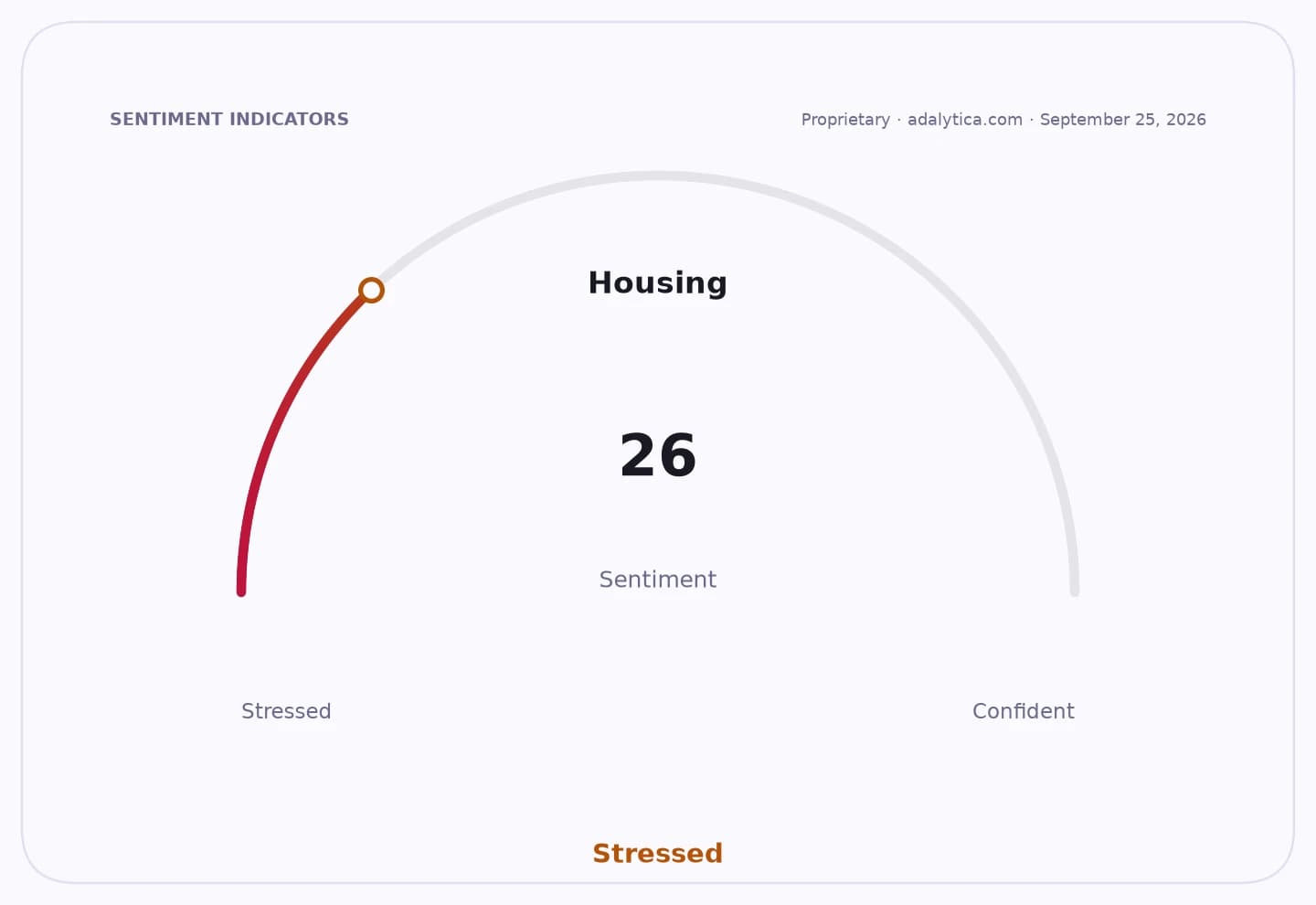
That backdrop is consistent with the broader housing market. The Case-Shiller index shows U.S. home prices continuing to rise, but at a much slower pace than during the pandemic surge, suggesting affordability remains stretched even as demand persists. That matters for a site meant for development because land values, project feasibility and end-demand for new homes are closely linked. If developers cannot pencil out projects at current rates, cities are left holding assets that are expensive to maintain and difficult to monetize.
For investors, the story is less about one parcel than about the shifting economics of land acquisition and public-private development. Local governments that bought land near the top of the market may now face pressure to sell, partner or rezone to attract capital. That could create opportunities for private developers and infrastructure buyers, but it also raises the risk that planned projects are delayed, resized or repriced.
The clearest takeaway is that the development pipeline in places like Sacramento is still constrained not by a lack of land, but by the cost of turning land into buildable inventory. Until borrowing costs ease and project economics improve, more public owners may choose liquidation over patience.
| Entity | Gains | Losses |
|---|---|---|
| Sacramento city government | ▲Cash recovery | ▼Development upside |
| Private developers | ▲Cheaper entry opportunities | ▼Fewer public subsidies |
| Local taxpayers | ▲Reduced carrying risk | ▼Delayed growth benefits |
| Future homebuyers | ▲Potentially more supply later | ▼Near-term project delays |