Real estate investment creates jobs in two waves: first during construction, then for years after a building opens. That matters because property is not just a source of rent and capital gains — it is a job engine that pulls in builders, suppliers, operators and, later, the retailers, technicians and managers who keep a property alive.
VNQ and XHB Weak as Real Estate Jobs Outlook
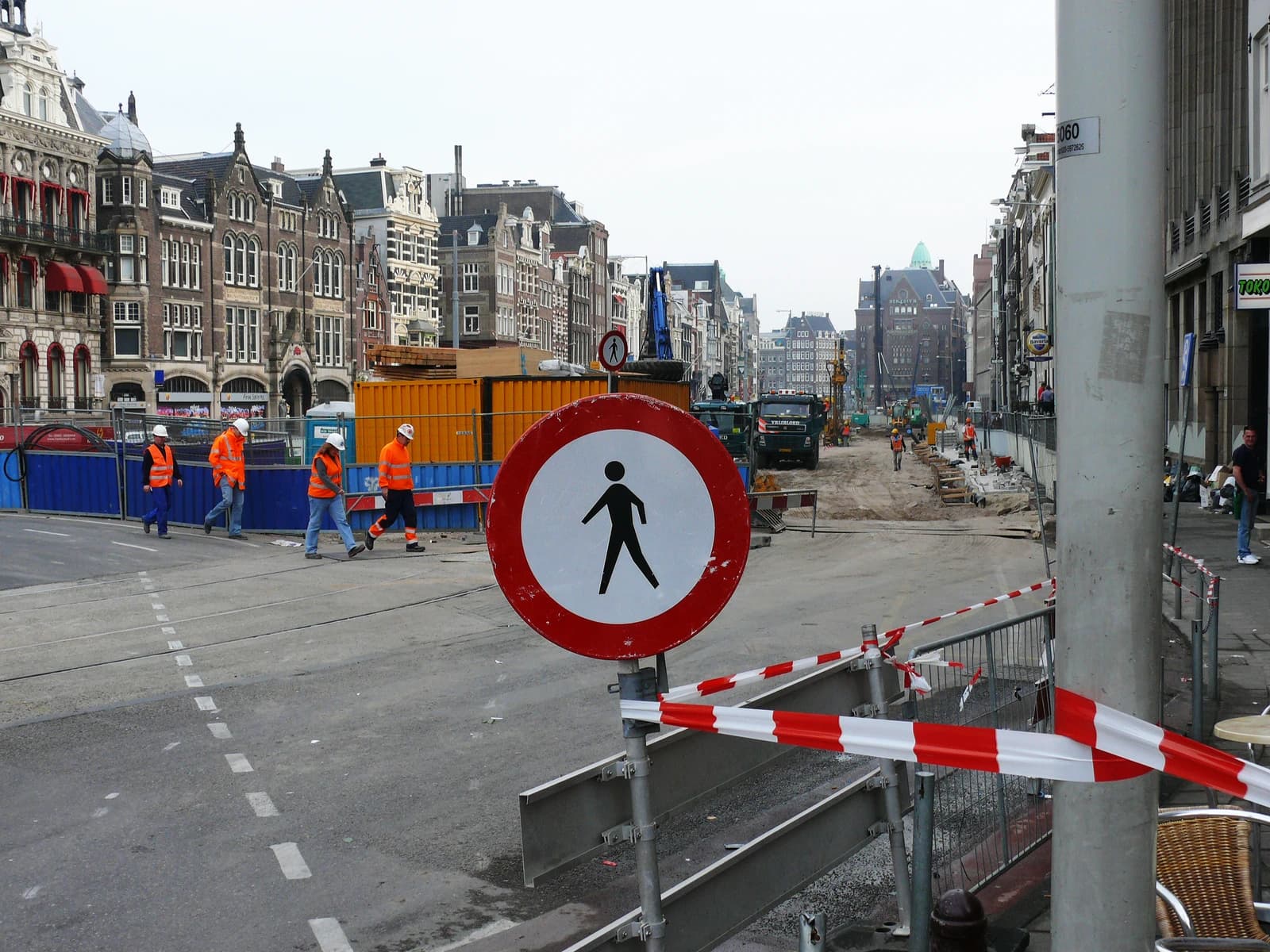
For investors, that job creation helps explain why commercial real estate can be more resilient than it looks from the outside. A new office tower, logistics hub or shopping center does not simply sit on a balance sheet. It draws hiring across the construction chain and then supports recurring employment once tenants move in. That means real estate demand feeds broader local spending, which can support occupancy, rental growth and long-term cash flow.
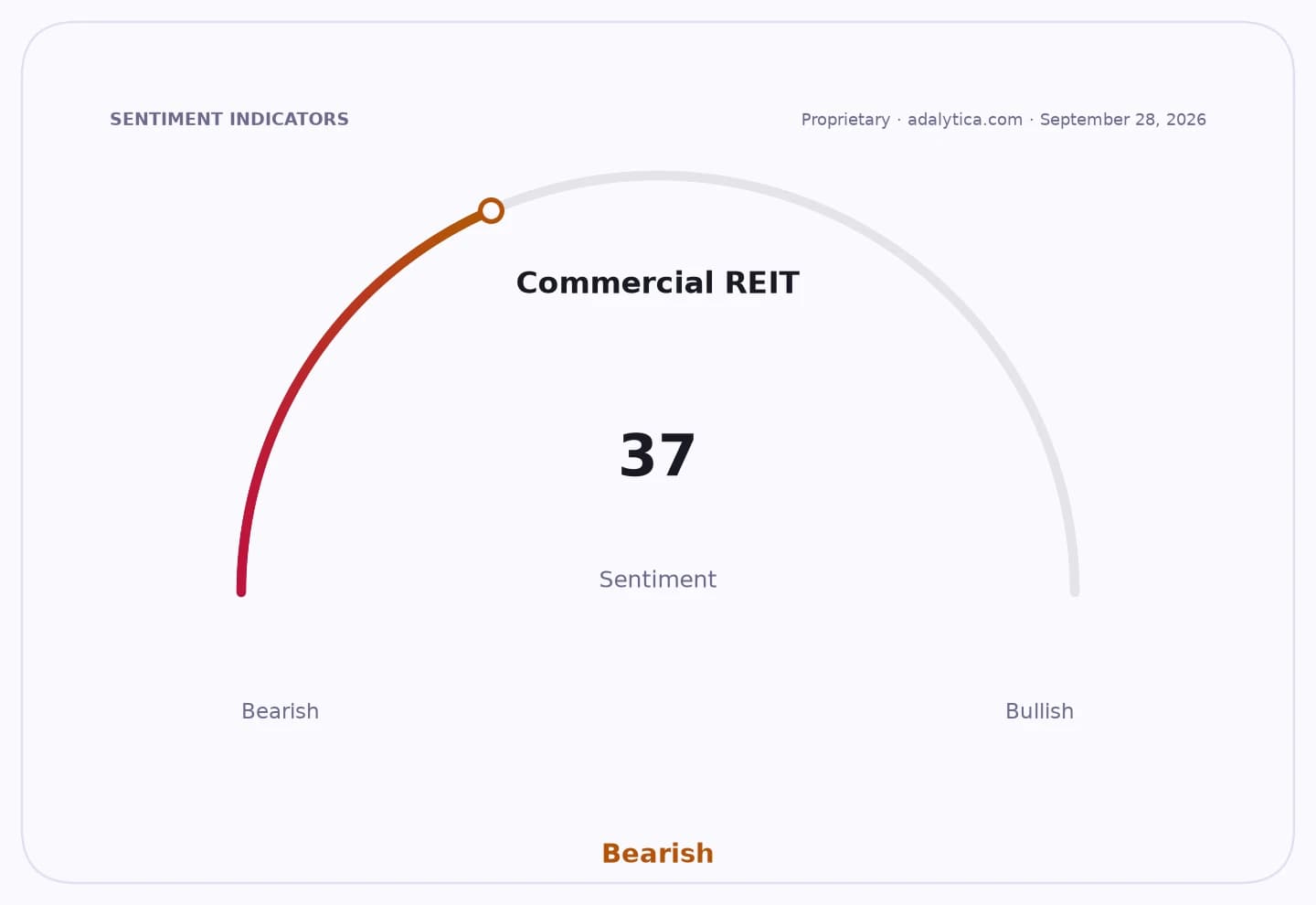
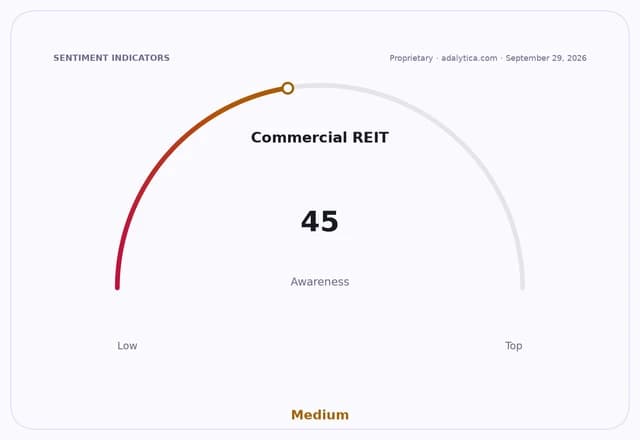
Sentiment IndicatorsⓘProprietary · adalytica.com · September 29, 2026
This is a snapshot — live sentiment, awareness and momentum for 130+ markets update continuously in the dashboard.Open AlphaPulse
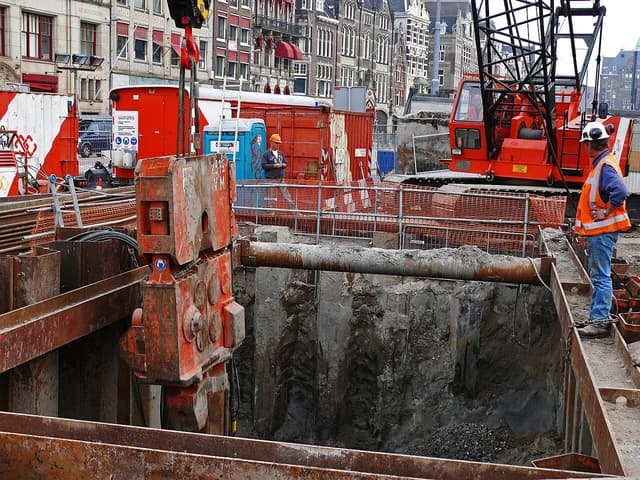
The construction phase is the first obvious boost. Before the first truck even arrives on site, market analysts, surveyors, architects, engineers and designers are already at work. Once building begins, contractors, machine operators, steelworkers, electricians, plumbers and HVAC specialists come in. The benefit extends beyond the job site to materials suppliers, equipment rentals and transport firms that need more workers to service large projects.
That second layer is the one long-term investors should pay attention to. Once a commercial property is completed and licensed for use, it starts generating permanent jobs through the landlord, property manager and tenants. Logistics centers need forklift operators, warehouse workers, logistics planners and automation managers. Office buildings can house anywhere from dozens to thousands of employees in IT, finance and business services. Retail parks and malls support sales staff, restaurant workers, security teams and maintenance crews.
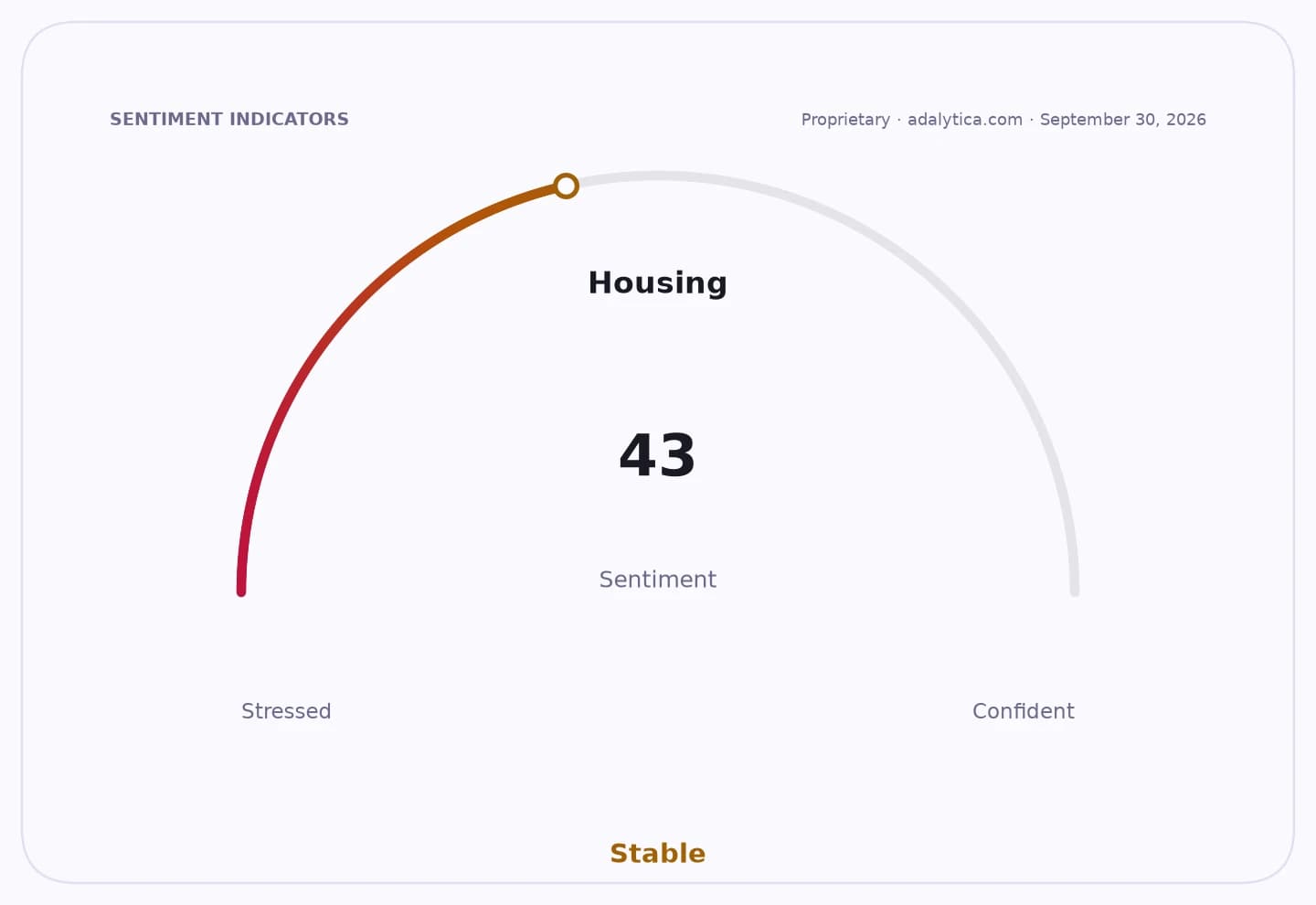
HOUST vs UNRATE — macro contextadalytica.com
Explore this data interactively — full history, time series and cross-market comparisons.Open AlphaPulse
The local spillover is just as important. A major new complex can attract hundreds or thousands of workers to one area, and that usually means more lunchtime restaurants, coffee shops, child care, gyms, laundries and transport services nearby. In other words, real estate investment often creates not just direct employment but a small economic ecosystem around it.
That is why property markets matter even when headline sentiment is shaky. The latest readings for broad U.S. real estate funds such as VNQ and the homebuilder ETF XHB show weakness in recent trading, with both slipping below key moving averages and their RSI readings pointing to short-term pressure. But that kind of market volatility can obscure the bigger picture: real estate remains tied to employment, infrastructure and local growth, not just sentiment.
For investors, the takeaway is straightforward. Commercial real estate is a long-duration asset class that benefits when buildings are occupied and the surrounding economy is active. In the years ahead, logistics, data centers, modern offices and neighborhood retail tied to durable population growth are likely to remain the best examples of real estate’s job-creation power. If you are investing for the long term, this is a sector worth watching, not because it is always exciting, but because it compounds quietly through payrolls, leases and local demand.
| Entity | Gains | Losses |
|---|---|---|
| Developers and builders | ▲Construction jobs and contracts | ▼Idle capital if projects stall |
| Property owners and REITs | ▲Rental income and occupancy support | ▼Higher vacancy if demand weakens |
| Tenants and local businesses | ▲Foot traffic and labor supply | ▼Higher operating costs in hot markets |
| Nearby communities | ▲More jobs and services | ▼More congestion and competition for space |