Cambodia’s crackdown on online scam compounds is dismantling a multibillion-dollar criminal industry, but it is also trapping hundreds of migrant workers in legal and humanitarian limbo, including an African man who spent nearly a year in the country trying to get home.
Cambodia Revokes Casino Licenses in Scam Crackdown
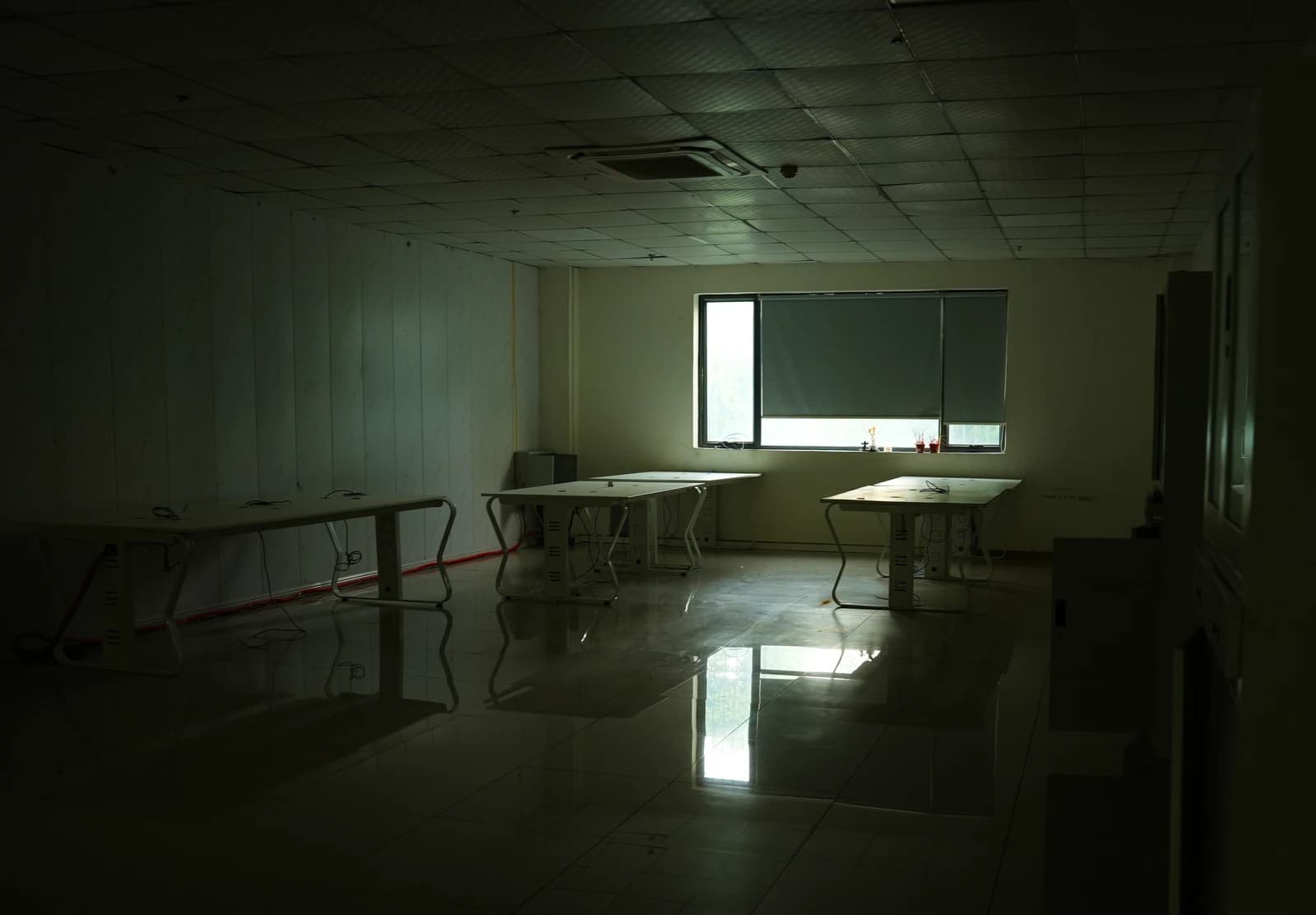
That makes the government’s enforcement push more than a law-and-order campaign. The raids are choking off a source of illicit cash and forcing authorities to confront the aftermath of an economy built around fraud, forced labor and cross-border trafficking — a web that has pulled in workers from Africa, Asia and Latin America with false promises of well-paid jobs.
Sentiment Indicators
Authorities have revoked 18 casino licenses linked to the Prince Group network and suspended another 10, part of a broader effort to shut down scam operations tied to human trafficking and other crimes. Cambodia has said it dismantled larger compounds and seized $1 billion in assets from one alleged network, but it has not detailed prosecutions of senior political and business figures accused by the U.S. Congress of enabling the industry.
For investors and companies with exposure to Cambodia’s casino, property and cross-border services sectors, the clampdown raises the risk of asset freezes, license revocations and tighter scrutiny of politically connected operators. It also underscores how deeply the scam economy had become embedded in local financing and real estate, and how hard it may be to unwind without broader damage.
The human toll remains visible in Phnom Penh, where former scam workers have been stranded for months after raids emptied compounds but left them without passports, money or a clear legal path home. Cambodian police and immigration authorities have detained some of them, while charities and diplomats have tried to arrange repatriations.
The Ghanaian man at the center of the latest account said he was lured with the promise of a $1,000-a-month receptionist job, beaten after refusing to work as a “chatter” for the scam ring and demanded to pay $6,000 for his freedom. He was eventually flown home on Oct. 14, nearly a year after arriving, but said he still cannot afford to reunite with his family.
The crackdown is likely to continue, but the bigger test for Cambodia is whether it can pair enforcement with credible victim screening, prosecutions of network leaders and coordinated repatriation efforts. Until then, the cost of dismantling the scam economy will keep falling on the people it trapped.
| Entity | Gains | Losses |
|---|---|---|
| Cambodian authorities | ▲Control over scam sites | ▼Pressure to handle stranded workers |
| Victims and migrant workers | ▲Chance of repatriation | ▼Detention, abuse, job loss |
| Casino and network operators | ▲None | ▼License revocations, asset seizures |
| Local economy tied to scam hubs | ▲None | ▼Lost illicit revenue and scrutiny |