Can Tho’s effort to build a more sustainable rice value chain is increasingly about economic survival as much as environmental stewardship, with the Mekong Delta facing higher salinity, drought and erratic rainfall that threaten yields, farm incomes and export reliability.
Can Tho Pushes Sustainable Rice Chain
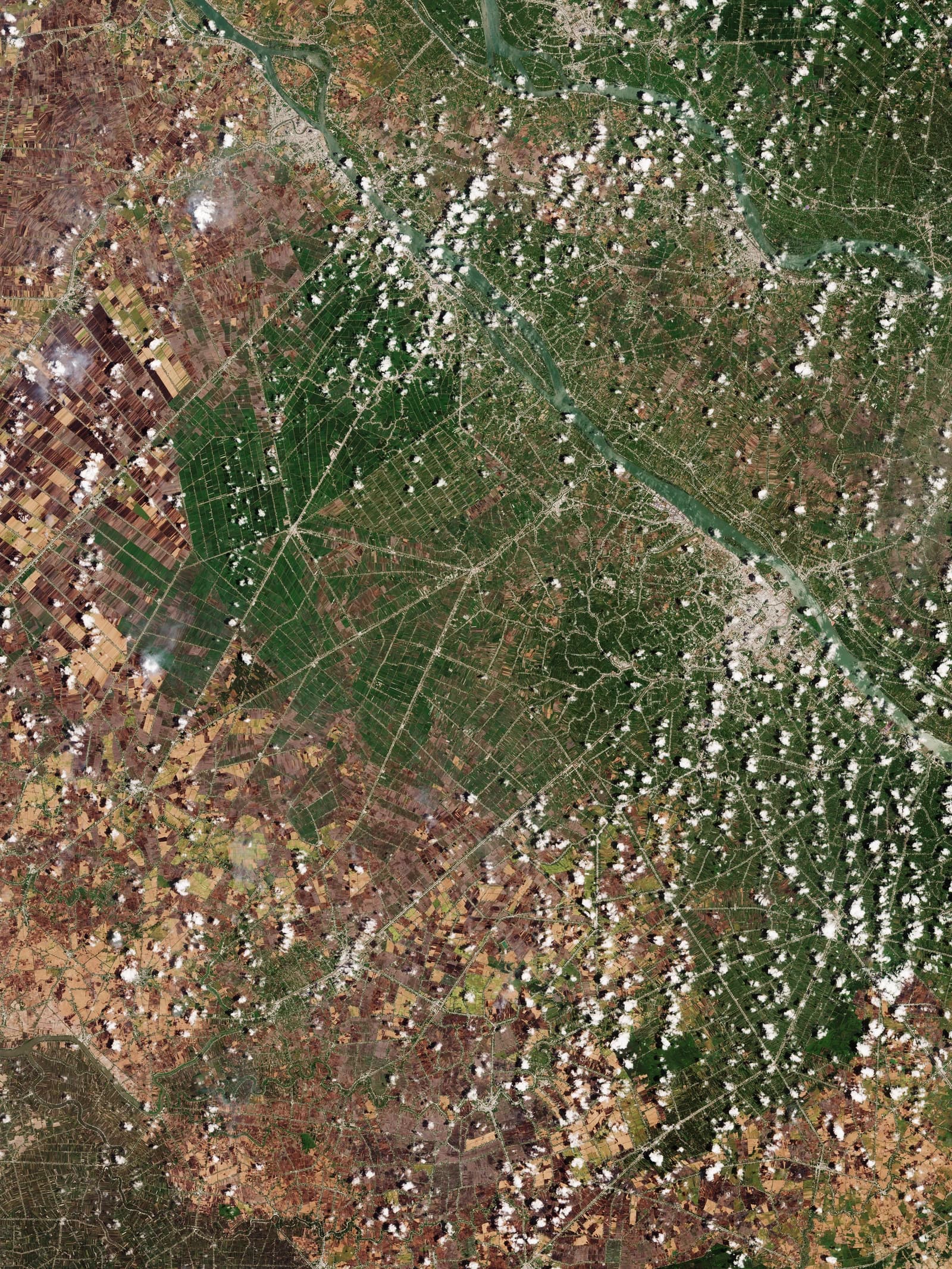
The city’s strategy matters because rice is not just a staple crop in southern Vietnam; it is a key source of export earnings, rural employment and food security. As climate stress intensifies across the delta, the question for policymakers and agribusinesses is no longer whether farming practices must change, but how fast the transition can be financed and scaled without compressing margins for growers and millers.
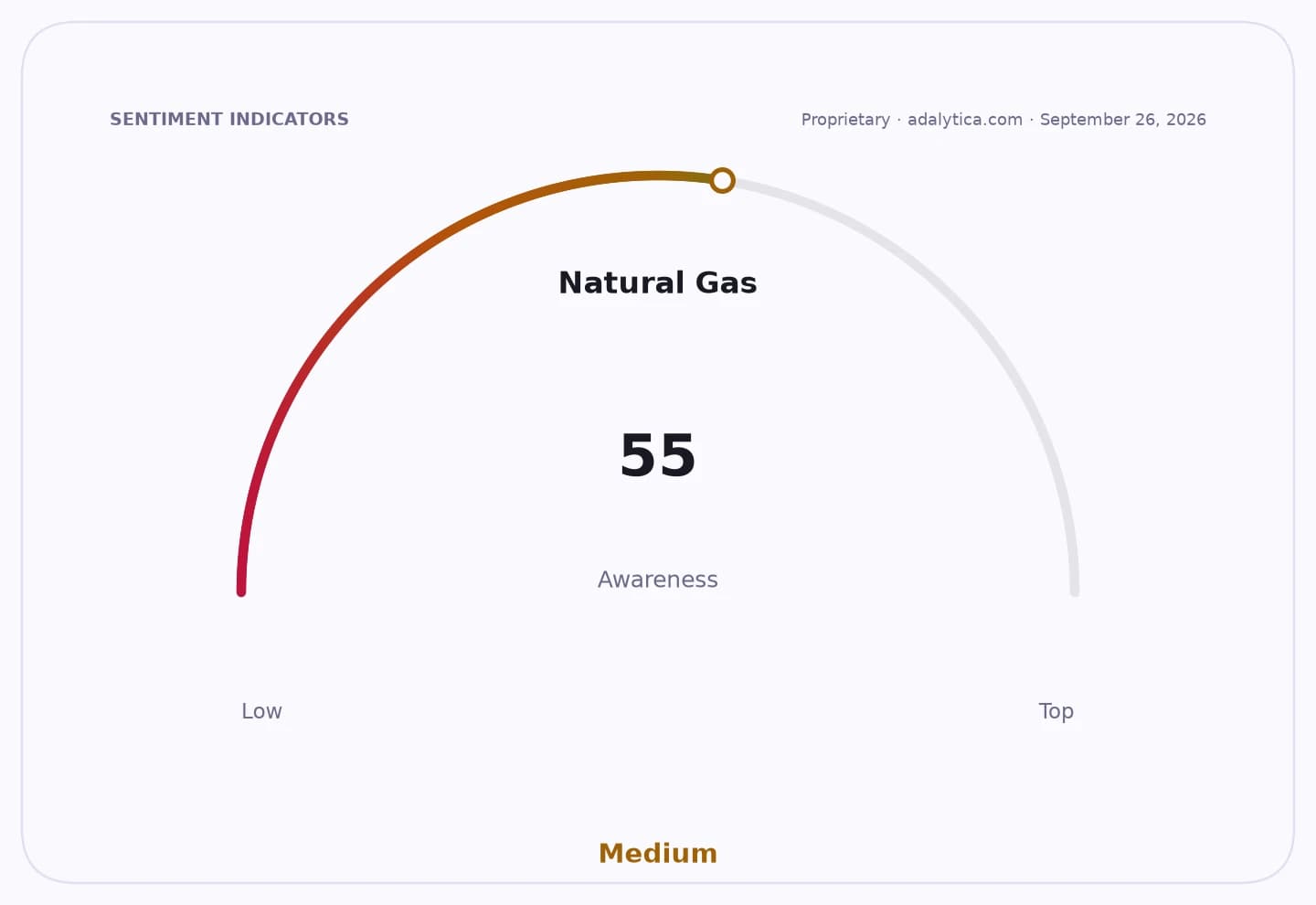
Sentiment IndicatorsⓘProprietary · adalytica.com · July 24, 2026
This is a snapshot — live sentiment, awareness and momentum for 130+ markets update continuously in the dashboard.Open AlphaPulse
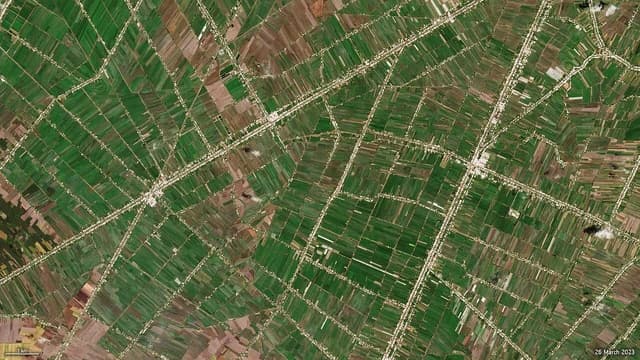
The shift toward a lower-carbon, more resilient rice chain is also a response to market pressure. Buyers in Asia, Europe and the Middle East are demanding more traceable and sustainably produced grain, while governments are tying agricultural support to emissions reduction and water efficiency. That creates a potential premium for producers able to document lower inputs, better irrigation management and more consistent quality, but it also raises the bar for smaller farms that lack capital to upgrade seed, machinery and storage.
For investors and traders, the story speaks to supply-chain durability rather than a near-term volume boom. Climate adaptation can reduce volatility in output over time, support more stable export contracts and improve access to higher-value markets. But the transition is costly: farm consolidation, processing upgrades and certification systems require upfront spending, and returns may not be immediate. The beneficiaries are likely to be integrated rice processors, exporters and input suppliers with scale, while the pressure falls on fragmented growers, traders dependent on thin margins and buyers exposed to climate-linked supply disruptions.
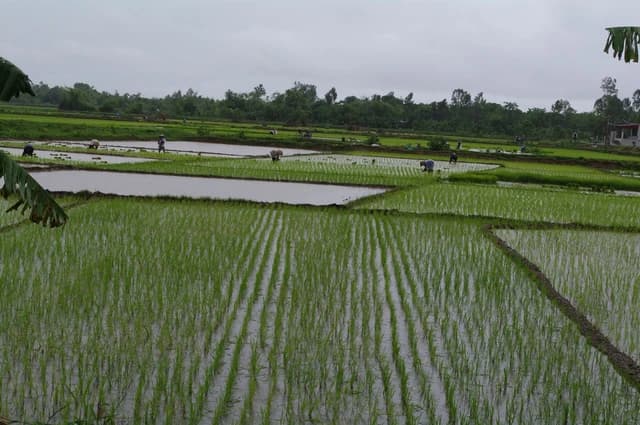
The broader narrative is that Vietnam’s rice sector is moving from a model built on output expansion toward one defined by resilience, quality and emissions discipline. That aligns with wider Asian food-security efforts as weather shocks become more frequent and agricultural policy shifts from subsidizing production to protecting long-term supply. The investment case will depend on whether Can Tho can turn sustainability from a policy slogan into a measurable advantage in yield stability, price realization and export access.
What to watch next is whether the region can secure financing, technical adoption and farmer participation at scale. If it can, the sustainable rice chain could become a template for the Mekong Delta and a modest but meaningful hedge against climate risk in one of the world’s most important rice baskets.
| Entity | Gains | Losses |
|---|---|---|
| Can Tho farmers | ▲Better resilience | ▼Higher upgrade costs |
| Rice exporters | ▲More reliable supply | ▼Margin pressure |
| Climate-conscious buyers | ▲Traceable grain | ▼Higher procurement costs |
| Smallholders | ▲Access to support | ▼Risk of being left behind |