Canada is moving from rhetoric to retaliation, and that matters because a broader North American tariff fight can raise costs, disrupt supply chains and keep investors on edge just as the market is already pricing in plenty of uncertainty.
Canada Retaliatory Tariffs Hit U.S. Imports

Ottawa said it will impose “dollar-for-dollar” retaliatory tariffs of as much as 50% on more than 700 U.S. products, worth about $20 billion, starting Sept. 8. The targets stretch from steel and cheese to fish and paper goods, underscoring that this is no narrow political gesture but a direct hit on cross-border commerce.

For the economy, the significance is straightforward: tariffs are a tax on trade. They tend to show up first in higher input costs for manufacturers and retailers, then in tighter margins, and eventually in consumer prices if companies decide they cannot absorb the hit. That is especially important in North America, where supply chains are deeply integrated and a product can cross the border several times before it reaches the shelf.
The move also raises the odds of escalation. The U.S. has threatened countermeasures of up to 50% on Canadian car and steel imports, which would be especially painful for autos, industrials and any company exposed to just-in-time manufacturing. For investors, that means more pressure on earnings visibility and more incentive to favor businesses with pricing power, diversified sourcing and strong free cash flow.
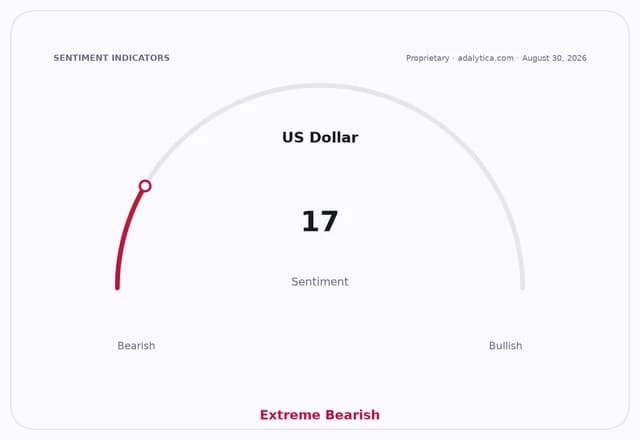
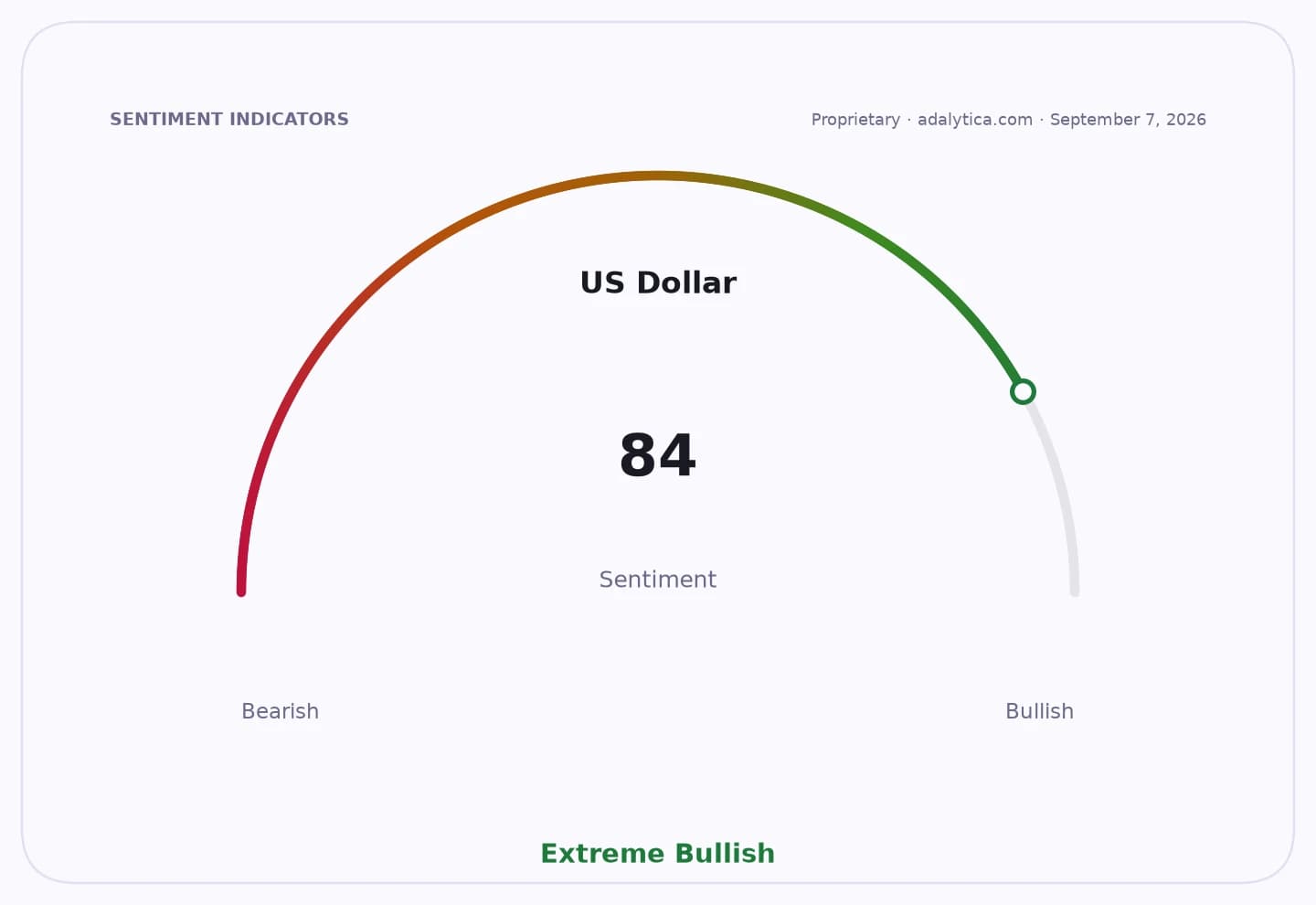
Markets have been living with tariff headlines for months, but the latest round is a reminder that trade policy can still move earnings faster than many forecasts do. Canadian shares, U.S. industrial suppliers and consumer-facing companies with heavy import exposure are the most obvious pressure points. A firm Canadian dollar can soften some of the blow for importers, but the bigger issue is not the currency pair itself — it is the uncertainty now hanging over cross-border orders, inventories and capital spending.
Bond markets are also part of the story. The 10-year U.S. Treasury yield is hovering around 4.6%, while the 2-year is near 4.2%, levels that already make financing more expensive than investors were used to for much of the past decade. If tariffs feed into inflation rather than growth, that keeps pressure on the Federal Reserve and complicates the case for faster rate cuts. In other words, trade friction can become a macro problem, not just a corporate one.
For long-term investors, the lesson is not to panic over one headline but to respect the pattern. Trade wars rarely stay contained, and the companies that usually win are the ones that can pass along costs, source flexibly and keep compounding through the noise. That is why diversified portfolios and patient time horizons still matter more than trying to trade every policy swing. This is a story worth watching closely, especially for anyone exposed to autos, industrials, consumer staples and cross-border supply chains.
| Entity | Gains | Losses |
|---|---|---|
| Canadian government | ▲Retaliatory leverage | ▼Trade stability |
| U.S. exporters | ▲Little in the short term | ▼Access to Canadian market |
| Canadian buyers | ▲Some political cover | ▼Higher import prices |
| Multinational manufacturers | ▲Incentive to localize supply | ▼Margin pressure and delays |