Indian visitors cannot legally take jobs in Canada on a visitor visa, and the rule matters because working without authorization can trigger visa cancellation, removal and future travel bans that carry real financial and immigration costs for both workers and employers.
Canada visitor visa work rules for Indian visitors
Canada’s visitor visa allows tourism, family visits and certain business activities, but not paid employment. Anyone who wants to work generally needs a valid work permit, and in many cases an employer must first secure a Labour Market Impact Assessment or qualify for an exemption before a foreign worker can be hired.
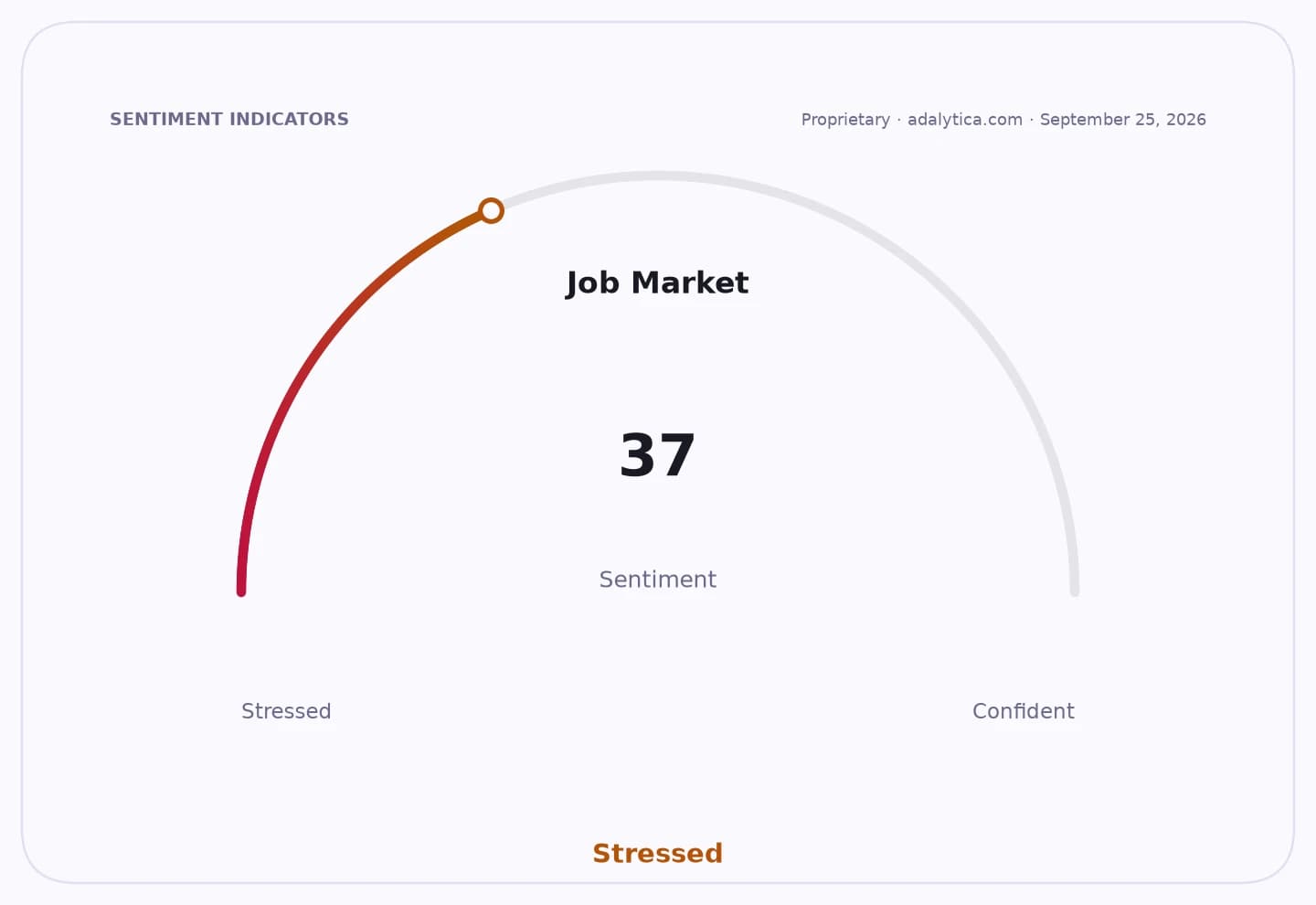
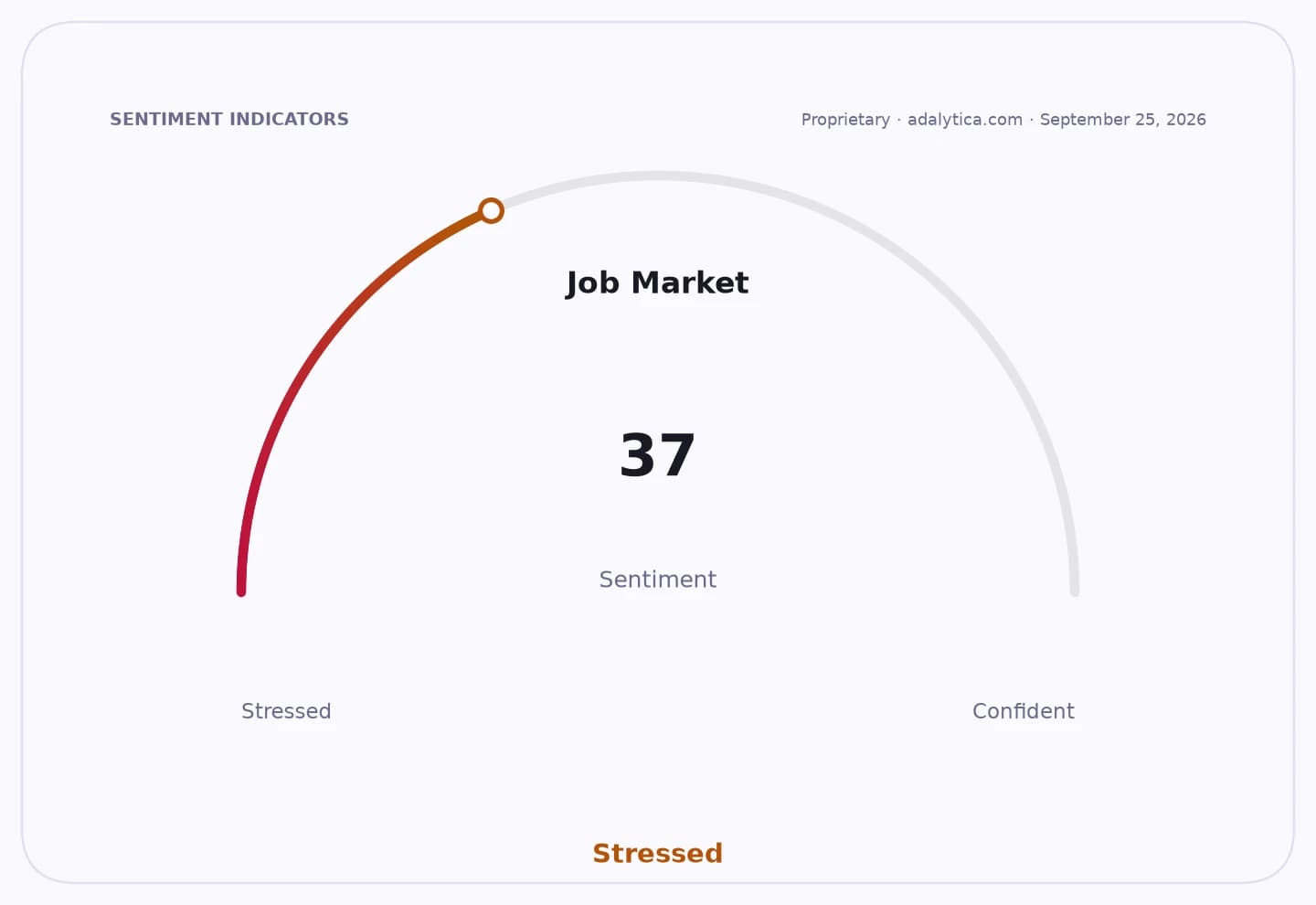
Sentiment IndicatorsⓘProprietary · adalytica.com · September 6, 2026
This is a snapshot — live sentiment, awareness and momentum for 130+ markets update continuously in the dashboard.Open AlphaPulse
The distinction is important for Indian applicants because Canada remains a major destination for students, temporary workers and family migration, and many people seek to extend their stay after arriving as visitors. That has made compliance a recurring issue for immigration authorities, which have stepped up scrutiny of unauthorized work as they try to protect the labor market and preserve the integrity of the temporary resident system.
For investors and employers, the rules affect labor supply in sectors that rely on foreign workers, including hospitality, caregiving, retail and construction. Businesses that hire people without proper authorization can face penalties, compliance audits and reputational damage, while legitimate employers may benefit from a clearer pool of workers who have the right permits.
Canada’s immigration framework also has broader economic implications. Temporary workers help fill shortages in an economy facing tight labor conditions, but the system depends on enforcement to prevent wage undercutting and abuses that can distort competition.
The message for Indians planning to work in Canada is straightforward: a visitor visa is not a work visa, and crossing that line can jeopardize the ability to stay, return or later apply for permanent residence. The key catalyst remains whether Ottawa tightens enforcement further or expands permit pathways for sectors still short of labor.
| Entity | Gains | Losses |
|---|---|---|
| Canadian employers using legal permits | ▲Access to compliant labor | ▼Less flexibility on staffing |
| Foreign workers with work permits | ▲Legal employment access | ▼Longer approval timelines |
| Canada immigration authorities | ▲Stronger rule enforcement | ▼Added administrative burden |
| Unauthorized workers | ▲None | ▼Fines, removal, future bans |