Cash handling demand is getting a lift from the global anti-counterfeit push, with banks, retailers and cash-intensive businesses facing more pressure to verify banknotes quickly and accurately as seizures and arrests rise across multiple regions.
Cash Handling Equipment Gains From Anti-Counterfeit Push
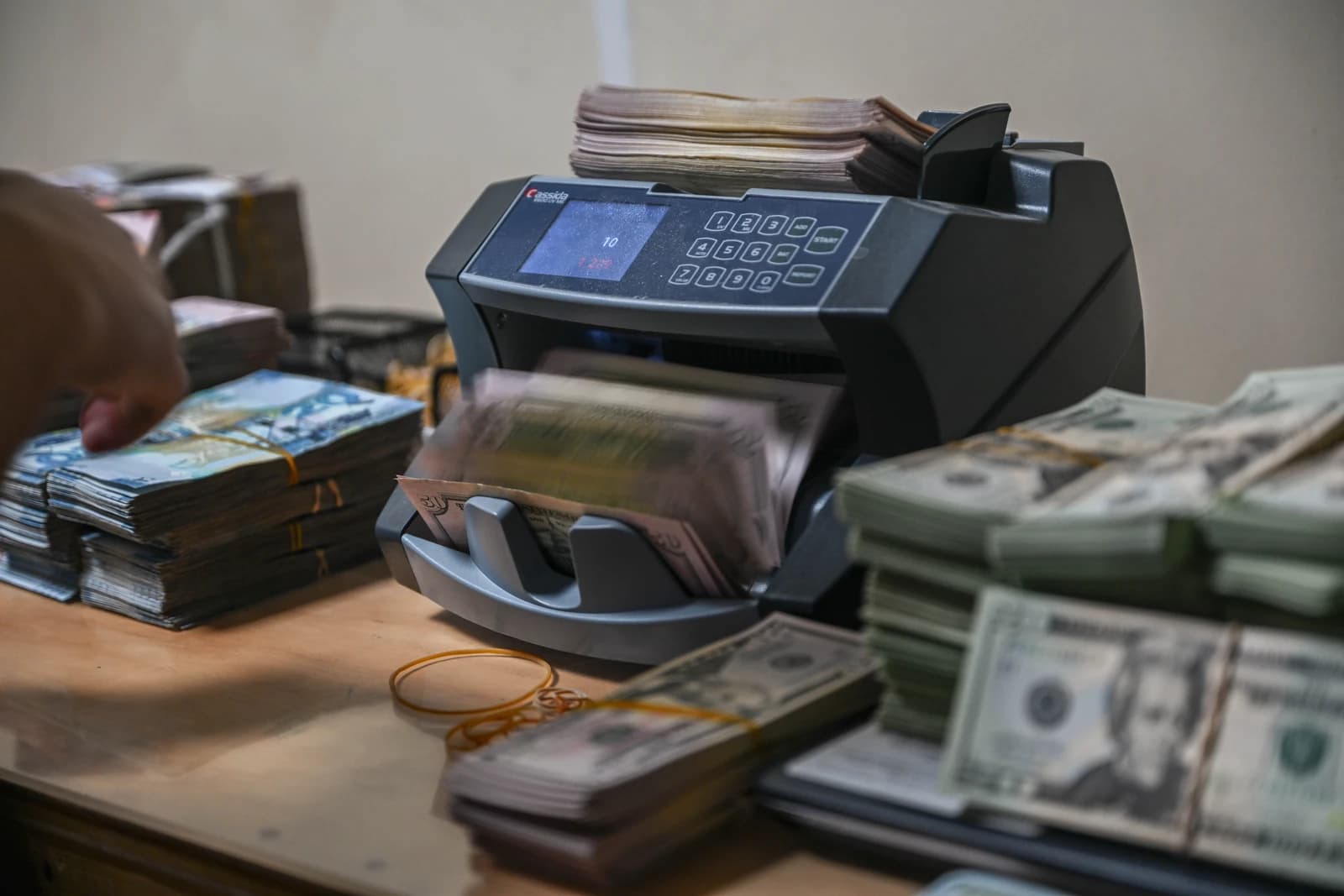
That backdrop matters for investors because tighter enforcement and higher fraud risk typically support sales of currency verification equipment, including multi-currency counters with ultraviolet, magnetic, infrared and dimensional counterfeit detection. In other words, the more authorities disrupt fake-note networks, the more merchants and cash operators tend to spend on front-line defenses.
Sentiment IndicatorsⓘProprietary · adalytica.com · September 8, 2026
This is a snapshot — live sentiment, awareness and momentum for 130+ markets update continuously in the dashboard.Open AlphaPulse
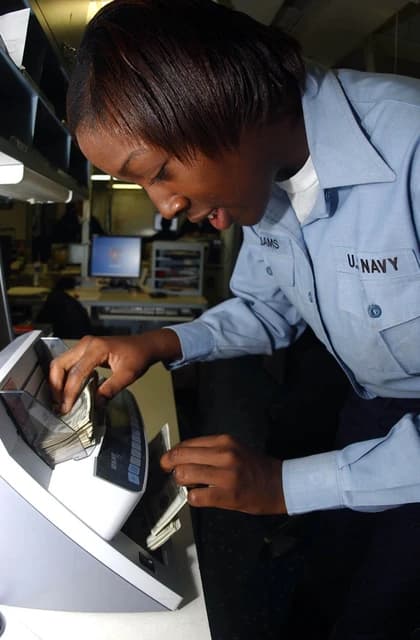
The story comes as cash remains widely used in parts of the world even as digital payments expand, keeping counterfeit detection relevant for small businesses and institutions that still process large volumes of bills. Devices such as the VEVOR banknote counter, which advertises 1,200 notes a minute and mixed-currency detection, sit in a niche that benefits from both volume growth and fear of losses from bad notes.
Market data on CASH, a name tied to cash-handling equipment, shows a volatile but constructive technical setup even after recent weakness. The shares traded at 83.19 on Sept. 4, slightly above both the 50-day moving average of 86.78 and the 200-day moving average of 84.6, while the 14-day RSI at 38.6 suggested the stock had cooled from overbought levels. Momentum indicators have improved from June lows, but the MACD remains marginally negative, pointing to a market still waiting for confirmation that demand is translating into sustained earnings power.
That tension captures the bull and bear case. Bulls can argue that heightened anti-counterfeit enforcement, especially across Europe and Latin America, should support a longer replacement cycle for banknote counting and validation hardware. Bears will counter that the category remains exposed to pricing pressure, uneven retail cash usage and cyclical spending by small businesses.
The broader narrative is that counterfeit enforcement is becoming a recurring operating cost for cash users rather than a one-off headline risk. If seizures keep rising and merchants continue to prioritize loss prevention, suppliers of banknote counters and validation devices could see a steadier demand floor, even if the growth profile remains lumpier than in software or payments.
| Entity | Gains | Losses |
|---|---|---|
| Cash-handling equipment makers | ▲Higher demand for detection devices | ▼Pricing pressure in a fragmented market |
| Banks and retailers | ▲Lower counterfeit losses | ▼Higher compliance and hardware costs |
| Counterfeit networks | ▲None | ▼More arrests and seizures |
| Cash-heavy businesses | ▲Better fraud protection | ▼Added spending on verification tools |