The biggest beneficiary of the electric-vehicle boom is increasingly not the carmaker with the flashiest model, but the battery supplier that sits at the center of the supply chain, with CATL’s scale and pricing power making it one of the clearest winners of the green transition.
CATL Benefits as EV Value Shifts to Batteries
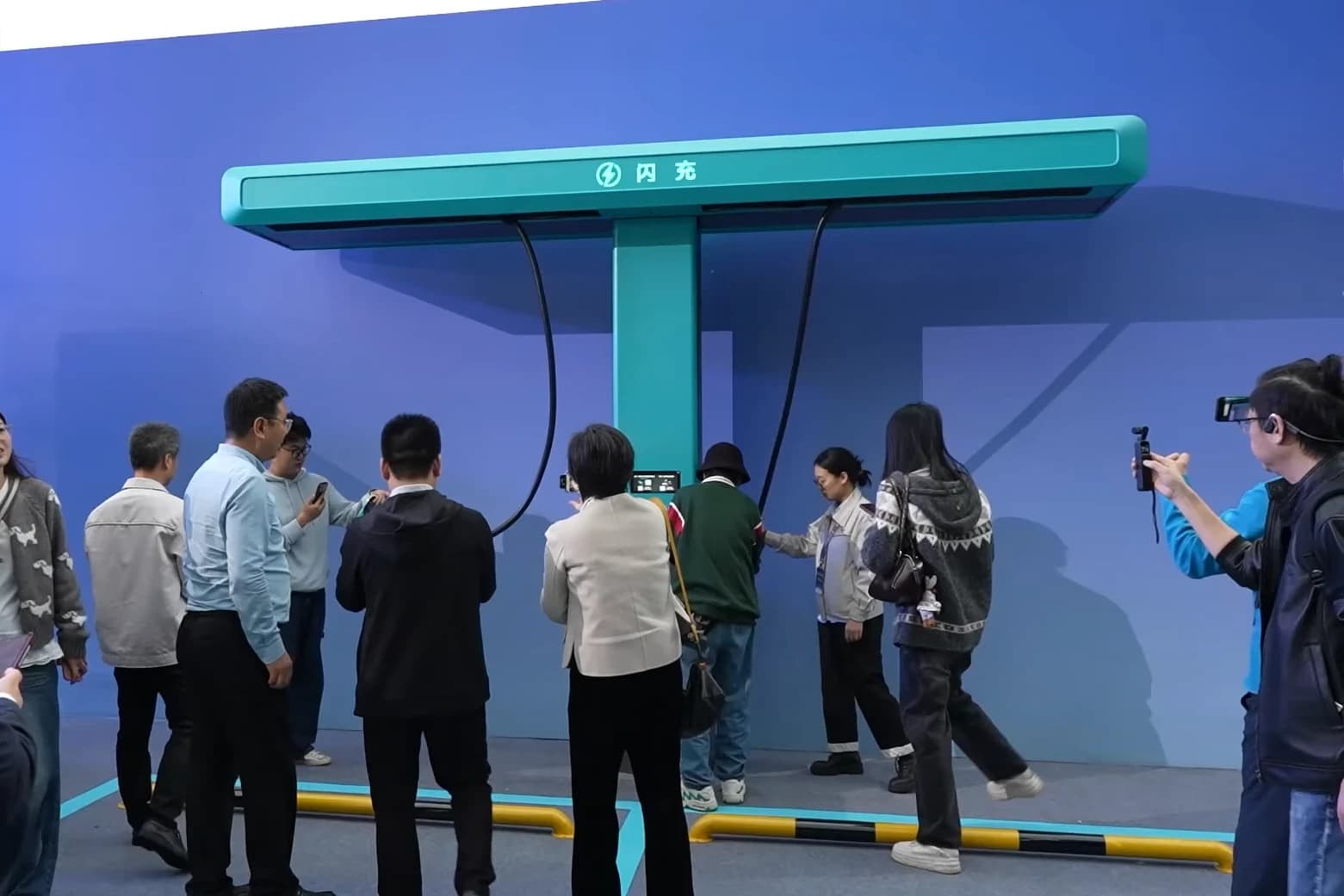
That matters because batteries remain the single most important cost and performance component in EVs. The company that controls cell supply, chemistry and manufacturing capacity can capture value even when vehicle makers face brutal price competition, and that is exactly the position CATL has built as the world’s largest battery manufacturer.
Sentiment IndicatorsⓘProprietary · adalytica.com · July 19, 2026
This is a snapshot — live sentiment, awareness and momentum for 130+ markets update continuously in the dashboard.Open AlphaPulse
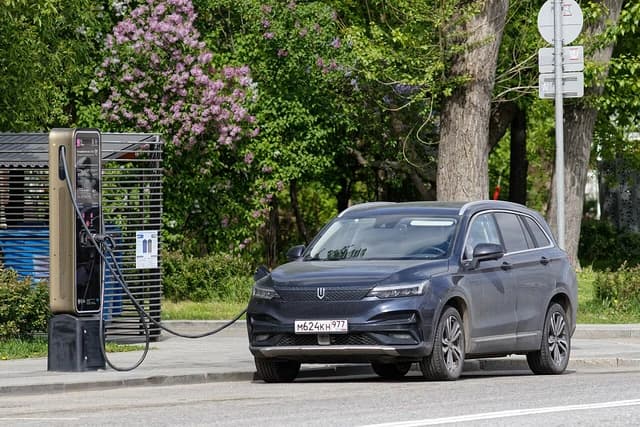
The strategic backdrop is a global EV market that is still growing, but no longer rewarding every participant equally. Consumers are becoming more price sensitive, automakers are pushing for longer range and lower costs, and governments are still prodding the transition forward through subsidies, charging buildouts and industrial policy. In that environment, suppliers with scale can do better than branded OEMs because they benefit from every additional vehicle sold, regardless of which badge is on the hood.
Tesla’s stock action shows how crowded and volatile the EV trade has become. The shares closed at $380.84 in the latest data, below the 50-day moving average of about $409.80 and under the 200-day moving average of roughly $417.05, while RSI readings around 50 and a negative MACD point to a market that has lost some near-term momentum. Even after a period of sharp gains earlier in the year, the recent pattern suggests investors are differentiating more carefully between hype and durable economics.
By contrast, BYD has held up better. Its shares ended at 87.72, above both the 50-day and 200-day moving averages, with momentum indicators still positive enough to suggest steadier sentiment. That relative resilience reflects a broader market truth: in EVs, the companies with manufacturing discipline, battery integration and cost control are more likely to preserve margins than those relying on brand power alone.
For CATL, the thesis is straightforward. A battery maker at scale can benefit from rising EV penetration, the growth of energy storage and the continued shift toward higher-capacity packs, without taking on the same consumer demand risk as automakers. It also sits closer to the industrial core of the transition, where pricing, supply security and technology cadence matter more than marketing.
The bullish case is that the transition still has years of runway. Even as EV adoption slows in some regions, battery demand continues to rise from hybrids, commercial fleets, stationary storage and a new generation of lower-cost cars. The bear case is that competition, especially from Chinese peers and automakers internalizing battery production, could compress margins and weaken the very scale advantage that made CATL dominant.
Investors should read the story as a warning against confusing the EV theme with the auto sector. The real economic rent in the transition has flowed to the companies that control the bottlenecks — cells, materials, charging infrastructure and software — rather than to every vehicle assembler. If that pattern continues, CATL’s position as the battery industry’s scale leader may remain more valuable than the latest model launch from any single carmaker.
| Entity | Gains | Losses |
|---|---|---|
| CATL | ▲battery scale and pricing power | ▼margin pressure from rivals |
| EV makers | ▲access to improved batteries | ▼weaker unit economics |
| Consumers | ▲lower battery costs | ▼slower innovation if margins compress |
| Battery rivals | ▲spillover demand growth | ▼share loss to CATL |
