Central banks are becoming more important to market stability, not less, as war, geopolitical tension and recurring economic shocks unsettle the global outlook, former European Central Bank president Jean-Claude Trichet said.
Central Banks Seen as Key Stabilizers Amid Shocks
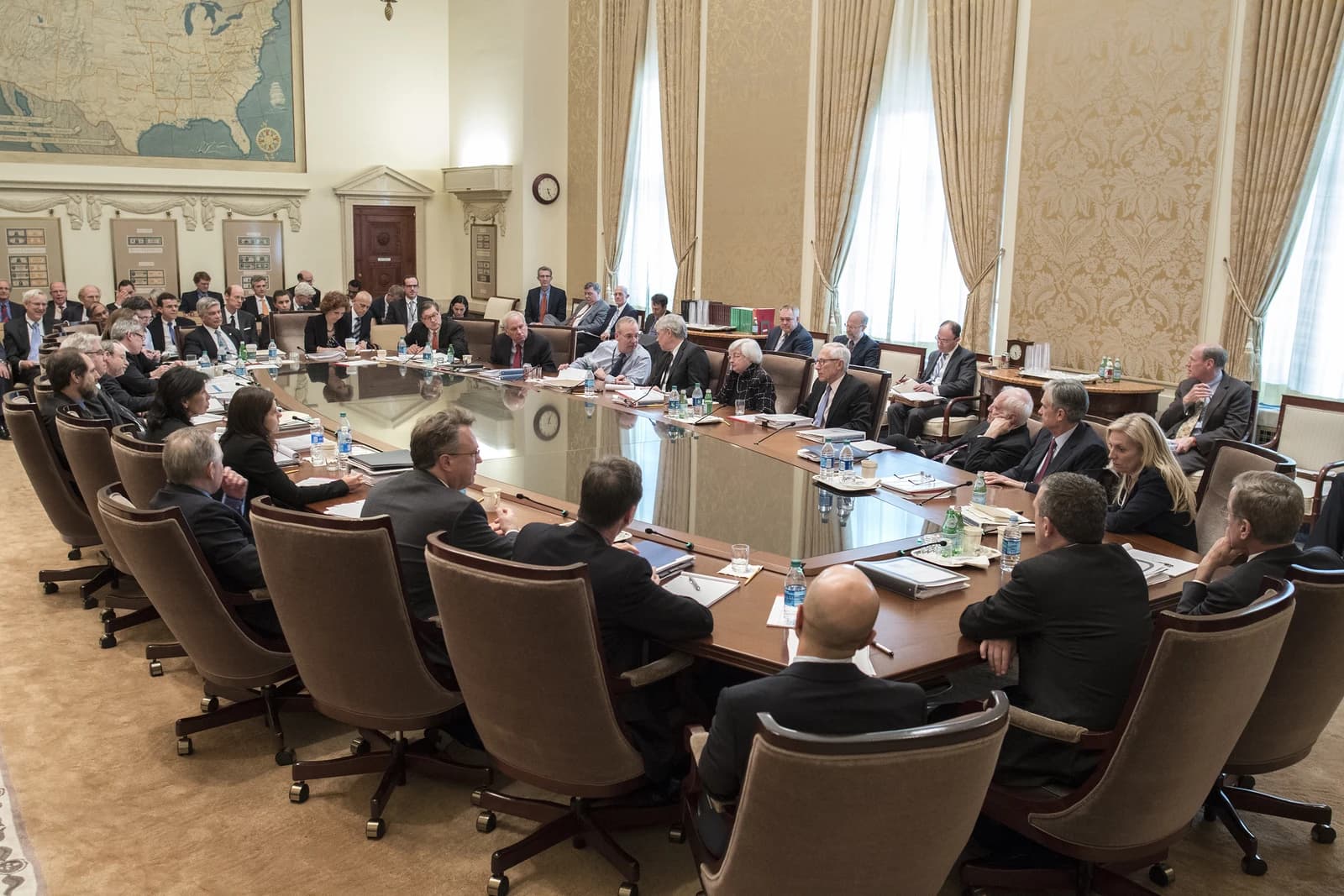
His remarks capture a broader investment reality: monetary policy is no longer just about inflation control or banking oversight. In a world shaped by conflict in Europe and the Middle East, strained supply chains and abrupt shifts in risk appetite, policymakers are being pulled deeper into the role of stabilizers of last resort, with implications for interest rates, currencies, bond yields and financial conditions worldwide.
Sentiment IndicatorsⓘProprietary · adalytica.com · October 3, 2026
This is a snapshot — live sentiment, awareness and momentum for 130+ markets update continuously in the dashboard.Open AlphaPulse
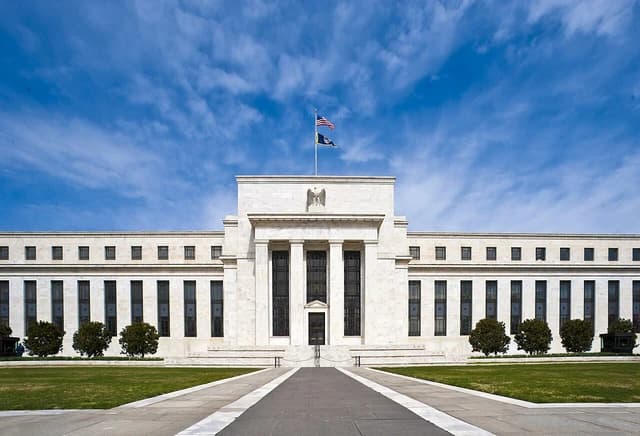
Trichet, speaking on the sidelines of the Kautilya Economic Conclave, said central banks must now think in terms of “stability in general” rather than the narrower mandates of price and financial stability alone. That framing matters because the policy environment remains fragile even after years of aggressive tightening. Global markets are still pricing a path of uneven easing or persistent caution, not a clean return to pre-crisis normality.
The message lands at a sensitive moment for investors. U.S. Treasuries have remained under pressure, with the 10-year yield around 5.24% in the latest data and the 2-year near 4.78%, levels that keep borrowing costs elevated and limit room for complacency in equities and credit. The U.S. dollar has also been firm, with the UUP dollar ETF trading near 28.89 and short-term technical readings showing strong momentum, reflecting continued demand for safe havens even as growth risks remain elevated.
FEDFUNDS vs DGS10 — macro contextadalytica.com
Explore this data interactively — full history, time series and cross-market comparisons.Open AlphaPulse

In Europe, the policy backdrop is similarly charged. Market sentiment around the ECB, as tracked by Adalytica, has improved to a “Greed” reading of 71, but awareness remains in “Extreme Fear,” a split that suggests investors see policy support as important while still doubting the durability of the outlook. The euro was steady at about 1.13 against the dollar in recent sessions, underscoring how monetary policy expectations are still being dominated by growth and risk concerns rather than enthusiasm for the currency bloc.
That is why Trichet’s comments resonate beyond the ceremonial language of a conference appearance. Central banks are now expected to do more than react to inflation prints or financial stress. They are being asked to preserve confidence in systems under strain, even as war-driven energy shocks, higher defense spending, fragmented trade and tighter fiscal conditions complicate their task.
For bond investors, that means policy credibility remains central, but so does the risk that central banks are forced to keep rates higher for longer if instability feeds imported inflation or weakens currencies. For equity investors, it reinforces the view that rate cuts, when they come, may be slower and more conditional than markets would like. For currency traders, the divergence between a strong dollar and a fragile euro area continues to reflect both relative growth and the premium investors are assigning to stability.
The bull case is that central banks still have the tools and independence to prevent shocks from becoming systemic. The bear case is that the scale of geopolitical disruption is now so broad that monetary policy can cushion volatility but not restore order. Trichet’s point is that investors should not assume central banks are fading into the background. In this cycle, they remain one of the main anchors of the global financial system, even if they cannot control the forces buffeting it.
| Entity | Gains | Losses |
|---|---|---|
| Central banks | ▲Greater policy relevance | ▼Higher burden to stabilize shocks |
| Bond investors | ▲Potential safe-haven demand | ▼Yield volatility, policy uncertainty |
| Dollar bulls | ▲Safe-haven support | ▼Risk of reversal if growth stabilizes |
| Euro area policymakers | ▲More urgency for coordination | ▼Persistent growth and currency pressure |