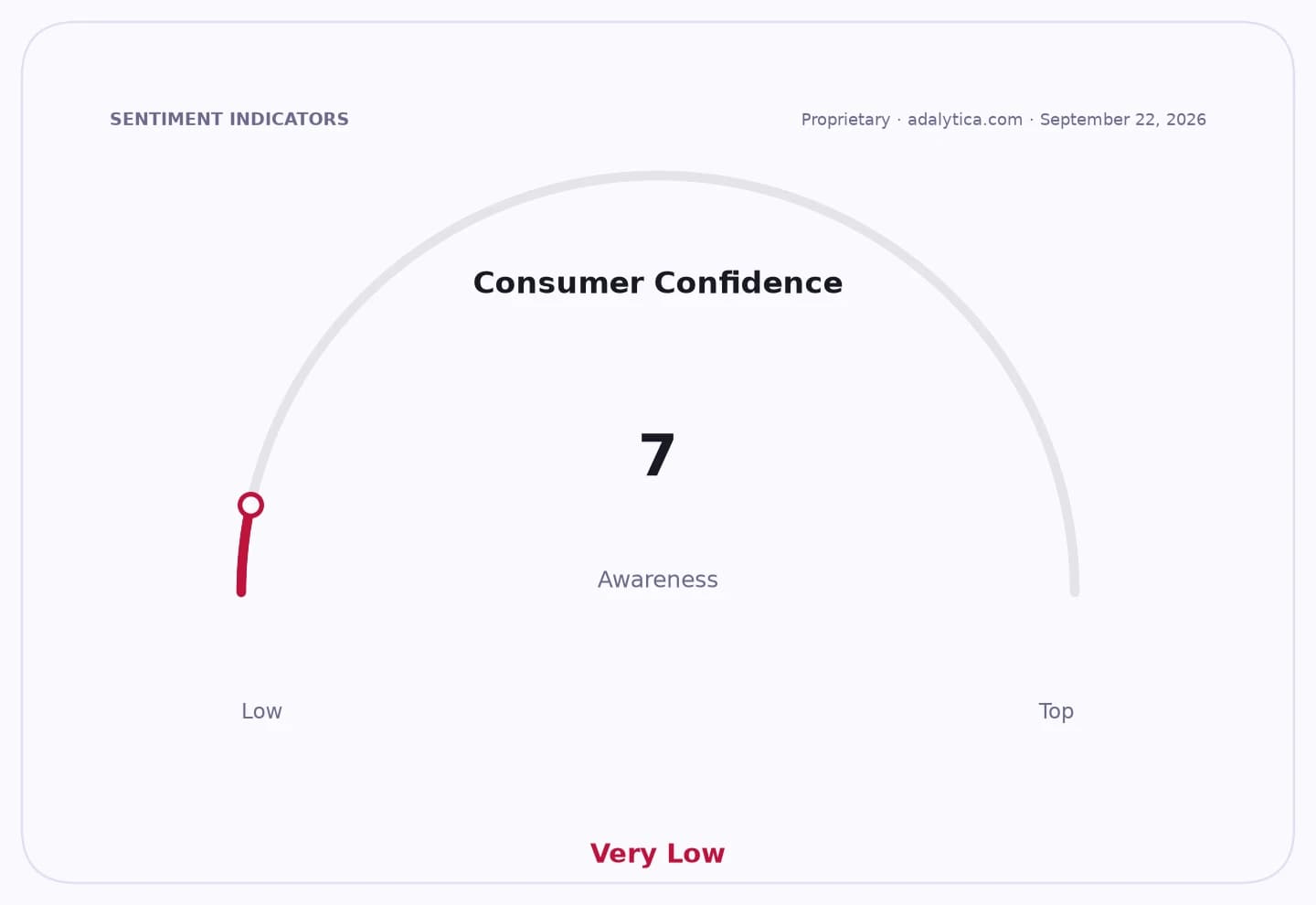
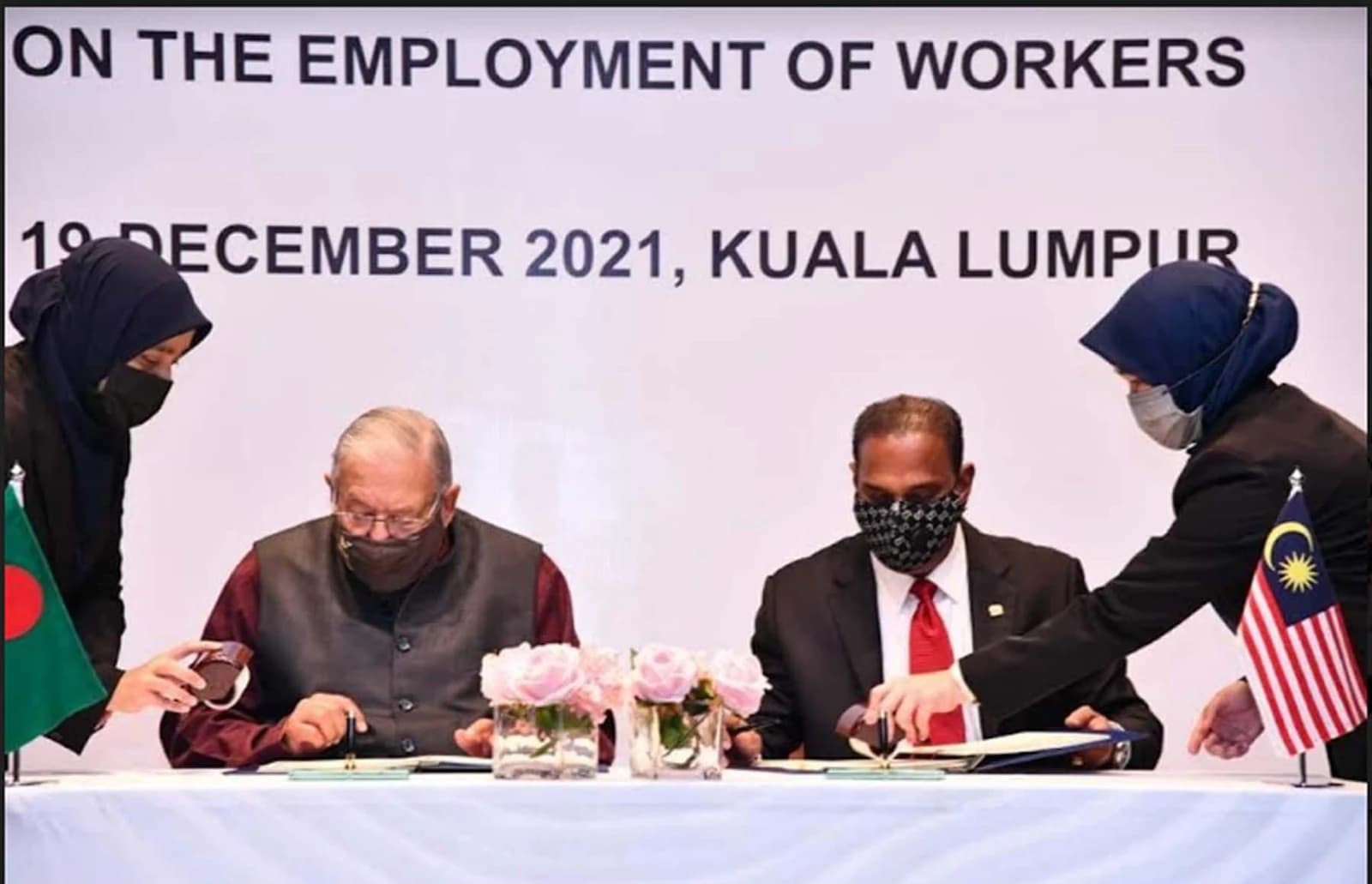
A growing flow of workers from Nepal and other Asian countries into Central and Eastern Europe is reshaping labor markets in the region, easing shortages for employers while stirring local resentment over wages, migration and competition for low-paid jobs.
Central and Eastern Europe hires more workers from Asia
The trend matters economically because it is a sign that domestic labor pools are no longer sufficient for the demands of employers in construction, manufacturing, logistics and services across the Balkans and neighboring markets. For companies, hiring abroad has become a practical fix for vacancies that can otherwise slow output, delay projects and raise operating costs. For governments, it is a pressure valve that helps growth without immediately forcing wages sharply higher.
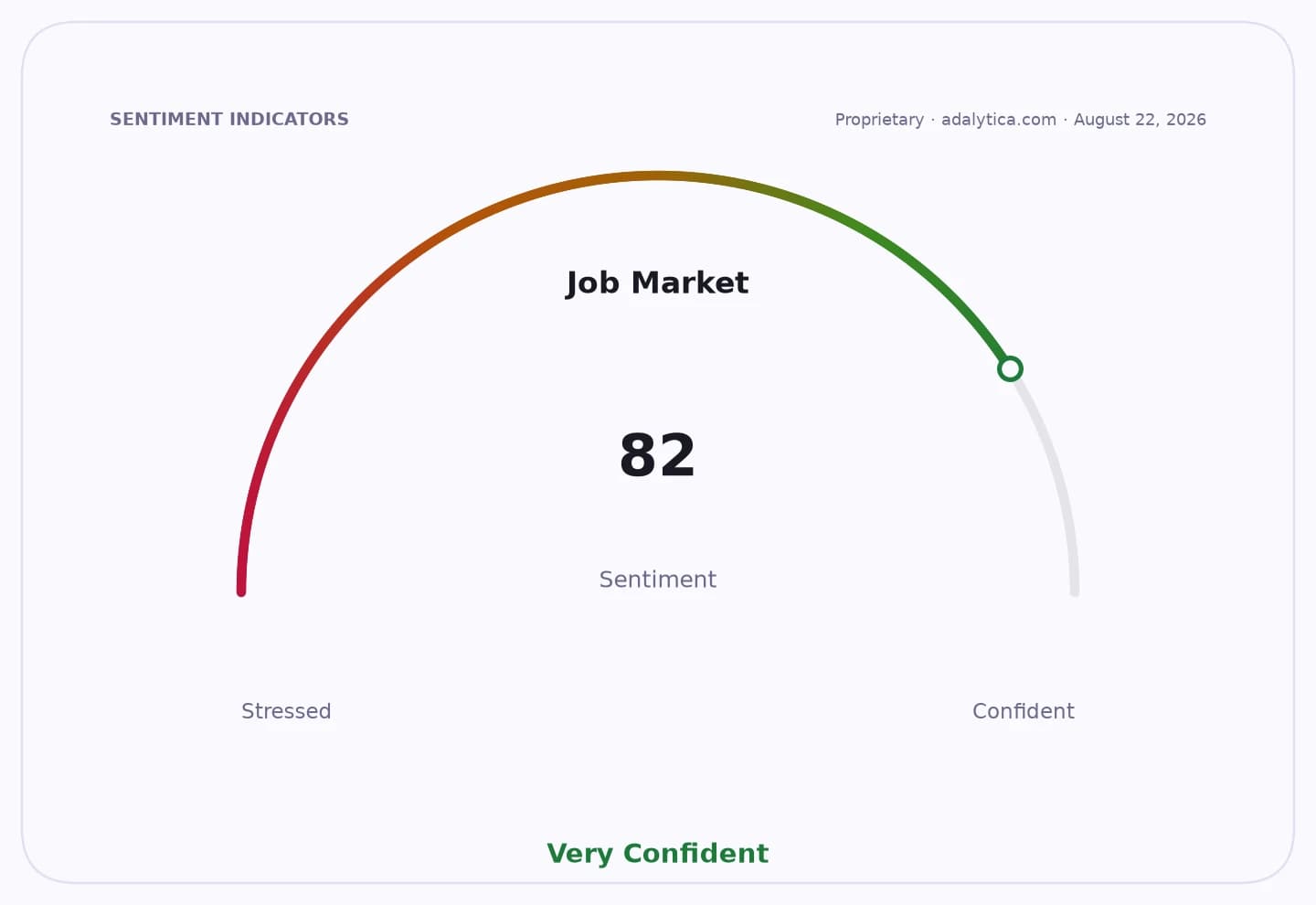
Sentiment IndicatorsⓘProprietary · adalytica.com · August 22, 2026
This is a snapshot — live sentiment, awareness and momentum for 130+ markets update continuously in the dashboard.Open AlphaPulse
That trade-off is becoming more visible as workers accept pay packages that can look modest by Western European standards but remain attractive relative to incomes at home. A Nepalese worker earning 750 euros a month and sending 600 euros back home illustrates the economics behind the migration flow: host-country employers gain labor at manageable cost, while sending countries benefit from remittances that support household consumption and foreign-exchange inflows. The arrangement also reveals how migration is increasingly driven by wage differentials rather than proximity alone.
For investors, the implications run through sectors that depend on labor availability and wage discipline. Employers able to tap overseas recruitment may defend margins better than peers facing acute shortages, but they also take on exposure to recruitment bottlenecks, visa rules and political backlash. In markets where social opposition to foreign workers is growing, labor supply can quickly become a policy issue, with knock-on effects for staffing agencies, industrial operators, hospitality groups and developers.
The broader macro picture is one of an aging and tightening labor market in parts of Central and Eastern Europe. Even as unemployment remains higher in some neighboring economies, the mismatch between available workers and the jobs being created has widened, pushing employers to look farther afield. That leaves governments balancing two competing needs: supporting growth by filling vacancies, and managing voter anger over immigration, wages and living standards.
The bull case is that imported labor helps keep production running, sustains tax revenue and limits inflationary wage spikes. The bear case is that if local communities feel undercut, political pressure could harden into tighter migration rules, making labor access less predictable and raising costs for employers again. For now, the chief economic story is not just migration, but the growing dependence of parts of Europe’s labor market on workers from Asia.
| Entity | Gains | Losses |
|---|---|---|
| Employers in Central and Eastern Europe | ▲Filled vacancies | ▼Local labor backlash |
| Nepalese and Asian workers | ▲Higher wages abroad | ▼Family separation |
| Host-country consumers | ▲More stable supply | ▼Political friction |
| Domestic low-paid workers | ▲— | ▼Wage competition |