Charles Schwab is taking an important first step toward bringing artificial intelligence into brokerage workflows without surrendering control of client cash — a cautious approach that could shape how Wall Street adopts agentic AI.
Charles Schwab tests controlled AI brokerage access
Artificial Intelligence
The firm said Thursday it is testing a controlled link between traders’ AI models and Schwab’s systems through its Model Context Protocol layer, but only under Schwab-managed authentication and with strict limits that bar the model from moving money in client accounts. That matters because the biggest risk in letting AI touch brokerage infrastructure is not chat quality, but access: who authenticates, what data the model can see, and whether it can act without human approval.
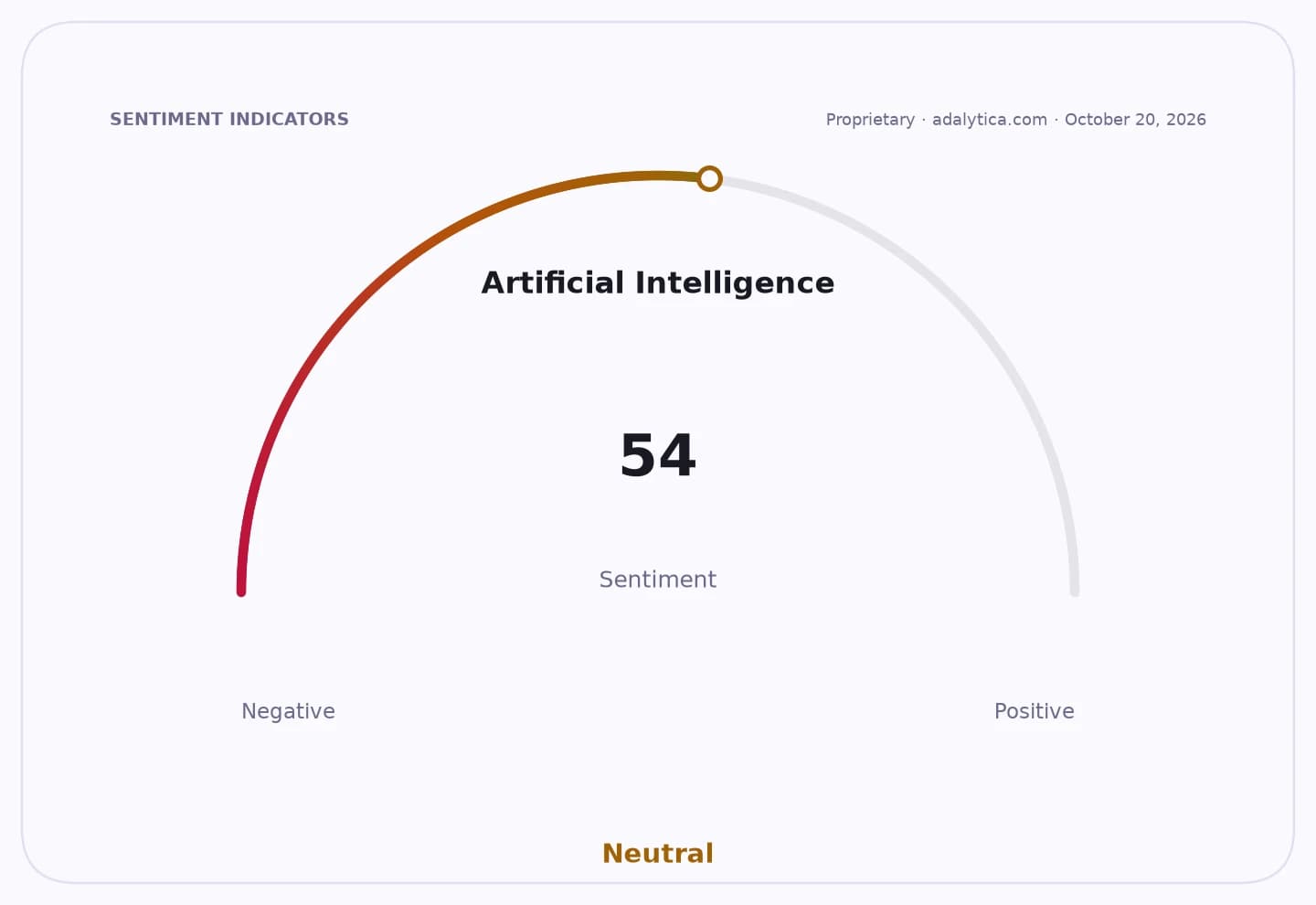
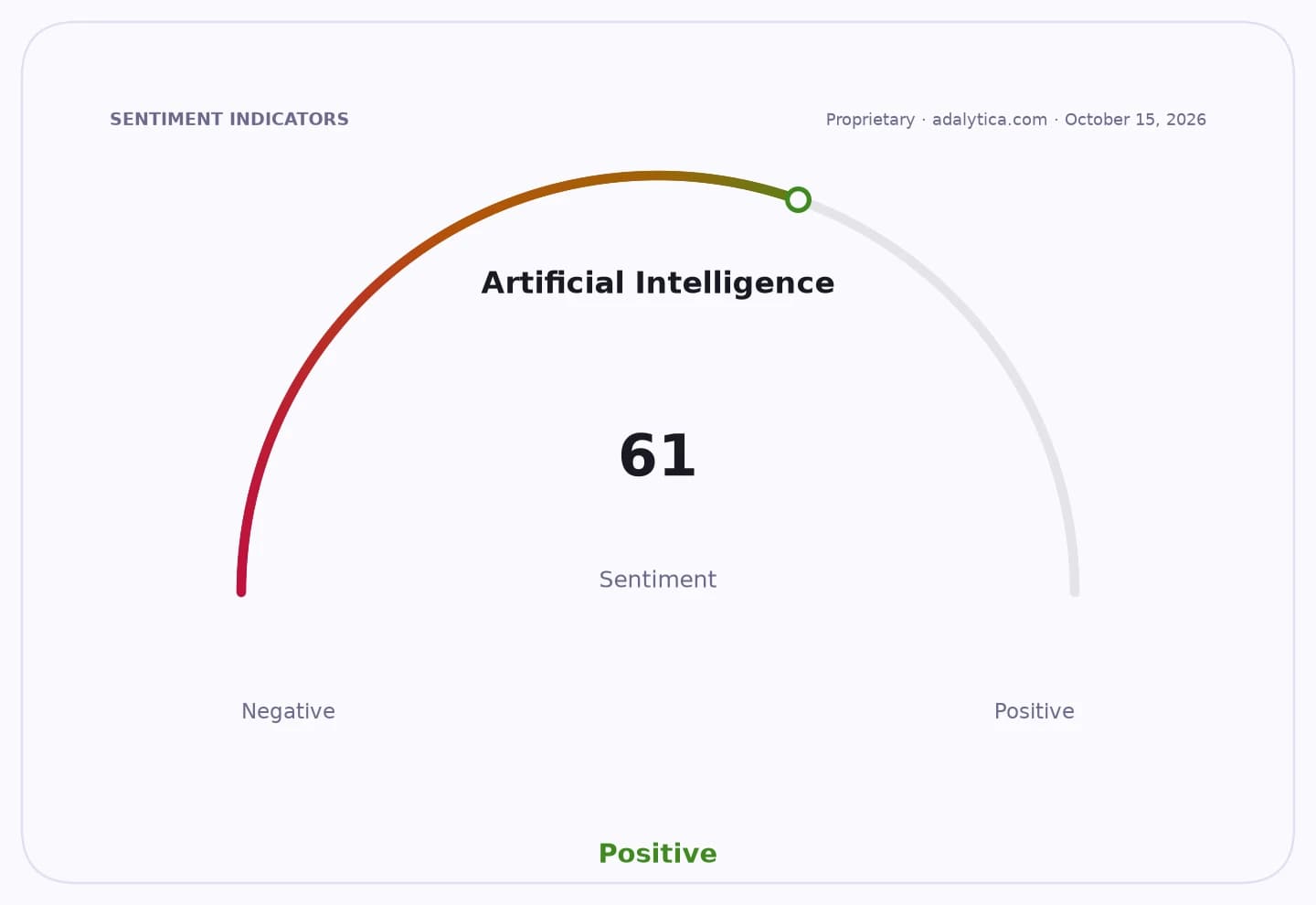
Sentiment Indicators
For investors, the move points to a potentially meaningful efficiency gain for one of the biggest custodians in the U.S. Schwab said client assets stood at $13.33 trillion as of Sept. 30, so even small improvements in servicing, trading support and data access can ripple across a huge base. But the company is also telegraphing the real line the industry is trying to draw: AI can assist, retrieve and interpret, yet human-controlled systems still have to hold the keys.
That is a sensible stance in a market where financial firms are racing to add AI while regulators and risk teams worry about unauthorized access, impersonation and operational mistakes. Schwab’s pilot also blocks unauthorized agents that try to sign in on behalf of clients, which suggests the brokerage is already thinking about one of the more awkward questions in the AI era: how to separate legitimate automation from a model that is effectively acting like a customer.
The long-term investment story here is less about a flashy product launch than about infrastructure. If Schwab can safely extend the pilot to more clients and more models in the coming months, it could deepen client engagement and make the platform stickier without taking on balance-sheet risk. That is exactly the kind of gradual, defensive innovation that tends to compound over time in financial services.
The stock market backdrop also helps explain why this matters. Technology platforms and brokers are being pushed to modernize quickly, but the winners are likely to be the firms that make AI useful without making it reckless. Schwab’s approach fits that mold: practical, controlled and built around trust.
For long-term investors, the takeaway is straightforward. Schwab is not handing control to AI; it is building a guarded bridge to it. That is the kind of measured step that can matter in years, not weeks, and it is worth watching as the brokerage expands the program.
| Entity | Gains | Losses |
|---|---|---|
| Charles Schwab | ▲Safer AI adoption | ▼Faster, looser automation |
| Traders/clients | ▲AI assistance with guardrails | ▼Direct model control of accounts |
| AI vendors | ▲Access to a major brokerage channel | ▼Unrestricted system access |
| Competitors | ▲Pressure to match controlled AI tools | ▼Differentiation from safer rollout |