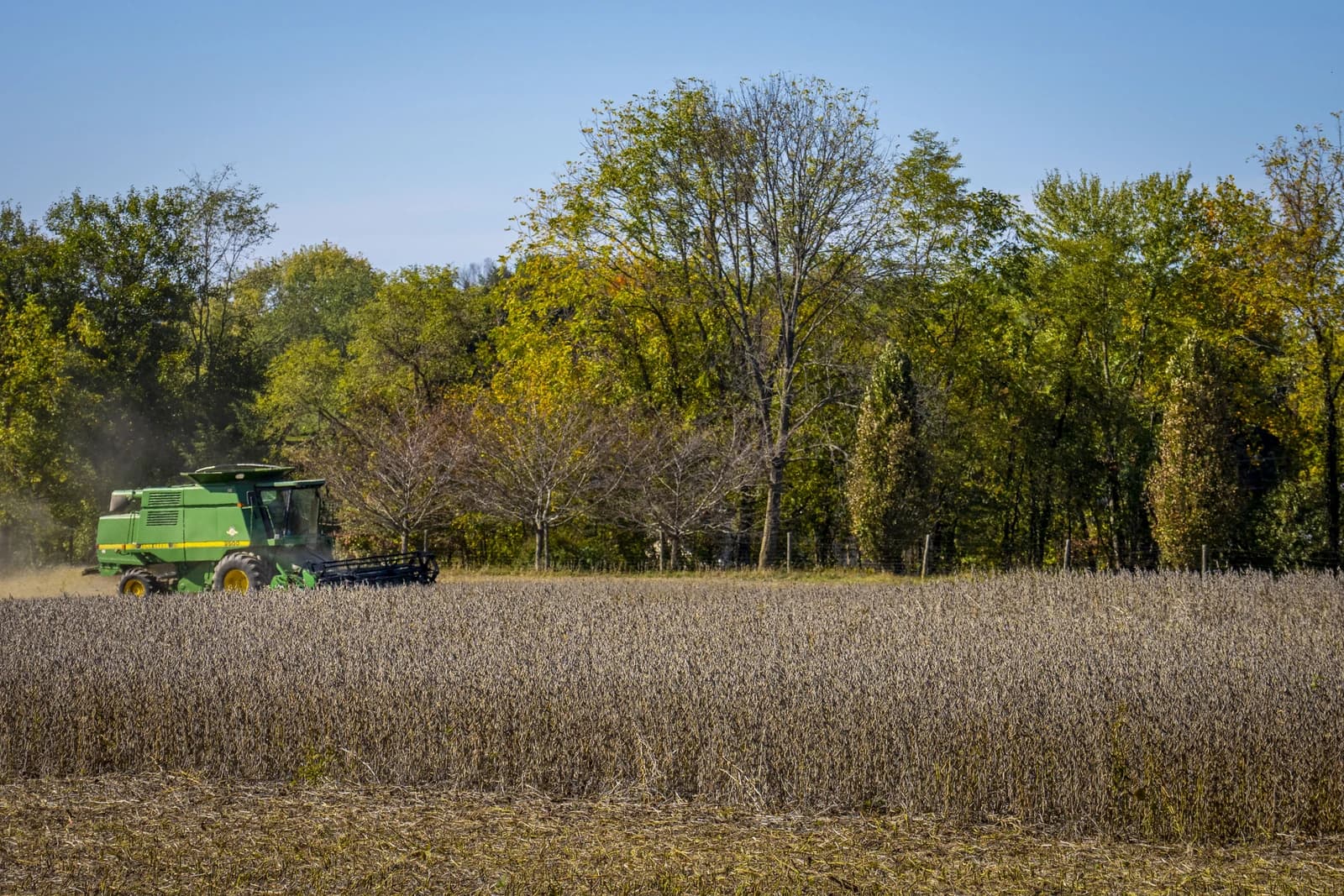
Cheap imports are deepening a structural squeeze on Tuscany’s wheat growers, with roughly one in five fields in the region now left uncultivated as margins are crushed by foreign grain prices and rising production costs.
Cheap Imports Pressure Tuscan Wheat Growers
The economic significance goes beyond one Italian region. When imported wheat lands below the cost of local production, it forces a choice between planting at a loss or leaving land fallow. For Tuscany, that is not just a farm-income problem but a land-use and rural-economy problem: less acreage planted means weaker demand for labour, machinery, seed, fuel and storage, and more pressure on already thin farm finances. It also raises questions about food security and the resilience of domestic supply chains in a market increasingly shaped by volatile weather, export controls and shipping disruptions.
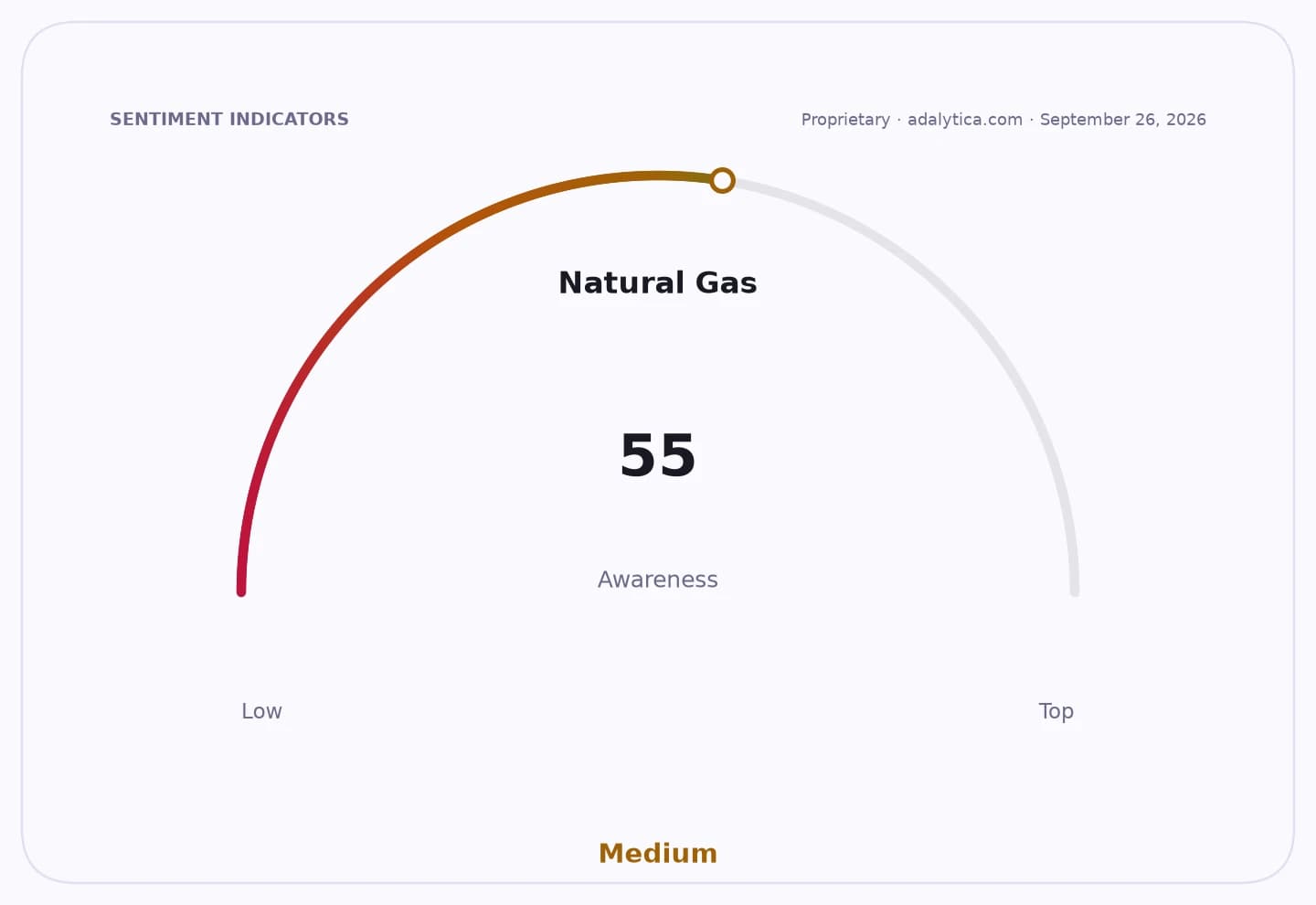
Sentiment IndicatorsⓘProprietary · adalytica.com · July 21, 2026
This is a snapshot — live sentiment, awareness and momentum for 130+ markets update continuously in the dashboard.Open AlphaPulse
Global wheat markets have been under pressure from ample supply in some export channels, even as other regions move to protect domestic availability. Kazakhstan’s six-month partial ban on wheat imports from July 27 is the latest reminder that grain trade can tighten quickly when local markets come under stress. That kind of policy response can redirect flows, support local prices and make imported wheat less predictable for buyers in Europe and the wider Mediterranean. In that setting, Tuscany’s farmers face a double burden: they compete with low-cost foreign wheat in normal periods, then absorb the volatility when governments intervene to defend domestic markets elsewhere.
For investors, the message is that the wheat trade is no longer just about harvest size. It is increasingly about policy risk, regional fragmentation and the ability of producers to maintain acreage when prices do not cover full costs. Benchmark wheat funds and related agricultural ETFs, including WEAT and broader diversified baskets such as DBA, reflect those tensions, with recent price action showing periods of strong upward momentum but also signs of overbought conditions on conventional technical indicators such as RSI. That suggests the market is sensitive to fresh supply shocks, but not yet pricing a clean, durable shortage.
The bull case for wheat bulls is that underplanting in regions like Tuscany, combined with import curbs in parts of Eurasia, can tighten available supply faster than expected. The bear case is that cheap grain from larger exporters continues to cap local prices, leaving European farmers trapped in a low-margin cycle and forcing more land out of production. Either way, the central risk is that a seemingly local problem becomes a broader signal of how globalized grain pricing can hollow out marginal farming regions.
What to watch next is whether Italian and EU policymakers move to cushion producers through farm support, quality-linked procurement or trade measures, and whether more countries follow Kazakhstan in restricting flows to stabilise domestic markets. If that happens, the cost of cheap wheat could rise quickly — not just for Tuscany, but for the entire European milling chain.
| Entity | Gains | Losses |
|---|---|---|
| Foreign wheat exporters | ▲Market share | ▼Local pricing power |
| Tuscan farmers | ▲Policy support potential | ▼Planting margins |
| Italian millers | ▲Lower input costs | ▼More supply uncertainty |
| Wheat ETF longs | ▲Upside from supply shocks | ▼Pressure if imports stay abundant |