Chelsea has spent more on transfers over the past 10 years than any other club in Europe, underscoring how elite football has become a capital-intensive arms race in which the biggest teams can deploy balance-sheet strength to chase trophies and commercial growth.
Chelsea Transfer Spend Tops Europe Over 10 Years
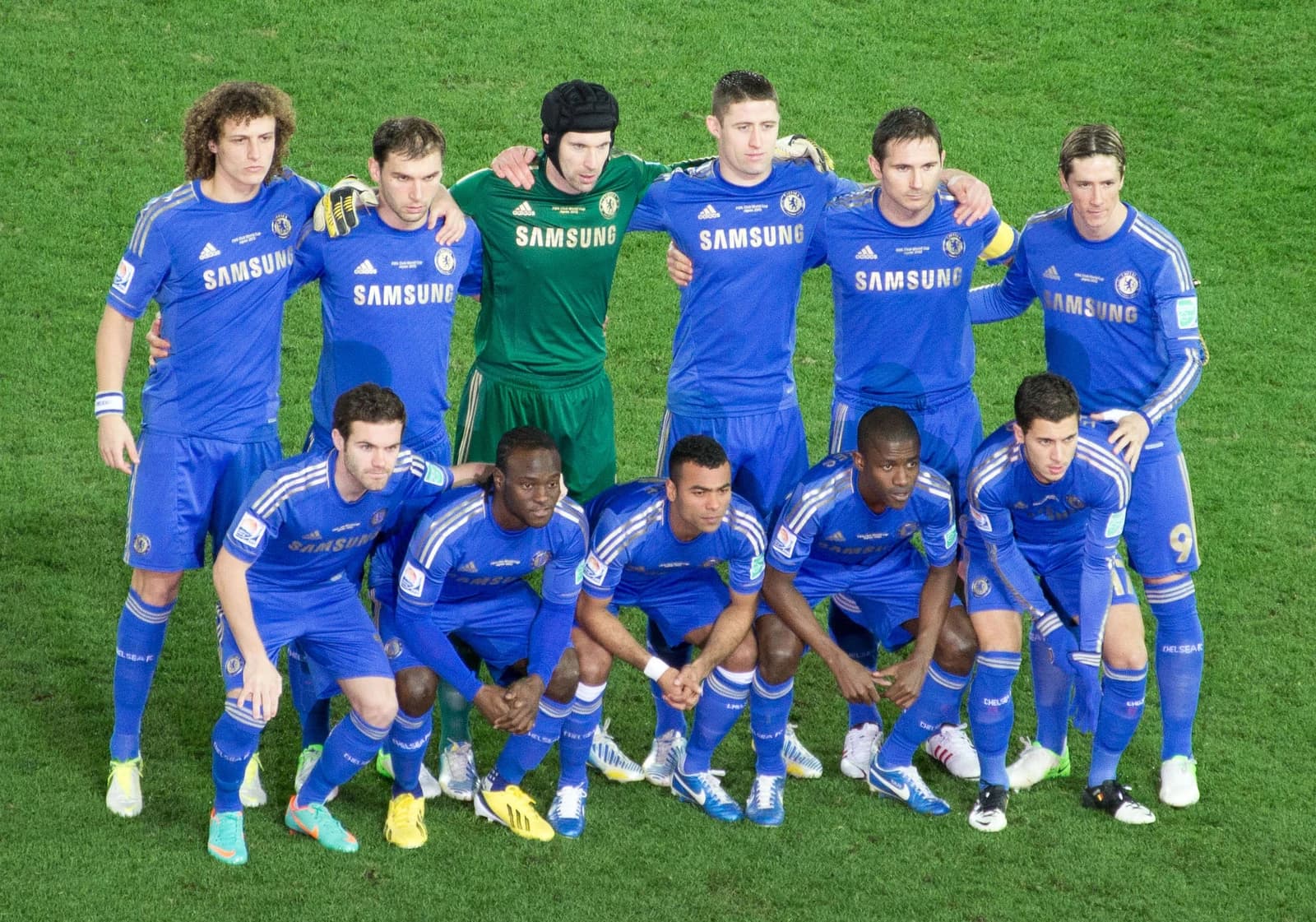
Transfermarkt data show the London club paid 3.12 billion euros, or about 1,133 billion forints at current exchange rates, for players over the decade — a sum equal to nearly 29% of Hungary’s annual health-care budget. Manchester City followed at 2.58 billion euros, Manchester United at 2.06 billion euros, Paris Saint-Germain at 2 billion euros and Juventus at 1.92 billion euros. Together, the top five spent more than 4,240 billion forints.
Sentiment IndicatorsⓘProprietary · adalytica.com · September 6, 2026
This is a snapshot — live sentiment, awareness and momentum for 130+ markets update continuously in the dashboard.Open AlphaPulse

The numbers matter because transfer spending is no longer just a sporting question. It reflects the economics of modern football: richer clubs can absorb large up-front costs in pursuit of higher revenues from prize money, broadcasting, sponsorships and global branding, while less affluent teams are pushed to sell talent or find other ways to compete. The gap helps explain why the market has increasingly rewarded clubs that can turn player development into cash flow rather than rely on constant reinvestment.
Chelsea’s outlay also highlights the changing structure of squad building. The rise of free transfers, higher wages and signing bonuses means headline transfer fees no longer capture the full cost of assembling a team. That helps explain why Real Madrid, despite being one of the sport’s richest and most successful clubs, ranks only 14th in the spend table: the club has leaned more heavily on free agents in recent years.
For investors and football financiers, the key takeaway is that spending alone is not the same as value creation. Borussia Dortmund was the only club in the top 20 to post a profit on player trading over the decade, spending 1.08 billion euros while bringing in 1.15 billion euros from sales. That roughly 25 billion-forint surplus shows how elite clubs can monetize development, scouting and timing in the market — a very different model from Chelsea’s.
The split between heavy spenders and net sellers is likely to remain central to European football’s economics. Clubs with strong owners and global income streams will keep paying up for talent, but the teams that consistently develop and sell well may prove the more resilient businesses over time.
| Entity | Gains | Losses |
|---|---|---|
| Chelsea | ▲squad depth and title ambition | ▼cash outlay and wage pressure |
| Borussia Dortmund | ▲trading profit and roster turnover | ▼loss of star players |
| Manchester City / PSG | ▲elite talent accumulation | ▼transfer market inflation |
| Smaller clubs | ▲sale income and talent pipeline | ▼competitive gap with rich clubs |