Sony is trying to defend growth in Brazil by keeping prices competitive even as the country’s tax structure, logistics and a global memory-chip squeeze driven by artificial intelligence make it harder to sell premium electronics at scale.
Sony Brazil Growth Faces Chip Cost Pressure
That tension is the core message from Kenichiro Hibi, president of Sony Latin America, in an interview with VEJA: Brazil is becoming one of Sony’s most important markets in the region, but it is also one of the most complex to serve. For investors, the story matters because Brazil’s size can offset structural friction, yet margins are increasingly exposed to two pressures at once — local “Custo Brasil” constraints and rising component costs that the company cannot fully absorb.
Hibi said Sony’s sales in Brazil have continued to grow, underscoring the market’s strategic pull despite the country’s tax burden and fragmented internal distribution. He described the challenge of moving products from one state to another under different tax rules, a reminder that Brazil remains a high-friction market even for global brands with scale. The company’s response is to bring technology to Brazil at the same time as the US and other markets, rather than delay launches and risk losing relevance in a fast-moving consumer-electronics cycle.
That approach has clear economic logic. In a market where consumers compare devices aggressively on price and features, any delay can hand share to lower-cost Chinese and South Korean rivals. Sony’s argument is that it must stay competitive on timing, not just brand. The company’s strongest positions remain in categories where it can still lean on image quality, professional gear and ecosystem value, while TV is more exposed to price-led competition.
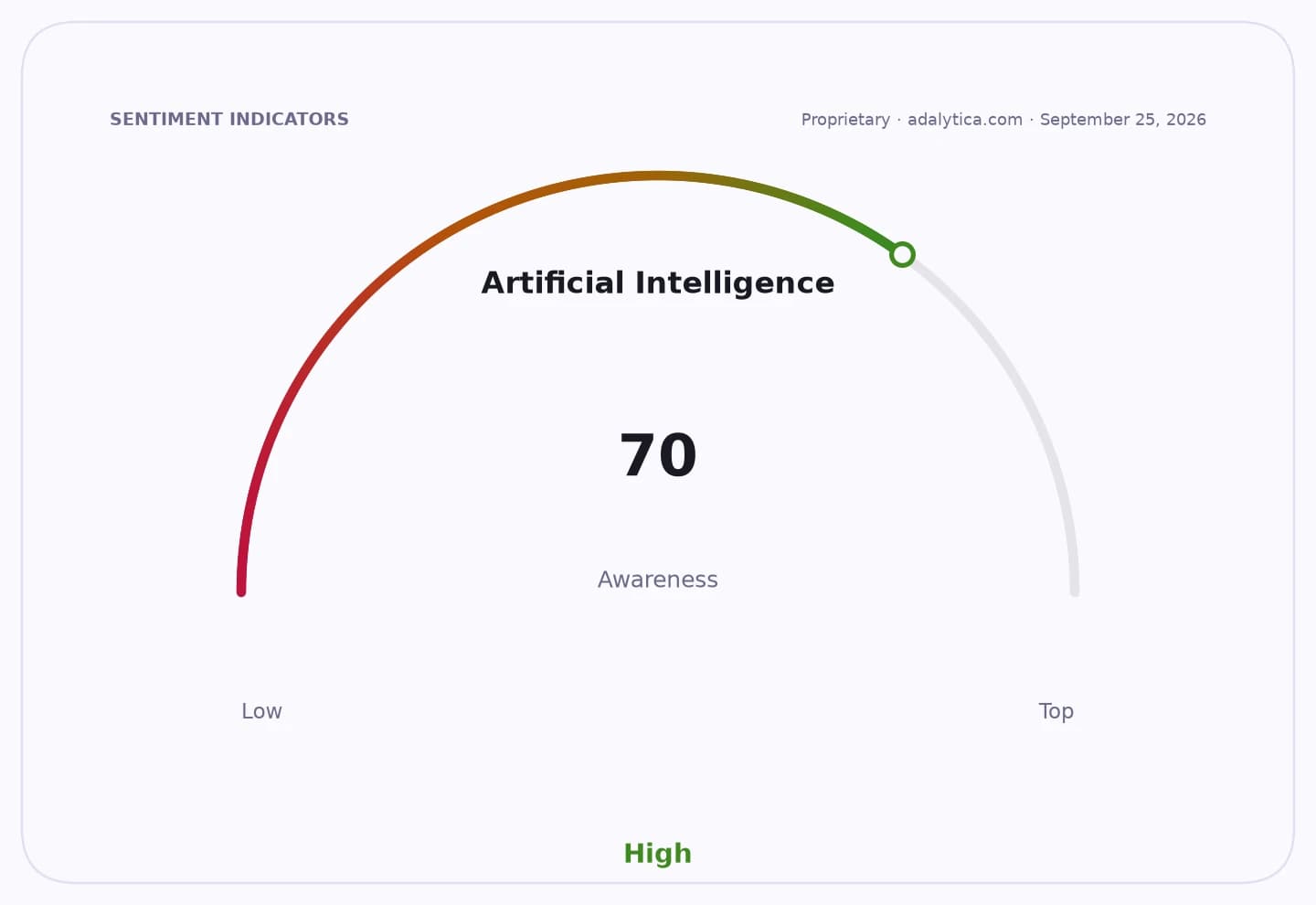
The bigger macro issue is the cost of memory and semiconductors. Hibi said AI demand has pushed memory prices sharply higher, a problem not unique to Sony but one that affects the whole electronics and automotive supply chain. The implication is that Sony will have to pass on at least some of the cost pressure to consumers. That is important for margins, but also for demand: the more the company raises prices, the harder it becomes to defend volume in price-sensitive markets such as Brazil.
Sony’s answer is not just defensive. Hibi framed AI as both a tool and a threat — useful for product development, automation and camera features such as recognition and color correction, but potentially disruptive for creators’ rights. That is where Sony sees a second growth engine. The company is leaning into Brazil’s expanding creator economy, influencer market and small production houses, as well as churches and live sports production, all of which need equipment for streaming, video and broadcasting.
For investors, that broadens the story beyond consumer gadgets. Sony is positioning Brazil not merely as an import destination, but as a market for creator tools, live-production systems and sports-broadcast technology. Those businesses can be more resilient than mass-market hardware because they are tied to content production, live events and professional workflows.
The bull case is that Brazil’s scale, a rising digital creator base and Sony’s premium brand can keep growth intact even with higher input costs. The bear case is that taxes, local price sensitivity and semiconductor inflation squeeze the middle ground: Sony may be forced to raise prices without enough pricing power to protect share.
What happens next will depend on whether Sony can keep launches synchronized across markets, protect margins from AI-driven component inflation and deepen its reach in creator and live-content segments. In Brazil, growth is available — but only to companies that can absorb complexity faster than their rivals.
| Entity | Gains | Losses |
|---|---|---|
| Sony | ▲Brazil growth and creator demand | ▼Margin pressure from chips and taxes |
| Brazilian consumers | ▲More advanced tech access | ▼Higher prices if costs are passed on |
| Chinese and Korean rivals | ▲Price-sensitive share opportunities | ▼Sony’s premium positioning |
| Content creators and broadcasters | ▲Better tools and AI features | ▼Dependence on pricier hardware |