Chile’s financial regulator is keeping a public mortgage simulator front and center as higher borrowing costs continue to weigh on household budgets and the housing market, underscoring how sensitive monthly payments remain to interest-rate moves.
Chile CMF keeps mortgage simulator front and center
The Comisión para el Mercado Financiero, or CMF, says the tool lets consumers compare mortgage installments, interest rates and related insurance charges across banks using data supplied by the lenders themselves. It is designed around Chile’s most common format — a UF-linked, fixed-rate, non-endorsable mortgage — and caps simulations at 20,000 UF, giving borrowers a standardized way to test how much they would pay each month.
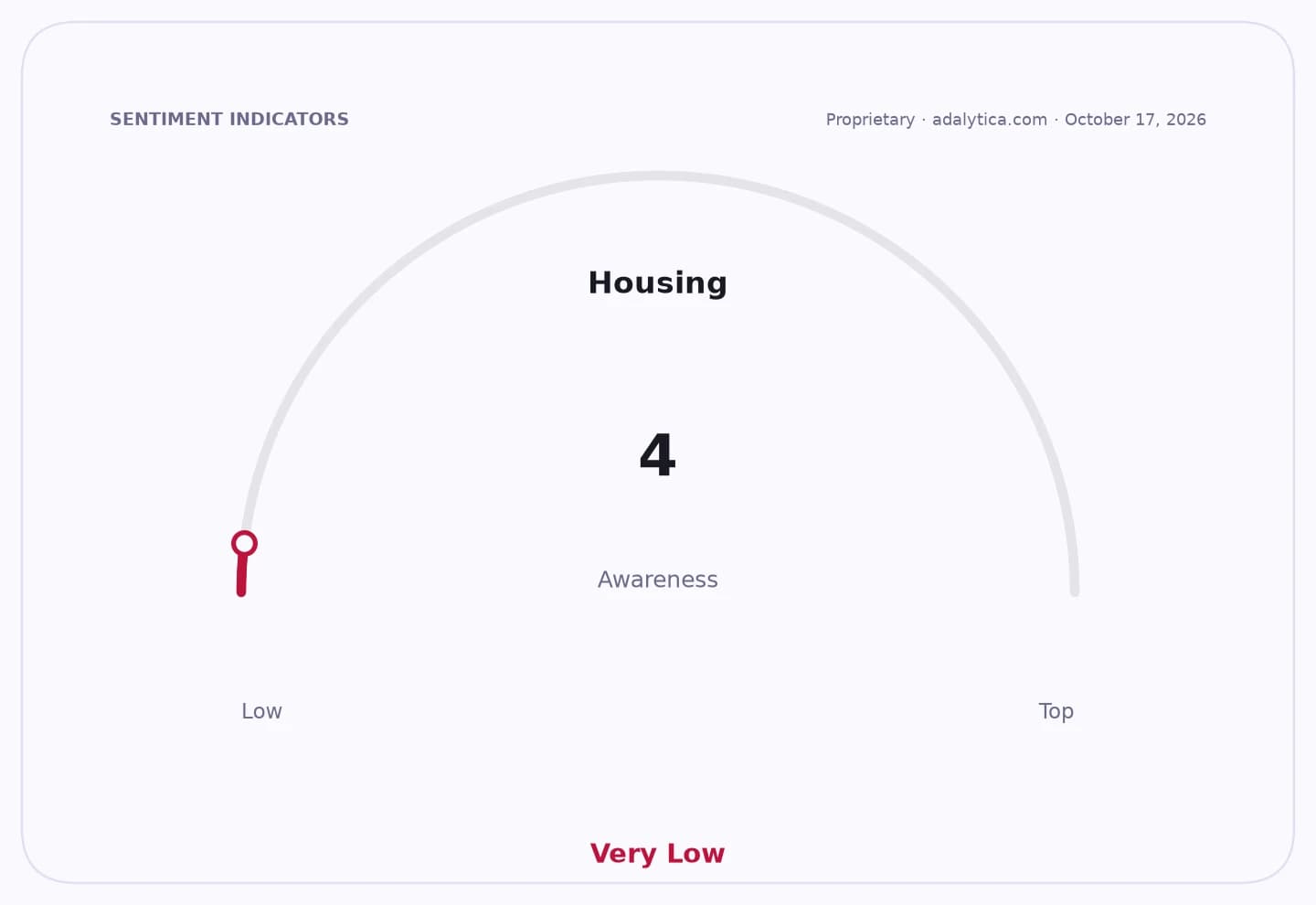
Sentiment IndicatorsⓘProprietary · adalytica.com · October 17, 2026
This is a snapshot — live sentiment, awareness and momentum for 130+ markets update continuously in the dashboard.Open AlphaPulse
That matters because mortgage affordability remains a macroeconomic pressure point. Even in markets where rate cuts are starting to emerge elsewhere, borrowers are still dealing with elevated financing costs, and any shift in benchmark rates quickly feeds through to the size of the monthly dividend. The CMF tool gives households a direct view of how rate changes affect affordability before they sign.
The simulator is not a full closing-cost calculator. It excludes stamp tax, land registry fees, notary charges, title searches and other operational costs that can materially change the final bill, meaning the headline dividend shown on screen can still understate total borrowing costs.
For investors, the bigger point is that mortgage demand, prepayment behavior and bank lending margins all depend on where rates settle next. Higher or sticky rates tend to support yields for lenders and mortgage-related assets in the short term, but they also risk slowing transaction volumes and pressuring housing activity if monthly payments stay too high.
The CMF’s move also fits a broader market narrative: households are being pushed to make more precise borrowing decisions at a time when rate volatility is still shaping bond markets, bank funding costs and housing demand. The next read-through for investors will come from whether rate expectations ease enough to improve affordability, or whether mortgage costs stay high enough to keep demand subdued.
| Entity | Gains | Losses |
|---|---|---|
| Homebuyers | ▲Better loan comparison | ▼Higher monthly payments |
| Banks | ▲More transparent product display | ▼Pricing pressure |
| CMF | ▲Stronger consumer oversight | ▼Greater scrutiny if affordability worsens |
| Housing market | ▲Clearer borrowing benchmarks | ▼Slower demand and transactions |