China’s second home-built large cruise ship has entered commercial service, a sign Beijing is trying to turn cruising into a bigger domestic consumer market and reduce reliance on foreign operators and overseas departures.
China's Adora Flora City enters commercial service
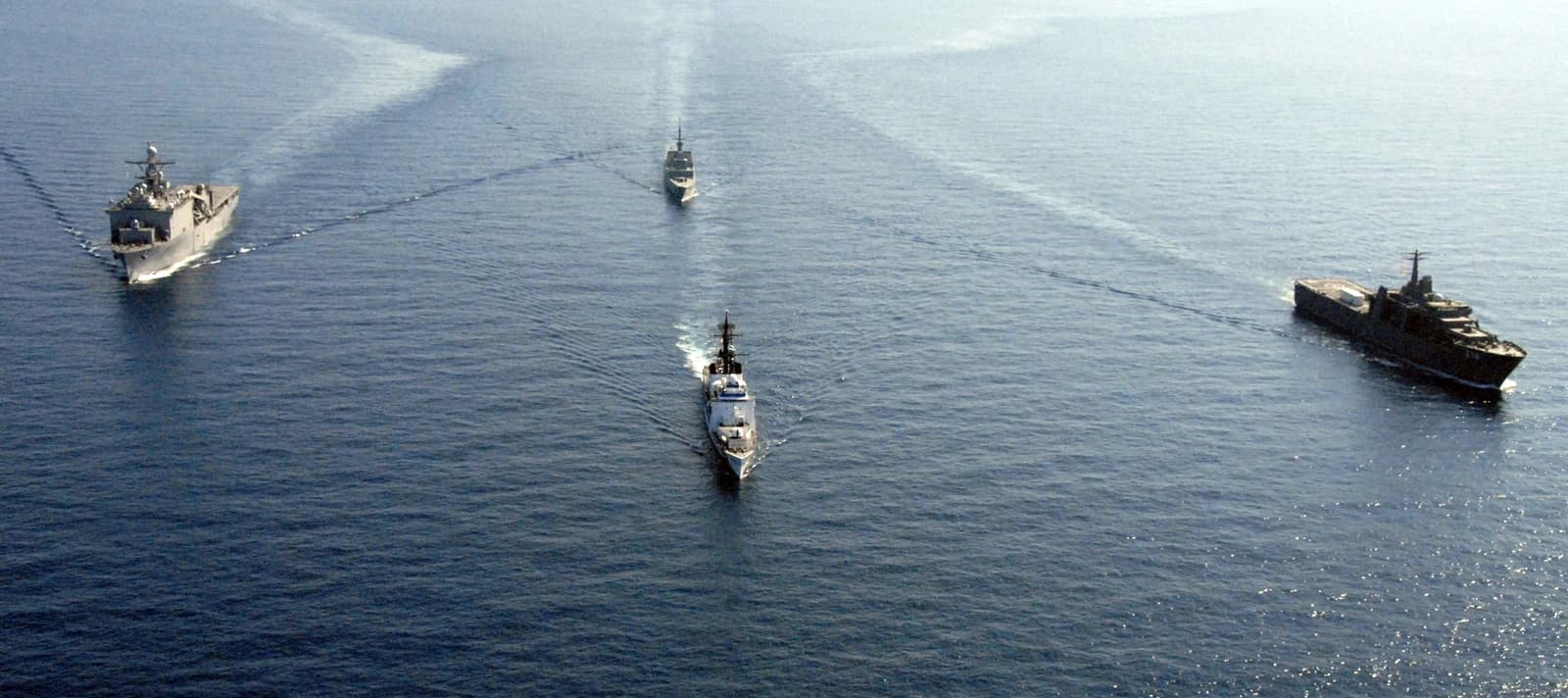
The Adora Flora City left Guangzhou’s Nansha International Cruise Port with more than 3,800 passengers on a six-day voyage to Hong Kong and Vietnam, marking the latest step in China’s push to build a homegrown cruise industry. At 341 meters long with 2,130 cabins and capacity for as many as 5,232 people, the vessel is among the largest cruise ships operating in Asia and reinforces the country’s push to spur tourism spending.
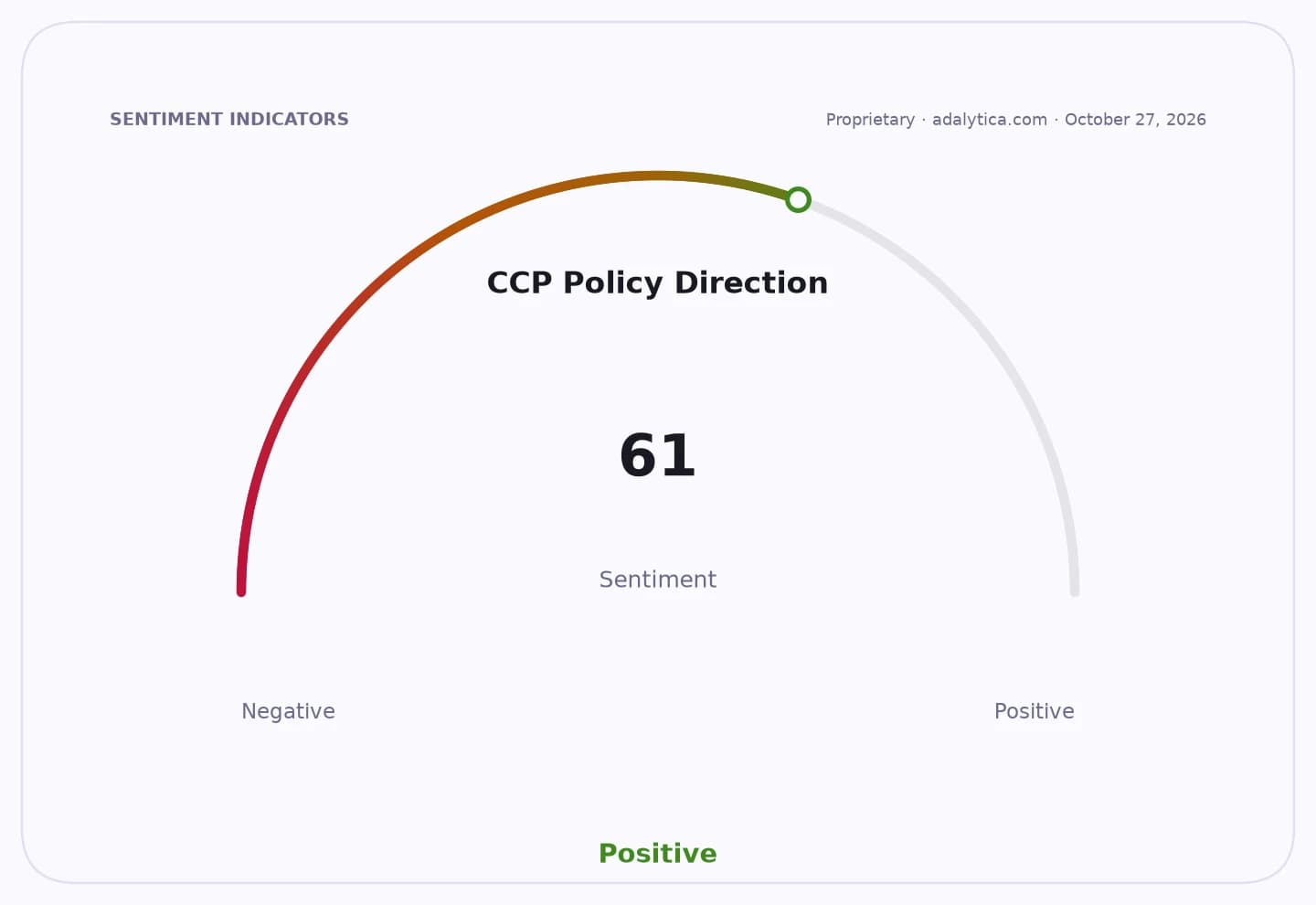
Sentiment Indicators
The launch matters economically because China is trying to support consumption at a time when household demand remains uneven. Cruise travel brings together port operations, hospitality, retail, transport and destination spending, making it a high-multiplier part of the services economy that can benefit southern China’s coastal hubs as well as regional tourism markets.
It also matters to investors because a larger domestic cruise fleet can deepen competition for international operators such as Carnival, Royal Caribbean and Norwegian Cruise Line, while creating opportunities for port operators, travel agencies, shipbuilders and onboard service providers tied to China’s tourism supply chain. The rollout suggests Chinese cruise development is moving from one-off prestige projects toward a more durable industry strategy.
The ship was built starting in August 2022 and delivered in Shanghai on Nov. 6, underscoring the industrial policy angle behind the project. Beijing is leaning on large infrastructure and consumer-facing projects to support growth, while also keeping more tourism spending inside the country and its near-abroad markets.
For global cruise names, the near-term impact is more about the shape of future demand than an immediate hit to earnings. But a faster buildout of Chinese ships could gradually change regional deployment patterns, pricing power and the balance between outbound and domestic Asia cruise traffic.
| Entity | Gains | Losses |
|---|---|---|
| China cruise builders | ▲Orders and industrial scale | ▼N/A |
| Chinese tourism sector | ▲More passenger spending | ▼Foreign trip leakage |
| Carnival, Royal Caribbean, Norwegian | ▲N/A | ▼Potential Asia competition |
| Port hubs in Guangzhou/Hong Kong/Vietnam | ▲Traffic and fee revenue | ▼Capacity strain risks |