A widening contest between the U.S. and China for control of the seas is forcing investors to rethink everything from shipping risk to energy security, with the biggest economic stakes now concentrated in the world’s chokepoints.
Maritime chokepoints raise shipping and energy risk
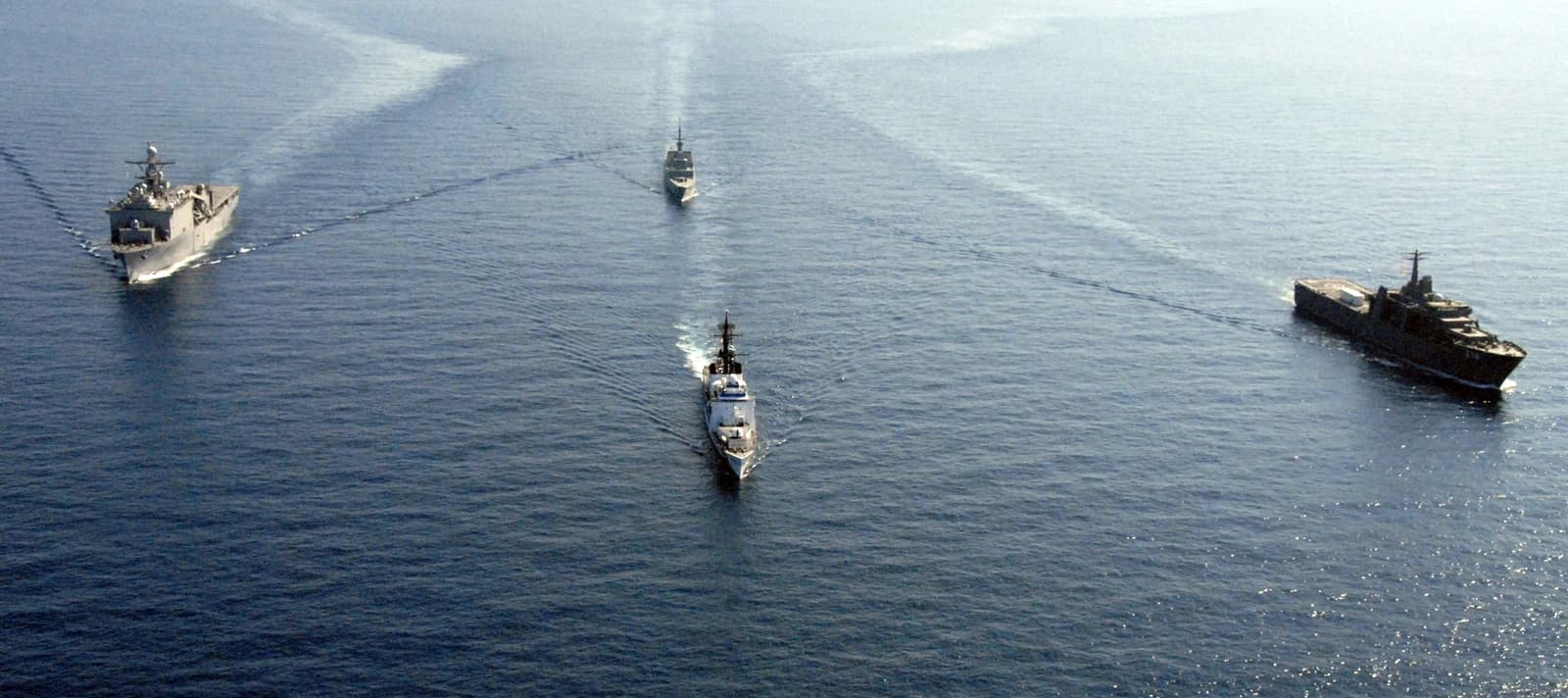
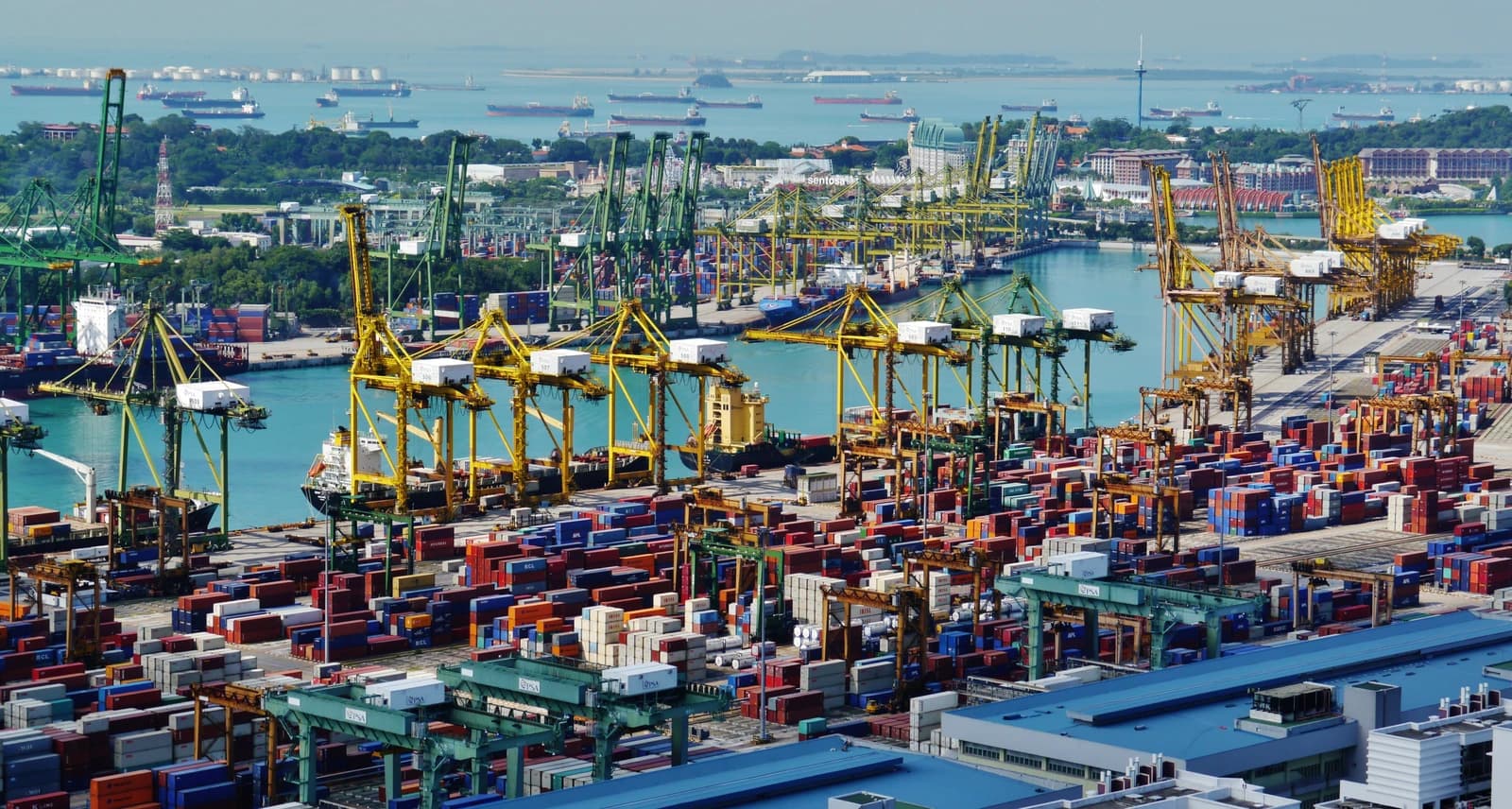
That is the key message from maritime geopolitics expert Abel Romero Junquera, who argues that the U.S. Navy’s long-held dominance is being challenged by China’s rise as a commercial superpower. His warning matters because more than 80% of global trade moves by sea, while roughly 40% of the European Union’s external trade passes through the South China Sea alone. In other words, this is not a distant strategic debate. It is a direct threat to supply chains, freight rates, insurance costs and the pricing of energy and commodities.
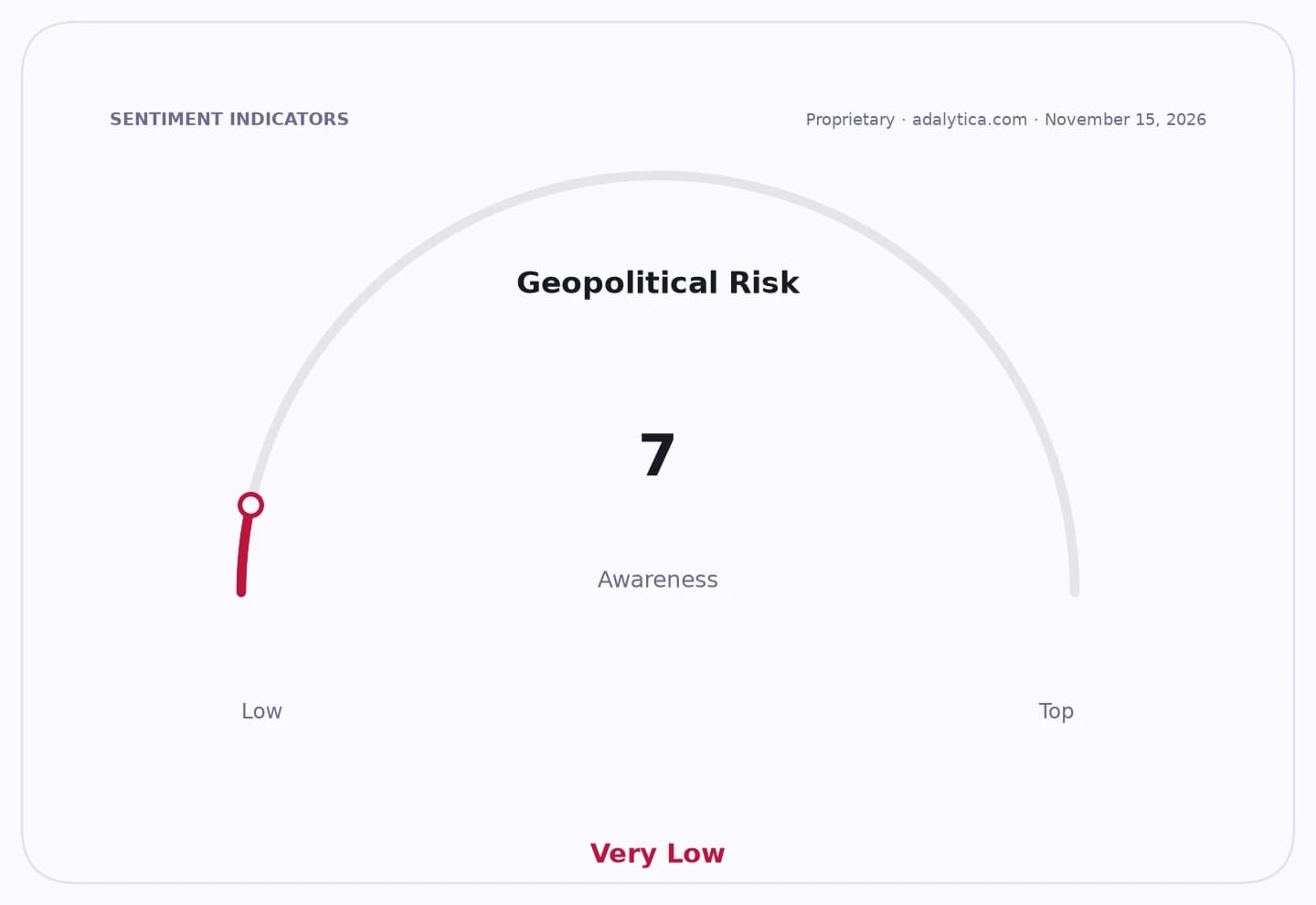
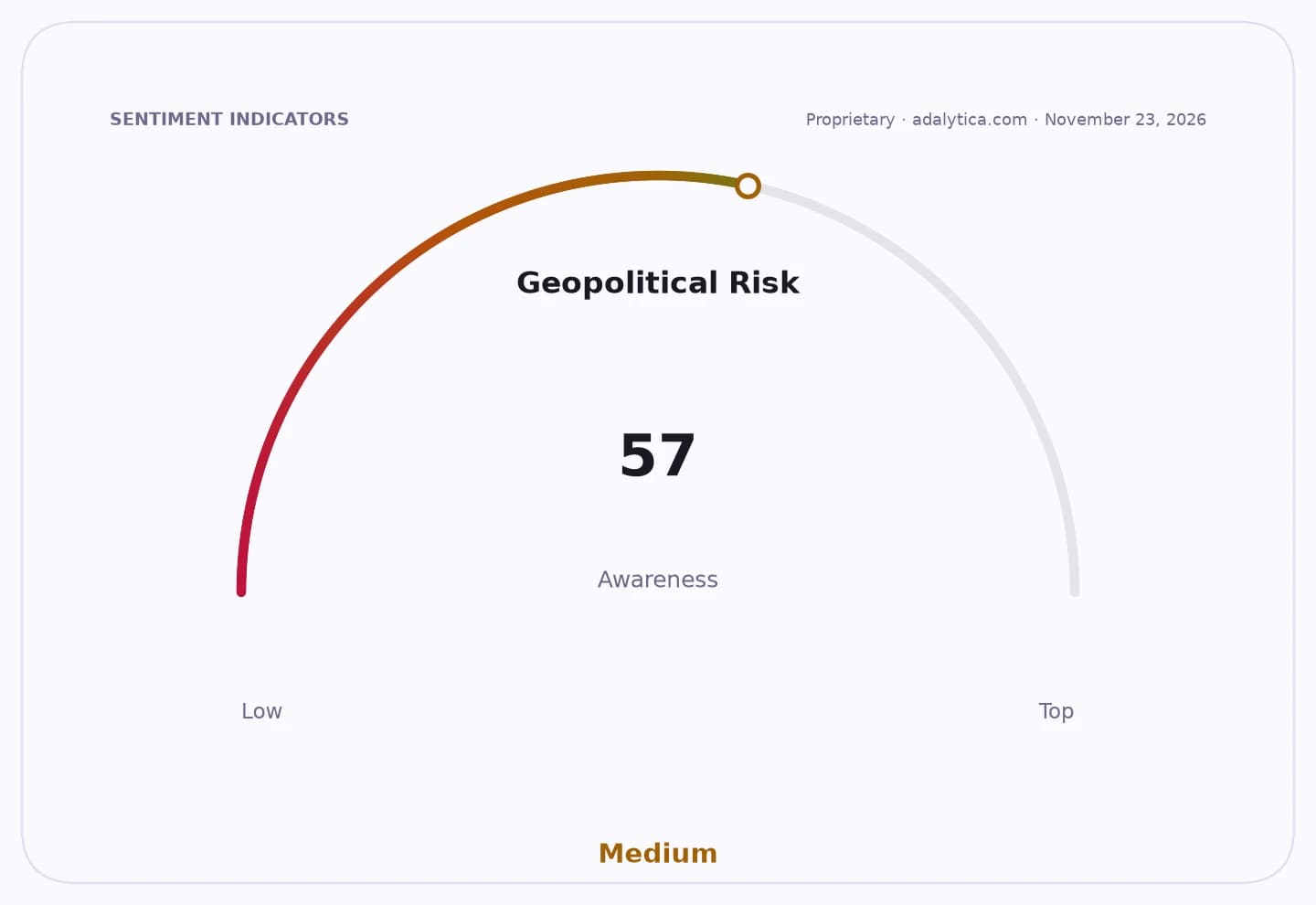
Sentiment Indicators
Geopolitical Risk
The market is already seeing what that looks like. Oil has been volatile, with Brent’s U.S. benchmark West Texas Intermediate jumping from about $85 a barrel in late September to nearly $110 in early October before easing back into the high $80s and low $90s this month. That kind of move is what happens when the Strait of Hormuz — the world’s most important oil chokepoint — becomes a live military risk. Romero says Iran’s ability to use cheap drones and missiles to impose “negative control” over a waterway is a sign of how asymmetric maritime conflict has become: a low-cost threat can still jam a globally important trade lane.
For investors, the implication is not simply higher volatility. It is a structural repricing of the logistics chain. Shipping companies, tanker operators, defense contractors and firms tied to maritime security all gain when risk premia rise, while heavily trade-dependent importers and exporters face a squeeze in transport costs and delivery reliability. The market’s response has been uneven, but the signals are there: New York-listed shipper Navios Maritime Partners has climbed to the low $80s from the low $60s earlier this year, even as technical indicators such as the 50-day moving average and RSI readings point to a cooling pace after a sharp run-up. ZIM Integrated Shipping has also held near $30 after a volatile year, suggesting investors are still pricing in disruption rather than complacency.
Geopolitical Risk — 30-day sentimentadalytica.com
Explore this data interactively — full history, time series and cross-market comparisons.
Geopolitical Risk
The deeper story is that the next flashpoints may be even more important than today’s headlines. Romero sees the South China Sea and the western Pacific as the central theater in the U.S.-China contest, with the Taiwan Strait carrying outsized significance because nearly 20% of global trade flows through it. A direct conflict there would be catastrophic for Japan, South Korea and China itself, which is why the more likely path is a long campaign of pressure, gray-zone tactics and strategic dependency rather than open war. That makes the risk slower-burning, but more investable: the world may not lurch into a single crisis, yet it is moving toward a permanent premium on resilience, rerouting capacity and military preparedness.
Europe is exposed, and that is part of the investment case. Romero says the continent remains too fragmented to act as an independent maritime power, leaving it strategically reliant on Washington. Spain, positioned between the Atlantic and the Mediterranean, has geographic advantage but not enough institutional weight on its own. That supports the case for greater European defense integration, port modernization, naval capability and dual-use infrastructure investment.
The market underestimates how quickly maritime security is becoming an economic theme. I believe the next leg of this trade favors shipping names with fleet leverage to tight routes, energy infrastructure with secure export access, and defense suppliers tied to sea denial, surveillance and drones. If tensions around Hormuz, Taiwan or the Red Sea intensify again, capital will rotate toward the companies that keep commerce moving when the oceans stop feeling free.
| Entity | Gains | Losses |
|---|---|---|
| Shipping firms | ▲Higher freight premia | ▼Route disruption risk |
| Oil producers | ▲Tighter supply pricing | ▼Export chokepoint risk |
| Defense contractors | ▲More naval spending | ▼Complacent legacy budgets |
| Importers/exporters | ▲None | ▼Higher logistics costs |