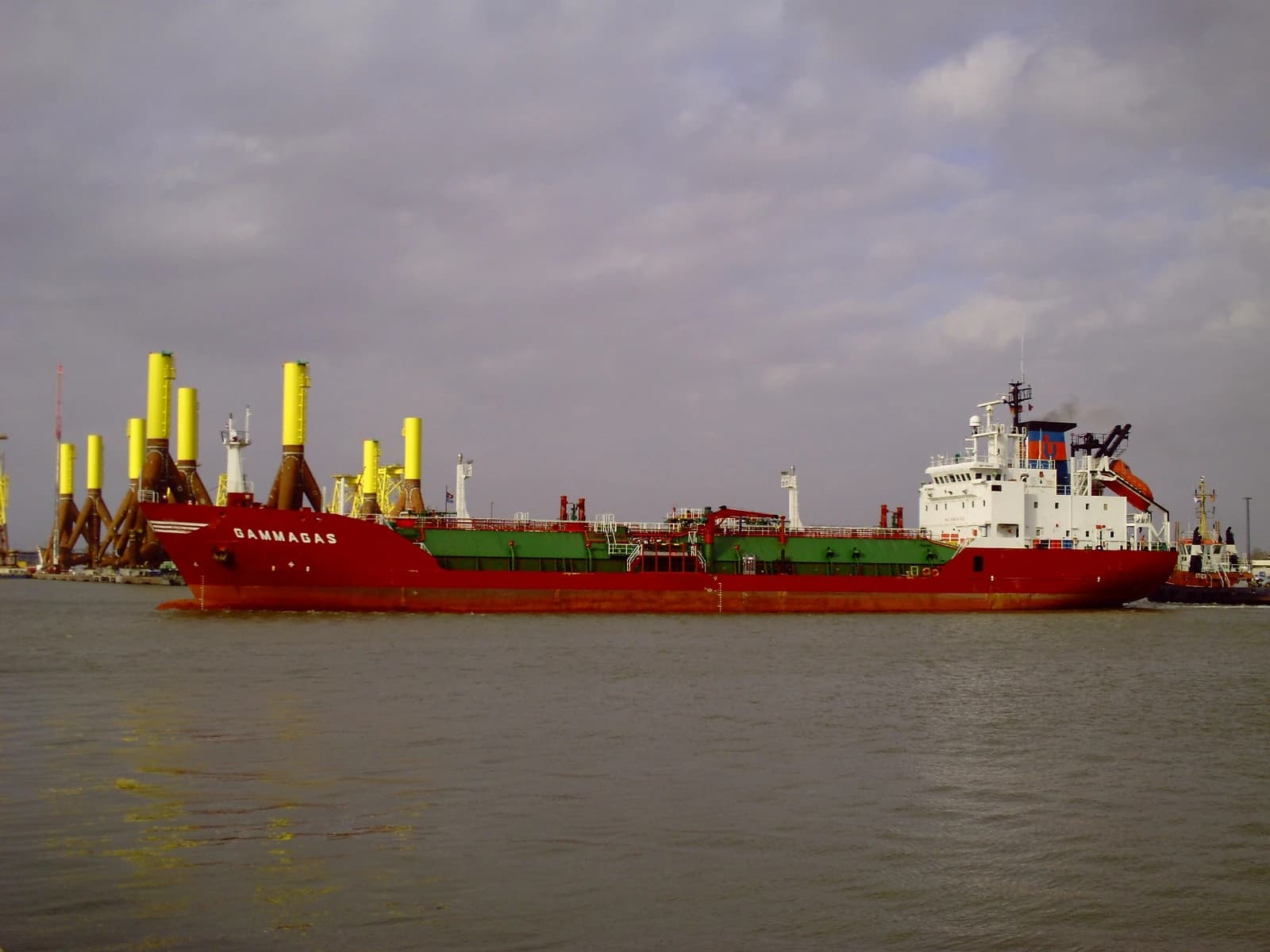
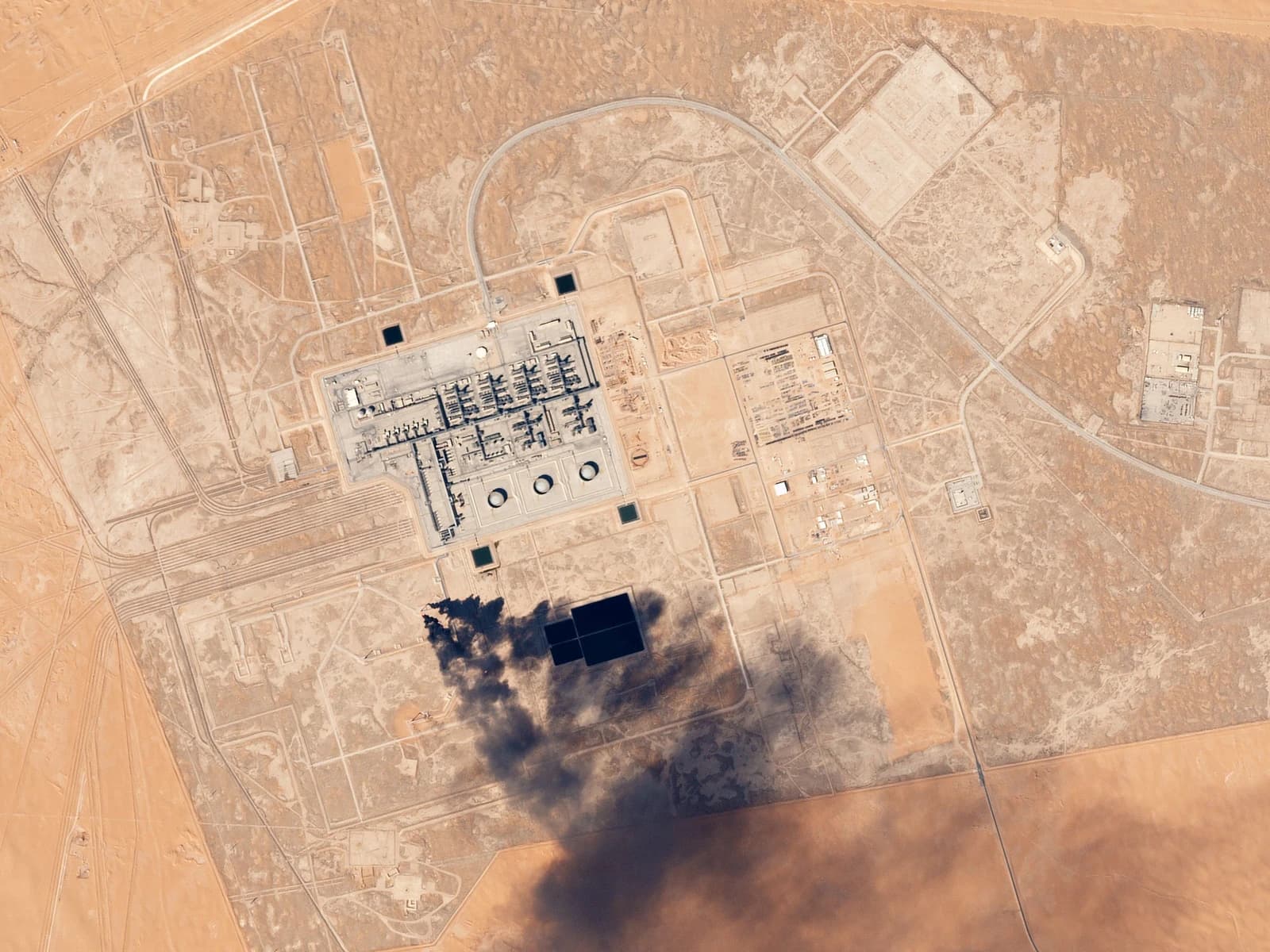
Two tankers were attacked in the Strait of Hormuz, including an oil tanker hit by an engine-room fire near Oman, raising the risk of a broader disruption in one of the world’s most important energy corridors just as India’s maritime minister is fronting the sector at an international summit.
Strait of Hormuz attacks raise tanker risk
The incidents mark another escalation in the Persian Gulf shipping lane after an ADNOC-linked vessel was attacked two days earlier, underscoring how quickly geopolitical flare-ups can turn into higher freight, insurance and security costs for owners and charterers moving crude and refined products through the region. The Strait of Hormuz handles a huge share of seaborne oil flows, so even limited attacks can force vessels to slow, reroute or demand higher war-risk premiums.
For shipowners, the immediate issue is not only physical safety but also profitability. Higher route risk can lift day rates for tankers, but it can also lengthen voyages, raise fuel consumption and increase the chance of off-hire or delay, all of which matter for revenue tied to vessel utilization and charter rates. The latest attacks are also likely to keep insurers and cargo interests on edge, with any sustained deterioration in security feeding through to shipping costs across the energy complex.
The market backdrop shows investors already leaning defensive. Adalytica’s S&P 500 trade signals show “Extreme Fear” on sentiment, while the U.S. dollar gauge also points to “Extreme Fear,” a mix that tends to favor hard-asset and freight-sensitive names while punishing risk appetite more broadly.
Publicly traded shipping names have been volatile into the new attacks. Navios Maritime Partners, ticker NMM, closed at $81.07 on Nov. 20, below its 50-day moving average of $89.25, after a run that had left it trading well above its 200-day average of $77.25 earlier in the year. Diana Shipping, ticker SHIP, ended at $13.85, just below its 200-day moving average of $14.96, while DryShips, ticker DAC, finished at $144.20, still far above its 200-day average of $132.78 but well under its 50-day average of $156.19.
The broader setup keeps maritime security near the top of the investment agenda as India and other trade-dependent economies try to protect supply chains and energy imports. Any follow-on attack, military response or tightening of security in the Gulf would likely hit tanker availability, insurance pricing and route economics before it shows up in end-demand data.
| Entity | Gains | Losses |
|---|---|---|
| Tanker owners | ▲Higher war-risk premiums | ▼Operational disruption |
| Oil exporters | ▲Tighter freight capacity | ▼Higher shipping costs |
| Cargo insurers | ▲Higher premium income | ▼Bigger claims risk |
| Importers and refiners | ▲None | ▼Delays, cost inflation |